Transform your home with the captivating ambiance of smart LED strips. This comprehensive guide delves into the world of accent lighting, providing a step-by-step approach to harnessing the power of these versatile lighting solutions. From choosing the right strips to designing stunning lighting schemes, we’ll explore every aspect of this exciting technology.
Discover the numerous benefits of smart LED strips, ranging from customizable colors and effects to seamless integration with your home’s existing systems. Learn how to effectively illuminate architectural features, artwork, and other key design elements, creating a truly personalized and sophisticated lighting experience.
Introduction to Smart LED Strips
Smart LED strips are a significant advancement in lighting technology, offering a dynamic and customizable alternative to traditional lighting solutions. These strips are essentially flexible circuits embedded with numerous tiny light-emitting diodes (LEDs). Their intelligence lies in the ability to be controlled and programmed via a variety of methods, enabling sophisticated lighting effects and automation. This intelligence distinguishes them from standard LED strips, which often require manual adjustments or pre-programmed settings.The key functionalities of smart LED strips extend far beyond simply providing illumination.
They offer the potential for dynamic ambiance creation, integrated automation, and energy efficiency. Their programmable nature enables intricate lighting sequences, color transitions, and even responses to environmental conditions or user commands. This opens up vast possibilities for innovative and personalized lighting designs, unlike the static output of traditional lighting.
Types of Smart LED Strips
Smart LED strips are available in various configurations, catering to different needs and preferences. Understanding these types is crucial for selecting the appropriate strip for a specific application.
- RGB LED Strips: These strips can display a wide spectrum of colors by combining red, green, and blue light. This flexibility allows for vibrant and dynamic lighting schemes, making them ideal for accent lighting, mood lighting, and artistic installations. Examples include dynamic color changes, animated patterns, and color-coded zones.
- RGBW LED Strips: Building upon the RGB capabilities, RGBW strips add a white light component. This expansion offers a broader range of light tones, enabling warmer or cooler white temperatures, along with the vibrant colors of RGB. They are useful for both accent and general illumination, allowing for greater control over the overall ambiance. For instance, warm white light during relaxation and bright white for focused work environments.
- RGBWW LED Strips: Expanding the color spectrum further, RGBWW strips introduce a second white light option. This dual white configuration allows for more precise control over white light temperature, offering even greater flexibility in creating varied and sophisticated lighting environments. These are often used in professional applications or where a highly detailed color palette is required.
Comparison of Smart LED Strip Types
The table below summarizes the key differences between various types of smart LED strips, highlighting their color options, control methods, and typical applications.
| Type | Color Options | Control Methods | Typical Applications |
|---|---|---|---|
| RGB | Red, Green, Blue combinations | Wireless (e.g., Bluetooth, Wi-Fi), wired (e.g., DMX) | Accent lighting, mood lighting, artistic installations |
| RGBW | Red, Green, Blue, White | Wireless (e.g., Bluetooth, Wi-Fi), wired (e.g., DMX) | Accent lighting, general illumination, creating ambiance |
| RGBWW | Red, Green, Blue, two white options | Wireless (e.g., Bluetooth, Wi-Fi), wired (e.g., DMX) | Professional applications, precise color control, advanced lighting designs |
Choosing the Right Smart LED Strips

Selecting the appropriate smart LED strips for accent lighting requires careful consideration of various factors. The desired ambiance, the specific application, and the budget all play crucial roles in the decision-making process. Understanding the diverse lighting effects and mounting options available is equally important. This section will guide you through the essential factors for selecting the ideal smart LED strips for your accent lighting needs.
Factors to Consider When Selecting Smart LED Strips
Several key factors influence the suitability of smart LED strips for accent lighting. These include the desired color temperature, the level of brightness required, and the compatibility with your existing smart home system. Power consumption and the overall cost of the strips are also crucial considerations. Furthermore, the physical characteristics, such as the strip’s length and the type of adhesive used, need careful consideration.
Lighting Effects Achievable with Smart LED Strips
Smart LED strips offer a wide range of lighting effects, enabling customization for various accent lighting applications. These include static colors, dynamic color changes, and gradual transitions. Furthermore, these strips can be programmed to create rhythmic patterns or synchronized effects with music or other external stimuli. Specific examples include vibrant color shifts for a party atmosphere, or soft, warm hues for a relaxing ambiance.
Mounting Options for Smart LED Strips
The appropriate mounting method significantly impacts the effectiveness of accent lighting. Different mounting options cater to various application needs. Adhesive tape, mounting clips, and specialized brackets are common choices. Adhesive tape is a convenient option for smooth surfaces, while mounting clips are suitable for installations where secure fastening is needed. Brackets provide versatility for diverse applications.
Consider the material and structure of the surface where the strips will be mounted, as this will dictate the appropriate mounting option.
Accent Lighting Applications Using Smart LED Strips
Smart LED strips can be used in a variety of accent lighting applications. Examples include highlighting architectural features in a home, creating ambient lighting in a kitchen or bathroom, or enhancing the visual appeal of a display case or artwork. Moreover, smart LED strips are increasingly used in commercial settings for enhancing store displays and creating unique ambiance.
Considerations for Smart LED Strip Selection
| Feature | Cost | Suitability for Specific Projects |
|---|---|---|
| Color Temperature Range (warm white to cool white) | Variable, depending on the specific features and brand | Consider the desired mood or ambiance for the space. Warm white is suitable for relaxing spaces, while cool white is better for tasks requiring high visibility. |
| Brightness Levels (adjustable) | Variable, depending on the specific features and brand | Adjusting brightness levels allows for fine-tuning of the accent lighting, ensuring the desired level of illumination is achieved. |
| Compatibility with Smart Home Systems | Variable, depending on the specific features and brand | Integration with smart home systems enables remote control and automation of lighting effects. |
| Power Consumption (low-power options) | Variable, depending on the specific features and brand | Low-power options are essential for minimizing energy costs and environmental impact. |
| Length and Cuttability | Variable, depending on the specific features and brand | The length and cuttability of the strips allow for customization and adaptation to specific installation requirements. |
| Mounting Options (adhesive, clips, brackets) | Variable, depending on the specific features and brand | Select mounting options based on the surface type and the desired level of security and adjustability. |
Controlling Smart LED Strips

Smart LED strips offer unparalleled flexibility in lighting design and control. This versatility stems from their ability to be managed through various methods, each with unique strengths and weaknesses. Understanding these control methods is crucial for optimizing the use of smart LED strips in any application.
Methods for Controlling Smart LED Strips
Smart LED strips can be controlled using a variety of methods, each offering a different experience and level of customization. These methods include smartphone applications, voice assistants, and remote controls. The choice of control method often depends on individual preferences and the specific needs of the lighting setup.
- Smartphone Applications: Smartphone apps are a prevalent and powerful method for controlling smart LED strips. They provide a comprehensive interface for controlling brightness, color, and effects. Many apps also offer scheduling capabilities, allowing users to pre-program lighting sequences and automate their operation.
- Voice Assistants: Voice assistants like Amazon Alexa and Google Assistant enable hands-free control of smart LED strips. Users can issue voice commands to adjust lighting settings, creating a seamless integration with existing smart home ecosystems. The voice assistant method is convenient for users who prefer hands-free interaction. However, complex or intricate lighting sequences may require more precise control via a smartphone app.
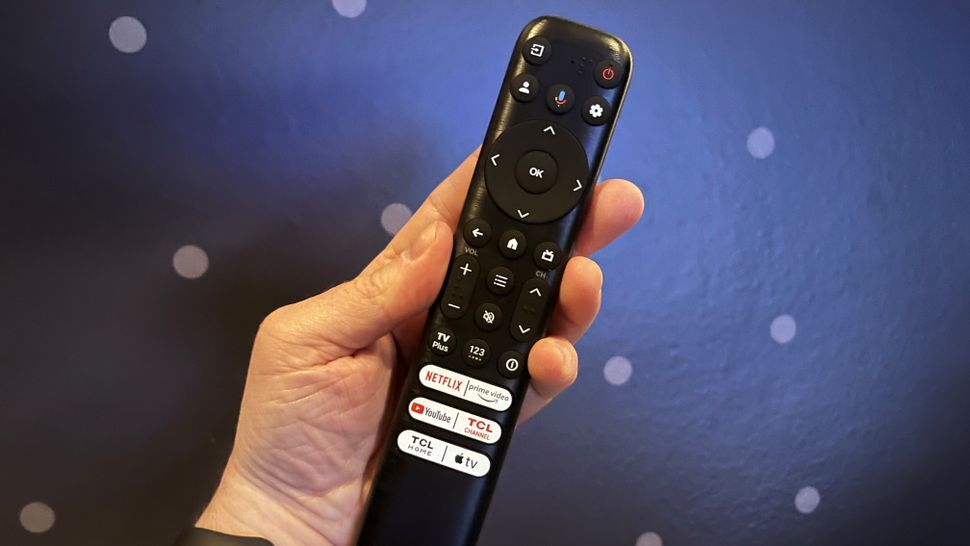
- Remote Controls: Remote controls, often small and portable, provide a simple and convenient way to control smart LED strips. They typically offer basic functions such as changing colors, adjusting brightness, and turning the strips on or off. This method is suitable for users who need basic control without the need for a smartphone or voice commands.
Control Method Differences and Advantages/Disadvantages
The choice of control method impacts the level of customization and user experience. Smartphone apps generally offer the most comprehensive control, while voice assistants provide hands-free convenience, and remote controls offer a basic, portable solution.
| Control Method | Advantages | Disadvantages |
|---|---|---|
| Smartphone Apps | Extensive customization (color, brightness, effects, scheduling), integration with other smart home devices | Requires a smartphone, potentially complex setup for advanced users |
| Voice Assistants | Hands-free control, seamless integration with smart home ecosystem | Limited control options, potential for misinterpretations of voice commands |
| Remote Controls | Simple, portable, and straightforward to use | Limited customization, basic functions only |
Setting Up and Controlling Smart LED Strips via Mobile App
Setting up and controlling smart LED strips using a mobile app typically involves these steps:
- Download and Install the App: Download the relevant app from the app store on your device.
- Connect the LED Strips: Ensure the LED strips are connected to the home Wi-Fi network and have been paired correctly with the app.
- Configure the App: Within the app, select the lighting strip and customize its settings according to the desired lighting effects and schedules.
- Test and Adjust: Verify that the strip responds correctly to the settings and make any necessary adjustments.
Features of Control Methods
Control methods often include advanced features. These features are often available through smartphone applications and some voice assistants, but not necessarily through remote controls.
- Dimming: Most control methods allow for adjusting the brightness of the LED strips. This is a fundamental feature for creating a range of lighting ambiances.
- Color Customization: Users can typically choose from a vast range of colors, or even create custom color palettes to achieve a specific aesthetic.
- Scheduling: Smart LED strips can be programmed to automatically turn on and off, change colors, or adjust brightness based on a predefined schedule. This feature enhances convenience and automation.
Smart LED Strip Control System Capabilities
A comprehensive smart LED strip control system can offer numerous functionalities:
- Adjusting brightness and color temperature.
- Creating dynamic lighting effects (e.g., fades, strobes).
- Integrating with other smart home devices for synchronized lighting.
- Setting up automated lighting schedules for different times of the day.
- Creating custom lighting scenes for various moods or occasions.
Designing Accent Lighting Schemes
Accent lighting, a crucial aspect of interior design, enhances specific elements within a room, drawing attention to architectural features, artwork, or decorative objects. Smart LED strips, with their programmable capabilities, offer unparalleled flexibility in creating dynamic and customized accent lighting schemes. This section delves into the principles of accent lighting design, showcasing creative examples, and outlining how to integrate smart LED strips seamlessly into existing lighting and décor.
Accent Lighting Design Principles
Effective accent lighting leverages several key principles. Understanding these principles allows for the creation of visually appealing and functional lighting solutions. These principles include: emphasizing focal points, balancing ambient and accent lighting, considering the color temperature and intensity of the lighting, and ensuring proper illumination for visibility and aesthetics.
Examples of Creative Accent Lighting Designs
Smart LED strips allow for a diverse range of creative accent lighting designs. One example is highlighting a gallery wall with strips positioned behind the artwork, creating a dramatic backlighting effect. Another example is utilizing strips to Artikel architectural features like stairs or fireplaces, adding depth and visual interest. Furthermore, strips can be integrated into furniture or cabinetry for an ambient glow.
Comparison of Accent Lighting Styles
| Lighting Style | Description | Application | Smart LED Strip Integration |
|---|---|---|---|
| Ambient | Provides overall illumination, creating a welcoming atmosphere. | General room lighting | Use as a soft, diffused background light, controlled by color temperature and intensity. |
| Task | Provides focused light for specific activities, such as reading or working. | Reading nooks, desks, or kitchen countertops | Position strips directly beneath work surfaces or alongside reading areas, allowing for adjustable brightness and color. |
| Decorative | Emphasizes specific decorative elements, such as artwork or sculptures. | Highlighting artwork, architectural details, or decorative objects | Strategically position strips behind or around focal points, allowing for color changes and dynamic effects. |
Integrating Smart LED Strips into Existing Décor
Successful integration of smart LED strips into existing décor hinges on careful planning and consideration of the surrounding environment. Match the color temperature and intensity of the strips with the existing color palette and lighting scheme of the room. Use the strips to complement, not clash with, existing furniture and wall colors. Pay attention to the direction and angle of the light to ensure that it effectively highlights the desired features.
Achieving Specific Lighting Effects
Smart LED strips enable a wide array of lighting effects. To create a mood, adjust the color temperature and intensity. For example, warmer colors like amber or peach can create a relaxing ambiance, while cooler colors like blue or green can promote alertness. To highlight artwork, use focused backlighting or strategic placement to draw attention to specific pieces.
To emphasize architectural features, use strips to Artikel or illuminate architectural details like staircases or fireplaces, creating a sense of depth and drama.
Installation and Setup
Installing smart LED strips effectively requires careful planning and adherence to safety protocols. Proper installation ensures optimal performance, longevity, and prevents potential hazards. This section details the various installation methods and essential safety precautions to consider.Successfully installing smart LED strips depends on selecting the right installation method for the specific application. Different scenarios, such as interior walls, ceilings, or furniture, necessitate tailored approaches.
This section Artikels the steps and considerations for each method.
Installation Methods
Various installation methods cater to diverse applications. Adhesive mounting is suitable for flat surfaces, while adhesive tape and mounting clips are convenient options for more complex setups. Consider the surface material and the desired aesthetic when selecting the appropriate method.
- Adhesive Mounting: This method is ideal for smooth, clean surfaces like walls and ceilings. Ensure the surface is free of dust, grease, and debris. Apply the adhesive backing to the LED strip and press firmly onto the desired location. Allow sufficient time for the adhesive to set before applying any additional weight or stress.
- Mounting Clips: These clips provide a secure and adjustable mounting solution. They are useful for mounting strips on various surfaces, including corners and irregular shapes. Follow the manufacturer’s instructions for proper clip placement and securement.
- Tape Mounting: Double-sided adhesive tape provides a versatile option for installation on various surfaces. Ensure the tape is compatible with the LED strip and the surface material. Carefully position the strip and press firmly to ensure a secure bond.
Safety Precautions
Working with electrical components necessitates adherence to safety protocols. Improper handling can lead to electrical shock or damage to the LED strips. Always disconnect the power supply before handling any electrical components.
- Electrical Safety: Always disconnect the power supply before handling the LED strip or connecting any wires. Ensure proper grounding of the power supply and use appropriate wire connectors.
- Surface Preparation: Clean the surface thoroughly to ensure a secure and reliable adhesive bond. Remove any dust, debris, or grease that could compromise the adhesive’s effectiveness.
- Overheating Prevention: Ensure adequate ventilation to prevent overheating. If the LED strip is to be placed in an enclosed space, verify sufficient airflow to prevent overheating and potential damage.
Tools and Materials
A well-stocked toolkit ensures a smooth and efficient installation process. The specific tools and materials required depend on the chosen installation method.
| Tool/Material | Description |
|---|---|
| LED Strip | The light source itself. |
| Adhesive Tape/Mounting Clips | Used for securing the strip to the surface. |
| Wire Cutters/Strippers | For cutting and stripping wires. |
| Power Supply | Provides power to the LED strip. |
| Control Unit | Manages the strip’s functionality. |
| Screwdriver | Used for assembling components. |
| Measuring Tape | For precise placement of the LED strip. |
Practical Tips
Following these tips enhances the installation process.
- Plan Ahead: Create a layout of the LED strip’s placement before starting the installation. This ensures optimal lighting and avoids unnecessary rework.
- Test Frequently: Test the LED strip’s functionality at each stage of the installation to identify and resolve any issues early on. This avoids problems arising later in the installation process.
- Double-Check Connections: Verify all connections are secure and properly made to prevent any electrical issues.
Troubleshooting and Maintenance
Maintaining the optimal performance and longevity of your smart LED strips requires a proactive approach to troubleshooting and regular maintenance. Addressing potential issues promptly can prevent more significant problems and ensure your accent lighting continues to enhance your space. Proper maintenance procedures will help ensure that your LED strips remain functional and aesthetically pleasing for many years to come.
Common Problems and Solutions
A variety of factors can contribute to issues with smart LED strips. These problems can range from simple connection errors to more complex communication issues. Identifying the source of the problem is crucial for effective resolution.
- Connectivity Issues: Problems with the connection between the LED strip controller, the power supply, and the smart home system can lead to a lack of responsiveness or erratic behavior. Ensure all connections are secure and properly wired according to the manufacturer’s instructions. Verify the power supply is providing sufficient voltage and current for the LED strips. Using a multimeter to check for proper voltage and current can help diagnose these issues.
- Incorrect Wiring: Incorrect wiring configurations can lead to malfunctioning or damaged components. Refer to the manufacturer’s instructions for the precise wiring diagram and ensure the correct polarity is observed. Incorrect connections can damage the LED strips or the controller.
- Communication Problems: Difficulties with communication between the LED strip and the smart home system can result in inconsistent or non-functional lighting. Verify that the smart home system is functioning correctly and that the LED strips are compatible with the chosen system. Check for interference from other electronic devices operating in the same frequency range. Consider using a dedicated Ethernet connection for a more stable signal if possible.
- Software Glitches: Software updates and compatibility issues can also lead to difficulties with controlling the smart LED strips. Consult the manufacturer’s website for available updates and ensure the compatibility of the software with your smart home system.
Maintenance Procedures
Regular maintenance helps prevent problems and ensures long-term functionality.
- Cleaning: Periodically clean the LED strips to remove dust and debris. Use a soft, lint-free cloth and a mild cleaning solution to avoid scratching or damaging the strips. Avoid using abrasive cleaners.
- Checking Connections: Regularly inspect all connections for any signs of damage or looseness. Ensure all connections are secure and correctly aligned. Inspect the power supply for any signs of overheating or damage.
- Software Updates: Keeping the software of the LED strips and the smart home system updated can resolve compatibility issues and improve performance. Check the manufacturer’s website for updates and instructions on how to install them.
Checking for Proper Functionality
Regularly checking for proper functionality can prevent minor problems from escalating.
- Visual Inspection: Visually inspect the LED strips for any signs of damage, such as burnt-out LEDs or discoloration. Check for any physical damage to the strips themselves or their connections.
- Testing with the App: Test the functionality of the LED strips using the accompanying smart home app. Ensure that all functions and colors are working as expected. Test different lighting modes and settings.
- Power Cycling: Power cycling the LED strips and the associated components can often resolve temporary connectivity or software glitches. Unplug the device, wait a few minutes, and then plug it back in.
Frequently Asked Questions (FAQ)
| Question | Answer |
|---|---|
| Why are my smart LED strips not responding to commands? | Check for connectivity issues, ensure correct wiring, and confirm the compatibility of the LED strips with the smart home system. Also, verify that the software is up-to-date. |
| How do I clean my smart LED strips? | Use a soft, lint-free cloth and a mild cleaning solution to avoid scratching or damaging the strips. |
| What should I do if my smart LED strips are flickering? | Inspect the connections for any damage or looseness. Verify the power supply is providing sufficient voltage and current. |
| My smart LED strips are not turning on. What’s the issue? | Check for any damage to the power supply or connections. Confirm the correct wiring configuration according to the manufacturer’s instructions. |
Advanced Applications and Features
Smart LED strips are no longer limited to simple accent lighting. Their integration with home automation systems and other smart home devices opens up a world of possibilities for enhanced control, convenience, and customization. This section explores these advanced features, potential applications, and future trends.Advanced smart LED strips often feature advanced functionalities that go beyond basic color changing.
These features enable dynamic lighting scenarios, seamless integration with home automation systems, and personalized lighting experiences. These expanded capabilities make smart LED strips a valuable asset in both residential and commercial environments.
Integration with Home Automation Systems
Smart LED strips can seamlessly integrate with various home automation platforms, allowing users to control their lighting through voice commands, smartphone apps, or even pre-programmed schedules. This integration enhances convenience and simplifies control. For instance, a user might activate a warm, inviting ambiance with a simple voice command when entering a room.
Examples of Integration with Other Smart Home Devices
Smart LED strips can interact with other smart home devices, creating sophisticated lighting scenarios. Imagine a scenario where the lights automatically dim when motion is detected, or adjust their color temperature based on the time of day or the ambient temperature. These dynamic interactions are achieved through programmable routines that connect the LED strips with other smart home components.
This interconnectedness leads to a more responsive and user-friendly smart home environment.
- Lighting with Smart Thermostats: A smart thermostat can adjust the color temperature of LED strips based on the room’s temperature. In a colder room, the lighting could shift to a warmer color to create a more comfortable atmosphere. This creates a more intelligent and adaptable living space.
- Automated Lighting with Smart Security Systems: Integration with smart security systems allows LED strips to react to security events. For example, the lights might flash a warning color if a motion sensor is triggered, enhancing home security measures.
- Ambient Lighting Based on Smart Assistants: Voice commands to smart assistants can initiate lighting sequences, creating unique moods and experiences. For instance, a specific lighting sequence could be activated for movie nights, parties, or just relaxing evenings. This creates a flexible and responsive smart home environment.
Future Trends in Smart LED Strip Technology
Future developments in smart LED strip technology will likely focus on increased energy efficiency, improved color accuracy, and even more sophisticated integration with various platforms. Expect advancements in color-changing capabilities, offering even more nuanced and customizable lighting options.
Advantages and Disadvantages in Specific Scenarios
| Scenario | Advantages | Disadvantages |
|---|---|---|
| Residential | Personalized lighting, enhanced ambiance, automated routines, energy efficiency, and cost-effectiveness in some cases. | Potentially higher initial investment for advanced features, reliance on compatible home automation systems. |
| Commercial | Dynamic branding opportunities, enhanced customer experience, improved operational efficiency (e.g., adjusting lighting based on occupancy), and potentially higher ROI in some applications. | More complex installation and setup compared to residential applications, potential security concerns with public access, and higher cost compared to basic lighting. |
| Industrial | Enhanced visibility, increased safety measures (e.g., highlighting pathways), remote control of lighting in large spaces, and improved operational efficiency in some situations. | Cost of implementation, potentially high energy consumption in certain applications, need for advanced infrastructure for control, and specialized installation requirements. |
Smart Home Integration Possibilities
The table below illustrates the vast possibilities of integrating smart LED strips with other smart home devices.
| Smart Home Device | Integration Example |
|---|---|
| Smart Thermostat | Adjusting color temperature based on room temperature |
| Smart Security System | Flashing lights to signal security breaches |
| Smart Speakers | Activating lighting scenes with voice commands |
| Smart Lighting Control System | Controlling multiple zones of LED strips with a single app |
| Smart Blinds | Adjusting light levels based on natural light conditions |
Wrap-Up

In conclusion, mastering smart LED strips for accent lighting unlocks a world of creative possibilities. This guide has provided a thorough understanding of the selection process, control methods, design principles, and installation procedures. By following these steps, you can confidently transform your space with stunning, personalized lighting solutions. Remember to prioritize safety and proper installation for optimal results.