A well-organized kitchen is a happy kitchen! This comprehensive guide will walk you through the process of transforming your kitchen into a functional and aesthetically pleasing space using smart labels. From choosing the right labels to designing a customized system, we’ll cover everything you need to know to maximize efficiency and minimize stress.
Imagine effortlessly finding ingredients, utensils, and even expiration dates. Smart labels, with their diverse applications and functionalities, can significantly enhance your kitchen organization, streamlining tasks and promoting a more enjoyable cooking experience.
Introduction to Kitchen Organization
A well-organized kitchen is more than just aesthetically pleasing; it significantly impacts daily efficiency and overall enjoyment of cooking. Smart labels play a crucial role in this process, allowing for quick identification of items and a streamlined workflow. By implementing a systematic approach to organization, homeowners can reduce stress, save time, and create a more functional and enjoyable culinary space.A well-organized kitchen is characterized by clear pathways, accessible storage solutions, and a logical placement of frequently used items.
This not only reduces wasted time searching for ingredients but also minimizes the risk of injuries associated with cluttered environments. Furthermore, a well-organized kitchen fosters a sense of calm and control in the home, which can positively influence the overall mood and well-being of the household.
Key Aspects of a Well-Organized Kitchen
A well-organized kitchen prioritizes both functionality and accessibility. Efficient storage solutions, strategic placement of items, and a systematic approach are essential elements. This systematic approach includes categorizing items, establishing a clear flow for tasks, and minimizing unnecessary movement.
Approaches to Kitchen Organization
Several approaches exist for organizing a kitchen. One popular approach involves grouping items by category, such as pantry staples, cooking ingredients, and utensils. Another method focuses on maximizing vertical space with shelves, drawers, and cabinets designed for specific storage needs. A third method emphasizes a “one-touch” system where frequently used items are within easy reach, minimizing the need for extensive searching.
The Role of Labels in Kitchen Organization
Labels play a critical role in enhancing kitchen organization. They provide instant visual cues for identifying ingredients, tools, and storage containers. Clear and concise labels reduce guesswork and wasted time, allowing for a more streamlined workflow. Consistent labeling systems further enhance efficiency and maintain order over time.
Types of Smart Labels and Their Application
Smart labels encompass a variety of formats designed for different applications. Permanent adhesive labels are ideal for identifying items within cabinets or on pantry shelves. Reusable stickers can be used for frequently moved items, offering the advantage of repositioning without compromising the labeling. Digital labels, when integrated with a smartphone application, offer an advanced method for managing inventory and tracking expiration dates.
Each type offers unique advantages, allowing homeowners to choose the best option for their specific needs and organizational style. For example, permanent labels are excellent for consistently identifying items in cabinets, while reusable stickers are practical for labeling items that frequently move, such as jars of spices. Digital labels, integrated with apps, are valuable for inventory management and expiration tracking.
Choosing the Right Smart Labels
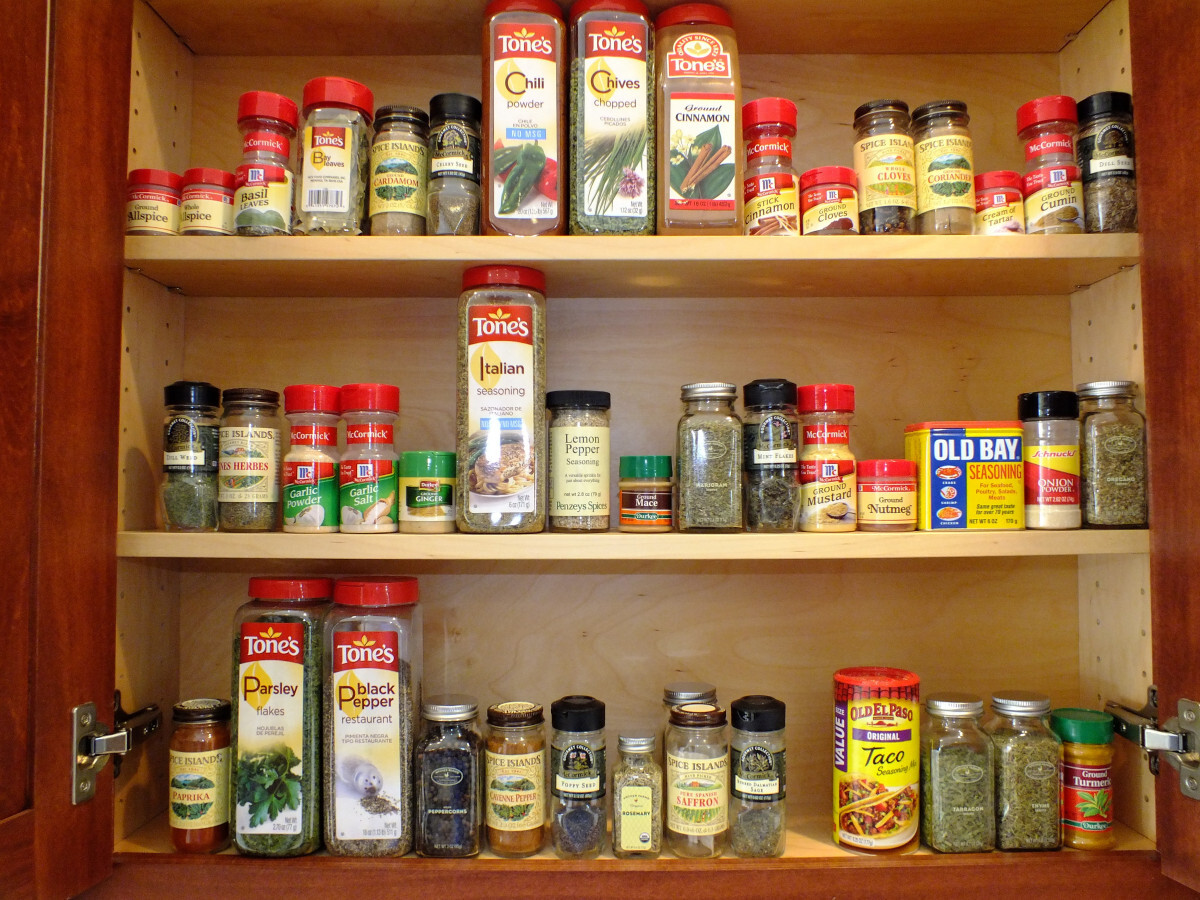
Selecting the appropriate smart labels is crucial for a successful kitchen organization system. The right labels will enhance visibility, promote efficiency, and ensure long-term usability, making your kitchen a more functional and enjoyable space. Choosing the correct size, shape, and material for your specific needs will optimize your storage solutions.Careful consideration of various label types, materials, and sizes is paramount to maximizing their effectiveness in the kitchen environment.
Understanding the features and benefits of each option, coupled with a practical assessment of your kitchen layout, will lead to a personalized and streamlined organization strategy.
Different Types of Smart Labels
Various types of smart labels cater to different kitchen needs. Each type offers unique features and benefits, impacting the overall organization strategy. Magnetic labels, for instance, are ideal for refrigerators and metal cabinets, providing a strong hold and clear visibility. Self-adhesive labels, another common choice, offer versatility and are suitable for a wide range of surfaces. Waterproof labels are particularly useful for areas exposed to moisture, like the inside of pantries or dishwashers.
Smart Label Materials
The material of a smart label directly impacts its durability, visibility, and ease of use. Durable vinyl labels are resistant to scratches and tears, maintaining clarity over time. For high-moisture environments, waterproof or moisture-resistant labels are essential. Paper labels, while often less expensive, might not withstand repeated exposure to moisture or high temperatures. The material choice should align with the specific conditions within your kitchen.
Label Size and Shape
Label size and shape should be tailored to the specific item being labeled. Small, compact labels are ideal for condiments or spices, ensuring minimal space is occupied. Larger labels are more suitable for larger appliances or containers, allowing for clear identification. Consider the font size and label shape when selecting, as these factors significantly impact readability and overall aesthetics.
Labels that are easily legible are crucial for quick identification.
Label Selection Based on Intended Use
Choosing the right label depends on the intended use and the layout of your kitchen. For frequently accessed items, larger, highly visible labels are recommended. For less frequently used items, smaller, less prominent labels can suffice. Consider the overall aesthetic of your kitchen and the types of surfaces to be labeled. A uniform labeling style will enhance the visual appeal of your organized space.
Examples of Smart Labels for Kitchen Tasks
Smart labels are applicable to a wide range of kitchen tasks. For instance, labels for pantry items clearly indicate contents and quantities. In the refrigerator, labels identify the contents of different containers and the dates of their placement. Labels on drawers and cabinets can categorize and organize items within, creating a clear and efficient workflow.
Comparison Table of Different Label Types
| Label Type | Material | Durability | Price | Ease of Use |
|---|---|---|---|---|
| Magnetic | Metal/Plastic | High | Moderate | Easy |
| Self-adhesive Vinyl | Vinyl | High | Low to Moderate | Very Easy |
| Waterproof | Waterproof Vinyl/Plastic | High | Moderate | Easy |
| Paper | Paper | Low | Low | Easy |
Labeling Strategies for Different Kitchen Areas
Effective labeling in your kitchen is key to maximizing efficiency and minimizing wasted time searching for ingredients or utensils. A well-organized kitchen with clear labeling encourages a smooth workflow, making meal preparation more enjoyable and less stressful. Consistent labeling systems also promote better food safety practices.Proper labeling strategies not only streamline daily tasks but also contribute to the overall aesthetic appeal of your kitchen.
A visually organized space fosters a sense of calm and order, enhancing the overall cooking experience.
Pantry Labeling Strategies
Careful labeling in the pantry helps maintain order and prevents confusion when selecting ingredients. Labeling all dry goods, from grains and legumes to spices and baking supplies, is essential for efficient retrieval and accurate recipe following.
- Categorization: Group similar items together (e.g., all grains in one section, all spices in another). This allows for quick visual identification and aids in maintaining an organized layout.
- Alphabetical Order: Within each category, arrange items alphabetically for easy scanning and location. This is particularly useful for spices and dried goods.
- Quantity and Use-By Dates: Include the quantity of the item and its expiration date. This is critical for minimizing food waste and ensuring the freshness of stored goods.
Refrigerator Labeling Strategies
The refrigerator is a hub for perishable items. Clear labeling systems are vital to maintain freshness and prevent spoilage.
- Perishable Item Labeling: Use clear, waterproof labels for perishable items. These labels should include the item’s name and the date it was added to the refrigerator.
- Expiration Dates: For perishable items, prominently display the expiration date. Using a color-coded system for different expiration timeframes can aid in quick identification of items needing immediate consumption.
- Storage Containers: Label containers clearly with the contents and the date added. This is especially helpful for leftovers and prepared meals.
Spice Rack Labeling Strategies
A well-organized spice rack improves the accuracy and consistency of flavor profiles in recipes. Consistent labeling ensures you use the correct spice for a given dish.
- Alphabetical Order: Arranging spices alphabetically allows for rapid retrieval and minimizes the time spent searching for the desired spice.
- Visual Cues: Use color-coded labels or stickers for spices with similar characteristics (e.g., red for chili powders, yellow for turmeric). This visual cue improves speed and accuracy in selecting spices.
- Spice Type: Indicate the type of spice, for example, “Ground Cinnamon” or “Whole Cumin.” This helps avoid confusion with similar-sounding names.
Drawer Labeling Strategies
Labeling kitchen drawers enhances efficiency by ensuring quick access to utensils and small appliances.
- Utensil Categorization: Categorize utensils by type (e.g., knives, spoons, spatulas). This helps keep utensils organized and readily available when needed.
- Utensil Function: Clearly label drawers containing utensils with their intended use, such as “Baking Utensils,” “Serving Utensils,” or “Mixing Utensils.” This aids in preventing the accidental mixing of items.
- Consistent Placement: Maintaining a consistent placement for frequently used utensils within the drawers enhances speed and accessibility.
Labeling Strategies for Frequently Used Items
Labeling frequently used items helps to ensure they are readily available and in the right location.
- High-Frequency Placement: Position frequently used items within easy reach, ensuring that they are quickly accessible.
- Dedicated Zones: Designate specific areas for frequently used items. This helps streamline the process of finding what you need.
- Clear Labels: Use large, bold labels for frequently used items. This helps to ensure that these items are readily identifiable, even from a distance.
Labeling Perishable Items and Expiration Dates
Proper labeling of perishable items with their expiration dates is crucial for food safety and waste reduction.
- Specific Dates: Clearly label each item with the date it was added or the use-by date.
- Color-Coding: Employ a color-coding system to distinguish items nearing their expiration date, which helps in quick identification.
- First-In, First-Out (FIFO): Follow the FIFO principle, ensuring that items with earlier expiration dates are used first.
Ingredient and Utensil Labeling System
A consistent labeling system for ingredients and utensils promotes accuracy and efficiency in the kitchen.
- Consistency: Maintain consistency in the labeling system for all items, ensuring that the labels are clear and easily readable.
- Standardized Formats: Use standardized formats for labels, such as a specific font or label size, to ensure uniformity.
- Clarity: Ensure labels are clear and concise to avoid any confusion or misinterpretations.
Best Labeling Strategies for Different Kitchen Areas
| Kitchen Area | Labeling Strategy |
|---|---|
| Pantry | Categorize, alphabetize, include quantity and use-by dates |
| Refrigerator | Use clear waterproof labels, include date added and expiration dates, label containers |
| Spice Rack | Alphabetical order, color-coding for similar spices, indicate spice type |
| Drawers | Categorize by utensil type or function, maintain consistent placement |
| Frequently Used Items | High-frequency placement, dedicated zones, clear, bold labels |
| Perishables | Specific dates, color-coding for expiration, FIFO principle |
| Ingredients & Utensils | Consistency in labeling system, standardized formats, clear and concise labels |
Designing Your Labeling System
A well-designed labeling system is the cornerstone of a smoothly functioning kitchen. Clear, consistent labels not only enhance organization but also save time and reduce frustration when searching for specific items. A well-structured system promotes efficiency, making daily tasks easier and more enjoyable.A thoughtfully crafted labeling system is not a one-size-fits-all solution. It needs to be tailored to your specific kitchen layout, storage preferences, and the types of items you frequently use.
Creating a customized system empowers you to take control of your kitchen’s organization, ensuring that everything has its designated place. This, in turn, fosters a more productive and pleasant culinary experience.
Significance of a Clear and Consistent Labeling System
A clear and consistent labeling system is crucial for several reasons. It minimizes wasted time spent searching for items, ensuring that everyone in the household can quickly locate what they need. This streamlines tasks, making meal preparation and cleanup more efficient. Consistent labels also reduce errors and misplacement, leading to a more organized and functional kitchen. Furthermore, a well-defined system fosters a sense of order and control, contributing to a more enjoyable and stress-free culinary environment.
Creating a Customized Labeling System
To create a customized labeling system, consider your kitchen’s unique layout and storage solutions. Analyze the frequently used items and their locations. Think about how you and your household members typically interact with the kitchen. Understanding these nuances will enable the creation of a system that is truly effective for your needs. This method of personalized system design ensures the labeling scheme will be readily usable and efficient.
Importance of Color-Coding
Implementing a color-coding system can significantly enhance organization. Different colors can represent different categories of items, such as pantry items, spices, or cooking utensils. This visual cue helps to quickly identify and locate items, significantly improving efficiency. For example, using red for spices, blue for baking supplies, and green for canned goods creates a quick and intuitive system for locating items.
The visual distinction simplifies navigation within the kitchen.
Categorizing Items for Efficient Labeling
Categorizing items before labeling is vital for a streamlined system. Group similar items together based on their function, type, or storage location. For instance, all spices can be grouped together, all cooking utensils in a specific area, and all baking supplies in another. This organized approach ensures that labels are clear, concise, and easily understandable. It avoids unnecessary clutter and promotes easy identification of items.
Flowchart for Designing a Kitchen Labeling System
| Step | Action |
|---|---|
| 1 | Assess your kitchen layout and storage. |
| 2 | Identify frequently used items and their locations. |
| 3 | Categorize items based on type, function, or location. |
| 4 | Choose a color-coding system for different categories. |
| 5 | Develop a consistent labeling format (e.g., font, size, color). |
| 6 | Label all items using the chosen system. |
| 7 | Review and refine the system as needed. |
Template for Labeling Kitchen Items
| Item Category | Example Items | Label Format |
|---|---|---|
| Pantry Items | Flour, sugar, rice | Category: Pantry Items Item: Flour Quantity: 5 lbs |
| Spices | Salt, pepper, paprika | Category: Spices Item: Paprika Date of purchase: 2024-05-10 |
| Cooking Utensils | Spoons, forks, knives | Category: Cooking Utensils Item: Spoons Material: Stainless Steel |
Implementing and Maintaining Your System

Implementing a robust kitchen organization system with smart labels requires a phased approach. Thorough planning, meticulous execution, and consistent maintenance are key to long-term success. This phase focuses on effectively applying the chosen system and ensuring its longevity. A well-maintained labeling system will enhance efficiency and save time, leading to a more enjoyable and productive kitchen experience.A meticulously designed and implemented labeling system can significantly improve kitchen efficiency and productivity.
Proper implementation and ongoing maintenance ensure the system remains functional and effective, preventing frustration and wasted time. This phase provides practical strategies for achieving these goals.
Effective Implementation Strategies
A well-structured implementation plan ensures a smooth transition and maximizes the benefits of the new system. Start by allocating sufficient time for the process. A well-planned implementation reduces the chance of errors and ensures the system is utilized efficiently. Break down the tasks into smaller, manageable steps, making the entire process less daunting.
Label Attachment Procedures
Correctly attaching labels is crucial for readability and longevity. For durable, long-lasting labels, use a strong adhesive that adheres well to various surfaces without leaving residue. Ensure the label is centered and aligned correctly for optimal visibility. Test the adhesive in an inconspicuous area before applying to critical items.
Maintaining Label Readability
Keeping labels clean and readable is essential for maintaining the system’s effectiveness. Regular cleaning with mild dish soap and water can help maintain clarity. Use a soft cloth or sponge to avoid scratching the surface or damaging the labels. Protect labels from moisture and direct sunlight as much as possible. Use appropriate covers or containers to protect labels from moisture damage.
Potential Issues and Solutions
During implementation, some issues may arise. For instance, labels might become detached or smeared due to moisture or improper adhesion. In such cases, carefully remove the old label and apply a fresh one, ensuring proper adhesion. If labels become unreadable due to wear and tear, consider replacing them with new ones. If labels become difficult to read due to environmental factors, use a label protector or cover to safeguard them from the elements.
Regular System Review and Adjustments
Regularly reviewing and adjusting the labeling system is crucial for maintaining its effectiveness. Regularly assess how well the system works and if any adjustments are necessary. This involves checking if the labels are still visible and easy to read, and if the categories still accurately reflect the needs of the kitchen. Note any areas where the system is not functioning as intended.
Document the changes for future reference.
Maintenance Routines
A well-maintained system requires consistent effort. A routine checklist is essential to ensure the system’s long-term functionality. For example, periodically inspect all labels to ensure they remain readable and attached securely. Regularly clean and sanitize areas where labels are applied. Update the labeling system as needed, adding new items or adjusting categories to maintain its relevance.
Consider using a designated day or time for maintaining the labeling system to integrate it into your weekly schedule.
Step-by-Step Maintenance Guide
- Initial Assessment: Thoroughly inspect all labels for readability and attachment. Note any issues.
- Cleaning: Use a soft cloth and mild dish soap to clean surfaces where labels are applied. Avoid harsh chemicals that may damage the labels.
- Label Inspection: Carefully examine each label to ensure it’s intact and legible. Replace any damaged or unreadable labels.
- System Review: Assess the effectiveness of the system and identify areas for improvement. Adjust categories as needed to maintain accuracy.
- Documentation: Document any adjustments or changes made to the system for future reference.
Specific Examples and Applications

Smart labels offer a powerful tool for enhancing kitchen organization, efficiency, and safety. By incorporating these labels into your existing systems, you can streamline tasks like meal planning, inventory management, and food safety protocols. This section provides practical examples of how smart labels can be implemented in diverse kitchen scenarios, highlighting their effectiveness and potential for optimizing your culinary space.
Smart Label Usage in Meal Planning
Meal planning becomes significantly easier with smart labels. Visual cues and readily available information can streamline the process, preventing food waste and ensuring balanced meals. For instance, labeling ingredients with their expiration dates, storage requirements, and intended use in a meal plan can help prevent wasted food and ensure that you utilize ingredients efficiently. Detailed labeling can help avoid duplicate purchases and ensure a comprehensive meal plan is followed.
Smart Label Usage in Inventory Management
Smart labels provide a simple and effective way to track inventory. By labeling each item with its quantity, expiration date, and purchase date, you can maintain a precise record of your pantry and refrigerator contents. This data allows for easy identification of items needing replenishment, and prevents overstocking or forgetting about older items. This information can also be crucial in calculating and tracking nutritional intake for individual members.
Smart Label Usage for Food Safety
Implementing smart labels for food safety involves labeling items with their specific preparation and storage requirements. This ensures proper handling and storage, reducing the risk of foodborne illnesses. Clear labeling of items like raw poultry or seafood with instructions on their handling and cooking temperatures is essential. This approach contributes to a safer kitchen environment, preventing contamination and cross-contamination issues.
Integration with Existing Kitchen Organization Systems
Smart labels can be seamlessly integrated with existing kitchen organization systems. For instance, if you already use a specific color-coding system for different food categories, smart labels can be designed to complement this existing structure. Labels can be tailored to your current organization system, ensuring minimal disruption to your workflow.
Table of Kitchen Scenarios and Labeling Strategies
| Kitchen Scenario | Labeling Strategy |
|---|---|
| Pantry Organization | Label each container with the contents, quantity, and expiration date. Use color-coding for different food groups (e.g., red for canned goods, green for produce). |
| Refrigerator Management | Label each container with the contents, date of purchase, and estimated use-by date. Use a system to track the order of items based on their storage requirements (e.g., dairy products on top shelf). |
| Freezer Organization | Label each container with the contents, date of freezing, and suggested usage. Consider using a system for quick identification of the food type and date of freezing. |
| Spice Rack Management | Label each spice jar with the spice name, quantity, and expiration date. Consider using a system to arrange spices alphabetically or by common use. |
Advanced Techniques and Tips

Optimizing kitchen organization extends beyond basic labeling. Advanced techniques leverage labels to streamline workflows, reduce waste, and cater to specific needs, creating a more efficient and personalized culinary space. By incorporating innovative labeling strategies and applying them to various storage solutions, homeowners can significantly enhance their kitchen’s functionality.Implementing advanced labeling methods can transform a kitchen from a place of potential chaos to a well-organized haven.
This section delves into innovative techniques, providing practical strategies for maximizing your kitchen’s storage capacity and minimizing food waste.
Optimizing Kitchen Organization with Advanced Labeling
Advanced techniques for kitchen organization go beyond simple labeling. They involve creating a comprehensive system that anticipates future needs and adapts to evolving culinary preferences. Effective organization ensures smooth workflow, minimizing stress and maximizing efficiency in the kitchen.
Innovative Labeling Methods for Storage Solutions
Different storage solutions require tailored labeling approaches. This section highlights innovative labeling methods for various storage options, maximizing space utilization and improving accessibility.
- Spice Rack Organization: Beyond simply labeling spice jars, consider using color-coded labels for families of spices (e.g., warm spices, cool spices) or creating a dedicated labeling system for frequently used spices, organizing them by usage frequency rather than alphabetically. This allows for quicker retrieval and reduces the time spent searching for specific spices.
- Pantry Organization: Use labels to categorize pantry items not only by type (e.g., pasta, rice, grains) but also by usage frequency. This can involve using different label colors or sizes to denote high-use versus low-use items, optimizing the space and minimizing time spent searching.
- Refrigerator Organization: In addition to labeling food items, consider using labels to track the freshness of items. For example, a simple “3/1/24” label placed on a container of yogurt indicates the date it should be consumed by. This aids in reducing food waste and promotes responsible consumption.
Reducing Food Waste with Strategic Labeling
Effective labeling plays a crucial role in minimizing food waste. By implementing systematic labeling, homeowners can track expiration dates, promoting conscious consumption and minimizing unnecessary food disposal.
- Expiration Date Tracking: Utilize a consistent labeling system for expiration dates. This involves clearly labeling containers with the date of purchase and the estimated date of consumption. This ensures you use up items before they spoil, reducing food waste and saving money.
- First-In, First-Out (FIFO): Use labels to track the order of food items’ entry into the storage space. This strategy, commonly used in businesses, can be replicated at home to ensure older items are used before newer ones, preventing spoilage and maximizing the life of perishable goods.
Labeling for Dietary Needs and Allergies
Labeling strategies can effectively address specific dietary requirements or allergies. Clear and informative labeling helps to avoid accidental consumption of inappropriate foods, ensuring the safety and well-being of individuals with specific dietary needs.
- Allergen Labeling: Clearly label items containing common allergens (e.g., peanuts, dairy, gluten) using distinct labels or symbols to prevent cross-contamination or accidental consumption.
- Dietary Restrictions: Implement a labeling system for different dietary needs, such as vegan, vegetarian, or ketogenic diets. This allows for easy identification and avoidance of items that may not be suitable for specific dietary restrictions.
Tracking Recipes with Labels
Labels can serve as a valuable tool for tracking and organizing cooking and baking recipes. By labeling containers or recipe cards, homeowners can improve recipe retrieval and organization.
- Recipe Organization: Label recipe cards or containers with clear and concise titles, enabling quick retrieval and reference.
- Recipe Ingredient Tracking: Create a labeling system that helps to track the quantities and types of ingredients used in each recipe. This will allow for better organization and ease of preparation when replicating the recipe.
Advanced Techniques Table
| Storage Solution | Advanced Technique |
|---|---|
| Spice Rack | Color-code spices by family, or by frequency of use |
| Pantry | Categorize by type and frequency of use, use different label sizes/colors |
| Refrigerator | Track freshness using labels with dates, use color-coding for different food types |
| Freezer | Label with clear contents and dates, utilize a color-coded system for different types of frozen goods |
| Baking/Cooking Supplies | Label tools, ingredients, and utensils for easy identification and quick access |
Ending Remarks
In conclusion, this guide has equipped you with the knowledge and strategies to effectively organize your kitchen with smart labels. By implementing a well-designed system, you’ll not only improve your kitchen’s functionality but also create a more efficient and enjoyable culinary environment. Remember, consistency and regular maintenance are key to long-term success.