The convergence of smart cars and smart homes is revolutionizing how we interact with our daily lives. This comprehensive guide explores the intricate process of seamlessly integrating these technologies, outlining the benefits, protocols, and practical applications of this evolving landscape. From establishing secure connections to automating routines, we’ll delve into the multifaceted aspects of smart car-smart home integration.
This guide will walk you through the key steps, including setting up connections, understanding security protocols, and creating automated routines that enhance your convenience and comfort. Real-world examples and case studies will illustrate how these integrations are enhancing user experiences and streamlining everyday tasks.
Introduction to Smart Car-Smart Home Integration
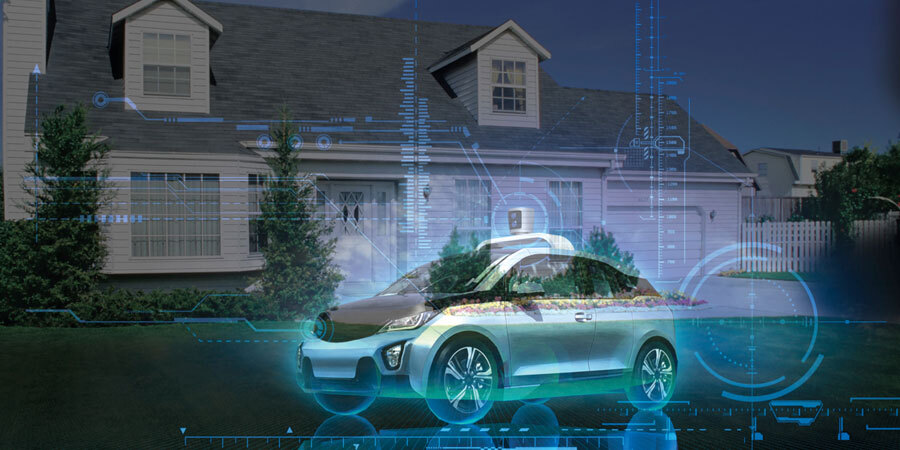
Smart car-smart home integration is a rapidly evolving field that promises to revolutionize how we interact with our vehicles and homes. This integration allows for seamless communication and control between the two systems, offering enhanced convenience, security, and potentially, greater energy efficiency. Imagine effortlessly adjusting your home’s thermostat from your car’s infotainment system or receiving a notification on your smart home display when your car’s parked in a low-security area.
This concept is increasingly practical with the advancement of interconnected technologies.The potential benefits of integrating smart cars and smart homes are significant. Users can remotely control home appliances, manage security systems, and receive alerts about their home while on the go. This interconnectedness can lead to improved safety, convenience, and potentially even cost savings through automated energy management.
Moreover, this integration fosters a more intelligent and responsive living environment, enhancing the overall user experience.
Overview of Smart Car-Smart Home Communication
Smart cars and smart homes communicate through various channels, each with its own advantages and limitations. Wireless communication protocols like Wi-Fi, Bluetooth, and cellular networks are commonly used. Wi-Fi provides a reliable connection within a local area, while Bluetooth offers short-range connectivity for specific devices. Cellular networks offer greater range but may have higher latency and data costs.
These technologies enable real-time data exchange between vehicles and homes, allowing for seamless control and monitoring.
Current State of Smart Car-Smart Home Integration Technology
The current state of smart car-smart home integration technology is characterized by both significant advancements and ongoing challenges. Several car manufacturers are actively developing integrations with popular smart home platforms, demonstrating the growing interest and investment in this area. However, standardization in communication protocols and data formats is still an ongoing process. The development of open APIs and interoperability between different platforms is crucial for a truly seamless user experience.
Early adopters are witnessing improved convenience and control, but wider implementation faces hurdles related to compatibility and standardization.
Comparison of Smart Car Platforms and Smart Home Compatibility
The table below illustrates the compatibility of various smart car platforms with popular smart home ecosystems. This comparison highlights the varying levels of integration and support offered by different manufacturers. It’s crucial to consider platform compatibility when choosing a smart car and smart home system.
| Smart Car Platform | Smart Home Ecosystem Compatibility | Example Integration Features |
|---|---|---|
| Tesla | Excellent compatibility with Apple HomeKit and Google Home | Remote climate control, security system alerts, garage door control |
| Mercedes-Benz (MBUX) | Growing compatibility with Amazon Alexa and other platforms | Remote control of lighting, adjusting interior temperature, activating security systems |
| BMW iDrive | Partial compatibility with various platforms | Controlling home audio systems, managing lighting, and triggering smart devices |
| Other Manufacturers | Varying levels of integration | Integration efforts are ongoing and vary depending on the manufacturer and the specific models |
Connecting Car and Home Systems
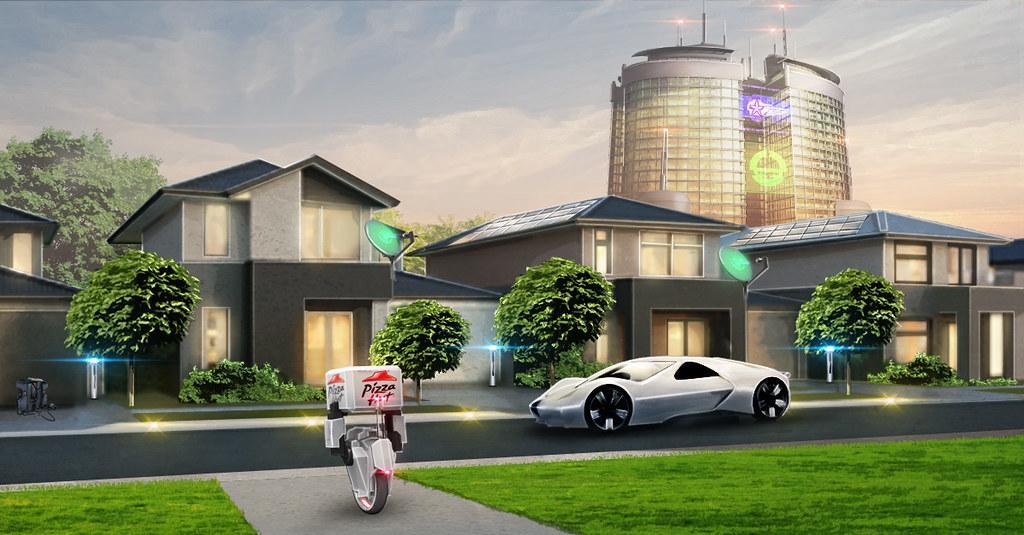
Integrating smart cars with smart homes hinges on robust communication protocols and secure channels. This connection enables seamless data exchange, facilitating features like automated home adjustments upon arrival or departure, and personalized experiences. Effective integration relies on a secure and reliable system that protects user data.
Communication Protocols and Standards
Smart car-smart home communication relies on various protocols and standards to ensure reliable data transmission. These protocols define the rules for exchanging information between devices, enabling features like remote control of home appliances or automated adjustments based on vehicle location. Common standards used include OCF (Open Connectivity Foundation) standards, which offer interoperability between devices from different manufacturers. These standards are essential for ensuring that diverse systems can communicate effectively.
Communication Channels
Several communication channels facilitate the connection between smart cars and smart homes. The choice of channel depends on factors such as range, bandwidth requirements, and the need for real-time communication.
- Wi-Fi: Widely available and offers high bandwidth, enabling fast data transfer. However, Wi-Fi’s range can be limited, especially in large homes or when the car is parked away from the home network. Furthermore, signal interference can impact performance.
- Bluetooth: Offers short-range communication ideal for local interactions. It is energy-efficient, suitable for transferring smaller amounts of data, and is particularly well-suited for controlling accessories or devices within close proximity of the car. However, Bluetooth’s bandwidth is typically lower than Wi-Fi.
- Cellular (4G/5G): Offers a robust, long-range connection, crucial for communication when the car is outside the home’s Wi-Fi network. This ensures continuous data transfer regardless of the car’s location. Cellular networks provide high bandwidth for larger data transfers and real-time updates.
Security Considerations
Securing the connection between smart cars and smart homes is paramount. Compromised systems could lead to unauthorized access to personal data or control over home devices, potentially exposing users to significant risks. Therefore, robust security measures are vital.
- Data Encryption: Encrypting data transmitted between the car and home systems is crucial. Encryption techniques scramble data, rendering it unreadable to unauthorized parties. Advanced encryption standards like AES (Advanced Encryption Standard) are employed to protect sensitive information during transmission. This is vital to prevent unauthorized access to data.
- Access Controls: Implementing strong access controls restricts access to home systems from the car. Multi-factor authentication, user authentication, and robust authorization mechanisms limit access to only authorized users. This protects against unauthorized access to home automation and prevents remote manipulation of the home.
Security Measures for Smart Car-Smart Home Integration
| Security Measure | Description | Impact |
|---|---|---|
| Strong Passwords | Use complex, unique passwords for all connected devices. | Reduces risk of unauthorized access |
| Regular Updates | Keep all software and firmware updated to address vulnerabilities. | Addresses potential security flaws |
| Network Segmentation | Isolate the car’s network from the home network. | Limits the impact of potential breaches |
| Two-Factor Authentication | Implement additional verification steps for access. | Enhances security measures |
| Regular Security Audits | Periodically review security configurations and protocols. | Identifies and addresses security weaknesses |
Specific Integration Scenarios
Smart car-smart home integration offers a seamless and convenient experience, extending the functionality of both systems. This section explores practical examples of how specific devices interact, demonstrating the potential for enhanced convenience and automation.Integration allows users to leverage the features of their smart car from their home and vice versa. This enables a wide range of applications, from pre-heating the home before arrival to adjusting lighting settings remotely.
The possibilities are vast, improving daily routines and creating a more integrated lifestyle.
Smart Thermostat Integration
Smart thermostats are frequently integrated with smart cars. This integration allows drivers to pre-condition their homes to a desired temperature before arriving. For instance, if a user is driving home from work, they can use their car’s app to adjust the thermostat setting in their house to a comfortable temperature. The system can even learn user preferences and automatically adjust the temperature based on anticipated arrival times.
The steps involved are usually straightforward: setting the desired temperature in the car’s app, selecting the appropriate time for the temperature change, and enabling the automation feature.
Smart Lighting Integration
Smart lighting systems offer a wide array of integration opportunities with smart cars. Drivers can control their home lighting remotely, turning lights on or off before arrival or adjusting the ambiance to suit their mood. Furthermore, smart cars can use lighting cues to signal the home’s status, such as a specific light pattern indicating the arrival of a vehicle.
This is useful for security purposes, letting guests know when a car has arrived.
Integration Table
This table Artikels various smart home device types and their corresponding integration methods with smart cars. The methods and specific functionalities can vary based on the brands and models of both the smart car and the smart home devices.
| Smart Home Device Type | Integration Method | Example Functionality |
|---|---|---|
| Smart Thermostat | App-based control, scheduled automation | Pre-heating or cooling the home before arrival |
| Smart Lighting | App-based control, scene settings, automated routines | Adjusting lighting ambiance, activating security lighting |
| Smart Security System | App-based control, alerts, automated triggering | Arming or disarming the system, receiving alerts of car arrival or departure |
| Smart Appliances (e.g., oven, coffee maker) | App-based control, scheduled automation | Preheating the oven before arrival, starting a coffee brewing cycle |
| Smart Locks | App-based control, remote access, automated unlocking | Unlocking the front door upon car arrival, setting timed locking/unlocking |
Control and Automation
Smart car-smart home integration allows for seamless automation of daily routines, enhancing convenience and efficiency. By linking your vehicle’s location and driving conditions with your home’s systems, you can pre-program actions for a more personalized and automated experience. This empowers users to tailor their home environment to their needs, making their daily life more comfortable and predictable.Automated routines can be set up to anticipate your needs, adjusting the home environment to match your arrival or departure.
This includes controlling temperature, lighting, entertainment systems, and more, all based on the car’s real-time location and driving status.
Setting Up Automated Routines
Setting up automated routines requires careful configuration within the smart car and home applications. This process involves defining triggers and actions based on various parameters. Users must specify conditions that initiate the automation sequence, such as car location or driving speed. These conditions should be carefully selected to ensure that the automation is initiated only when needed.
Automating Home Climate Based on Car Location
This feature enables the adjustment of home temperature based on the car’s location. For instance, if the car is approaching the home, the system can pre-heat or cool the house based on the expected arrival time and the desired temperature. This ensures that the home is at the optimal temperature upon arrival, enhancing comfort. The automation can also be tailored to specific driving conditions, adjusting temperature settings if the car is in a particular region or if the weather forecast changes.
Setting Up Pre-programmed Actions Based on Driving Conditions
Pre-programmed actions based on driving conditions can significantly improve the user experience. For example, if the car is stuck in heavy traffic, the home’s lighting can be adjusted to a softer setting. If the car is driving at a certain speed or is approaching a specific location, pre-programmed actions can be initiated to ensure the home is ready for arrival or departure.
This personalization allows users to adapt their home environment to different driving conditions.
Automating Lighting and Entertainment Based on Arrival
This feature enables the automation of lighting and entertainment systems based on the car’s arrival. Upon the car’s detection, the home’s lighting can automatically adjust to a welcoming ambiance. The entertainment system can also initiate a pre-selected playlist or show, further enhancing the user’s arrival experience. The automation can also be personalized to specific occasions, creating a more tailored welcome for each user.
Automation Scenarios
| Scenario | Trigger | Action |
|---|---|---|
| Arrival Welcome | Car detected near home | Lights dim, music starts, temperature adjusts |
| Departure Preparation | Car leaving home | Lights off, security system activates, temperature set to energy-saving mode |
| Traffic Delay | Car stuck in traffic | Lower lights, adjust music volume, prepare pre-programmed movie |
| Pre-heating/Cooling | Car approaching home, predicted arrival time | Adjust temperature to desired setting |
| Special Event | Specific location, time | Special lighting, pre-selected music playlist |
User Interface and Experience

A seamless user experience is crucial for successful smart car-smart home integration. The interface must be intuitive, allowing users to effortlessly control and manage both systems. This includes intuitive navigation, clear visual cues, and streamlined workflows. Users should be able to effortlessly transition between controlling their car and home systems without feeling overwhelmed.The design of the user interface should prioritize simplicity and ease of use, avoiding excessive complexity or confusing layouts.
This will empower users to effectively leverage the integrated features, minimizing frustration and maximizing the value of the integration. The interface should be tailored to different user preferences and technical proficiencies.
Different User Interface Types
The choice of user interface significantly impacts the user experience. Different approaches offer varying levels of control and convenience. Various options include mobile apps, voice assistants, and in-car displays. Each interface has strengths and weaknesses in terms of accessibility and ease of use.
- Mobile applications provide a versatile platform for controlling both the car and home systems. Users can access and manage various settings, such as climate control, security systems, and entertainment options, from a centralized location. Real-time feedback and customization options make this method highly flexible.
- Voice assistants offer hands-free control, allowing users to manage their systems with simple voice commands. This is particularly beneficial for tasks requiring minimal attention, like adjusting the temperature or locking the doors. Integration with popular voice assistants ensures compatibility with existing smart home ecosystems.
- In-car displays offer a direct connection to vehicle functions. The integration of smart home controls on the car’s dashboard streamlines control of both environments. This approach ensures easy access while driving, as users can handle many tasks without taking their eyes off the road. However, it may require a more complex initial setup and display management.
Design Considerations for Intuitive Interfaces
Creating an intuitive interface requires careful consideration of several design elements. These elements should ensure users can easily interact with and understand the integrated systems. Clear visual cues, consistent design patterns, and logical navigation are essential. A well-designed interface should adapt to different user preferences and technical proficiencies.
- Visual Cues: Using clear icons, color-coding, and visual feedback is critical. This aids users in quickly identifying functions and understanding their status. Consistent use of visual cues throughout the interface reduces the learning curve.
- Consistent Design Patterns: Employing consistent design elements, such as button layouts and menu structures, across all screens ensures familiarity and ease of navigation. This minimizes the need for extensive training.
- Logical Navigation: Intuitive navigation paths enable users to effortlessly find the desired settings and features. The structure of the interface should support users in accomplishing their tasks quickly and efficiently.
Avoiding Interface Complexity
Simplicity is paramount in a user interface. Excessive complexity can lead to confusion and frustration. Careful planning and design choices are essential to avoid overwhelming users with too many options or complicated layouts.
- Modular Design: Breaking down complex functions into smaller, manageable modules simplifies the interface and reduces the cognitive load on the user. This allows for more granular control and avoids overwhelming users with excessive options.
- Guided Navigation: Providing clear instructions and prompts guides users through the interface, particularly during initial setup. This reduces the likelihood of errors and improves the user experience.
- Progressive Disclosure: Gradually revealing options and controls as needed prevents overwhelming users with too much information at once. This technique focuses attention on essential features while avoiding information overload.
Comparison of UI/UX Designs
| Feature | Mobile App | Voice Assistant | In-Car Display |
|---|---|---|---|
| Ease of Use | High | Medium | Medium-High (with proper design) |
| Accessibility | High | High | Medium |
| Control while Driving | Low | High | High |
| Initial Setup Complexity | Medium | Medium | High |
| Customization Options | High | Medium | Medium |
Practical Examples and Case Studies
Real-world implementations of smart car-smart home integration demonstrate the potential for enhanced convenience and efficiency. These integrations are becoming increasingly sophisticated, leveraging advanced technologies to automate tasks and improve the user experience. Successful integration projects often involve careful planning, robust communication protocols, and user-friendly interfaces.Successful smart car-smart home integrations demonstrate a tangible improvement in daily life. For instance, automated lighting adjustments based on car arrival time can significantly enhance user experience, especially in environments with limited visibility.
Successful Integration Examples
Several successful integration projects showcase the benefits of seamless communication between smart car and smart home systems. One example involves a system where the car automatically adjusts the home thermostat and lighting based on the driver’s preferred settings and anticipated arrival time. This ensures a comfortable temperature and lighting environment upon arrival. Another project successfully integrated a smart garage door opener with the car’s location data, enabling automated opening when the car is approaching the home.
These are just two examples of how smart car-smart home integrations can improve convenience and reduce manual tasks.
Benefits and Drawbacks of Different Integration Approaches
Different approaches to integration, including cloud-based platforms and direct communication protocols, offer varying advantages and disadvantages. Cloud-based platforms often provide broader functionalities and scalability, but they may introduce latency issues due to network dependencies. Direct communication protocols, on the other hand, can achieve near real-time responsiveness but require more complex setup and configuration. A comprehensive evaluation of these factors is crucial in choosing the most appropriate approach for specific needs.
Impact on Daily Life
Integration of smart car and smart home systems leads to significant improvements in daily life. For example, users can pre-program home appliances to start running before their arrival, such as preheating the oven or adjusting the temperature of the house. This ensures a comfortable environment upon arrival. Furthermore, automated security systems, triggered by the car’s departure or arrival, enhance home security.
Factors Affecting Integration Effectiveness
Several factors influence the effectiveness of smart car-smart home integrations. Network reliability, compatibility of devices from different manufacturers, and user experience are key factors. Inconsistent or unreliable internet connections can significantly impact real-time responsiveness, potentially disrupting the intended automation. Similarly, device compatibility issues may prevent seamless communication between various systems.
Enhancing User Experience
User-friendly interfaces play a vital role in enhancing the user experience of smart car-smart home integrations. Intuitive control mechanisms and clear visualizations of integrated systems are crucial for easy management and operation. A well-designed interface allows users to easily monitor and adjust various settings, minimizing frustration and maximizing convenience. A simple, intuitive interface, along with robust support, are essential components for positive user experiences.
Future Trends and Developments

The integration of smart cars and smart homes is rapidly evolving, driven by advancements in connected technology and user demand for seamless experiences. Future developments promise to blur the lines between the two, creating even more interconnected and automated living spaces. The next 5-10 years will likely witness significant improvements in the functionality and sophistication of these integrations.The convergence of these technologies will lead to a more intuitive and responsive ecosystem, offering users a higher degree of control and convenience.
Emerging technologies will play a pivotal role in shaping these future integrations, leading to an enhanced user experience and more streamlined daily routines.
Potential Future Developments
The integration of smart cars and smart homes will continue to progress, with a focus on enhanced automation, personalized experiences, and improved safety. Expect the development of more sophisticated algorithms and machine learning models to facilitate more nuanced and proactive responses to user needs. Increased connectivity and data sharing between vehicles and homes will enable more predictive and anticipatory features.
Emerging Technologies
Several emerging technologies will significantly influence the future of smart car-smart home integration. Advancements in artificial intelligence (AI) and machine learning (ML) will be crucial in enabling more intelligent and proactive systems. For instance, AI can analyze driving patterns and adjust home settings accordingly, preparing the environment for the driver’s arrival or departure. Improved wireless communication technologies, like 5G and beyond, will ensure seamless and high-speed data transfer between vehicles and homes.
The increased bandwidth and reliability of these networks will facilitate more complex and real-time interactions.
Advanced Features
Future smart car-smart home integrations will offer a wide array of advanced features. These include pre-emptive home environment adjustments based on driving patterns and real-time traffic conditions. For example, if a driver is anticipated to arrive home during peak traffic, the smart home could automatically adjust the temperature, lights, and entertainment systems to create a welcoming and comfortable environment.
Another feature could be automated grocery shopping based on car inventory and preferences. The system would communicate with grocery stores to purchase items before the driver arrives, saving time and effort.
Roadmap for Smart Car-Smart Home Integration
A potential roadmap for smart car-smart home integration over the next 5-10 years could include the following phases:
- Phase 1 (Present-2 years): Continued development and refinement of existing integrations, focusing on seamless communication and increased reliability.
- Phase 2 (2-5 years): Introduction of AI-powered predictive features, allowing for proactive adjustments to home settings based on driver behavior and external factors. Examples include real-time traffic analysis and personalized pre-departure home settings.
- Phase 3 (5-10 years): Integration of more advanced technologies, like augmented reality (AR) and virtual reality (VR), to enhance the user experience and create immersive home environments. The goal would be to create an intelligent environment that learns and adapts to the user’s needs.
Summary
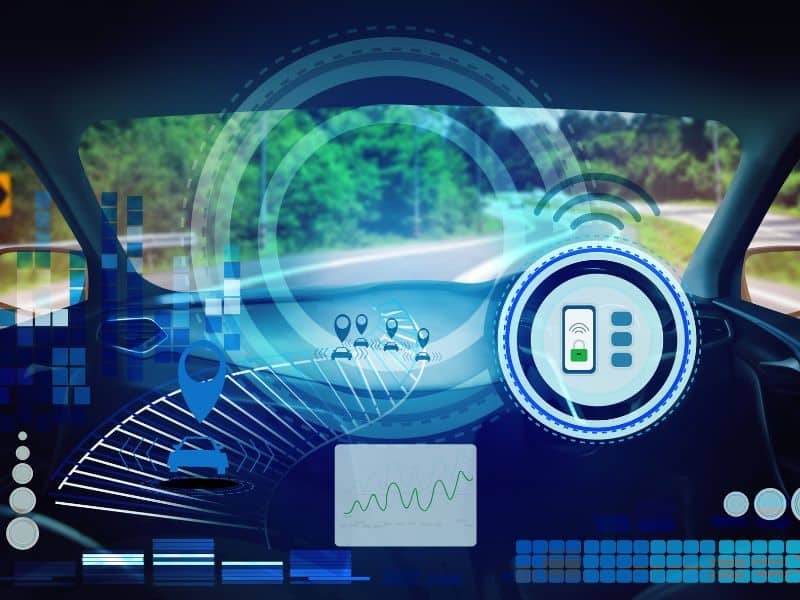
In conclusion, integrating your smart car with your smart home offers a multitude of benefits, from enhanced convenience and security to improved efficiency and user experience. This guide has provided a comprehensive overview of the process, covering various aspects from connecting systems to establishing automated routines. The future of smart home and smart car integration is bright, and we hope this guide has empowered you to embrace this transformative technology.