Welcome to the future of gardening! Smart sensors are revolutionizing how we cultivate our green spaces. This comprehensive guide will walk you through the fascinating world of automated gardening, from understanding the basics of smart sensors to implementing sophisticated systems for optimal plant growth. Discover how these technologies can transform your garden from a labor-intensive hobby to a highly efficient and rewarding experience.
We’ll explore various sensor types, from soil moisture to light intensity, and delve into the crucial steps of selecting, installing, and programming your automated system. Learn how to optimize watering schedules, integrate automated fertilizing and pest control, and maximize the potential of your smart garden.
Introduction to Smart Gardening

Smart gardening leverages technology to enhance the efficiency and productivity of horticultural endeavors. It employs automation and data analysis to optimize plant growth, reduce resource consumption, and minimize human intervention. By incorporating smart sensors, gardeners can precisely monitor and control various environmental factors, ultimately leading to healthier, more bountiful harvests.Automated systems in smart gardening allow for real-time adjustments to watering, fertilization, and other critical factors, leading to significant improvements in yield and quality.
This precision approach often results in higher yields, better quality produce, and reduced environmental impact, making smart gardening a valuable asset for both commercial and home gardeners.
Sensors in Smart Gardening Systems
Sensors play a crucial role in the automation of smart gardening systems. They act as the eyes and ears of the system, providing real-time data on environmental conditions and plant health. This data is then used to trigger automated responses, ensuring optimal growth conditions. Different types of sensors are used to monitor various aspects of the garden environment, enabling precise control over the growing process.
Types of Smart Gardening Sensors
Various types of sensors are employed in smart gardening systems, each designed to monitor specific environmental factors. These sensors provide valuable data, allowing gardeners to make informed decisions and optimize their growing practices.
| Sensor Type | Function | Typical Applications |
|---|---|---|
| Soil Moisture Sensor | Measures the amount of water present in the soil. | Automated irrigation, preventing overwatering or underwatering. |
| Temperature Sensor | Monitors the air or soil temperature. | Optimizing temperature for plant growth, triggering heating or cooling systems. |
| Light Intensity Sensor | Measures the amount of light available to plants. | Adjusting supplemental lighting, promoting optimal photosynthesis. |
| Humidity Sensor | Detects the moisture content in the air. | Maintaining optimal humidity levels, preventing fungal diseases. |
| pH Sensor | Measures the acidity or alkalinity of the soil. | Ensuring appropriate soil pH for plant growth. Adjusting fertilizer application. |
| Nutrient Sensor | Measures the concentration of essential nutrients in the soil. | Optimizing nutrient levels, preventing nutrient deficiencies or excesses. |
Choosing the Right Sensors
Selecting appropriate sensors is crucial for successful automated gardening. The correct sensors provide accurate data about your garden’s environment, allowing your system to make informed decisions about watering, fertilizing, and pest control. Careful consideration of various factors, including sensor technology, accuracy, and maintenance, is essential for long-term reliability.Choosing the right sensors is paramount to the success of your automated gardening system.
Sensors accurately measure environmental conditions like moisture, temperature, and light, enabling automated responses to optimize plant growth. Their proper selection and maintenance are key to achieving consistent, reliable results.
Sensor Technology Considerations
Different sensor technologies offer varying degrees of accuracy and cost-effectiveness. Understanding the strengths and limitations of each type is vital for selecting the best solution for your specific needs. The accuracy of the data gathered is critical for effective automation, as decisions made by the system are based on the sensor readings.
Accuracy and Reliability
Sensor accuracy directly impacts the reliability of your automated system. A sensor that consistently provides accurate readings allows for precise control over watering and other critical aspects of plant care. Calibration ensures that readings are precise and consistent over time. For example, a moisture sensor that consistently underestimates soil moisture could lead to overwatering, potentially harming the plants.
Conversely, an accurate sensor provides a reliable data stream to the system.
Calibration and Maintenance
Regular sensor calibration is essential for maintaining accuracy over time. This involves comparing sensor readings to known values or using a calibration tool. The consistency of sensor readings directly impacts the effectiveness of automated interventions. Inaccurate readings can lead to improper watering schedules, fertilizer application, and pest control measures, potentially causing harm to plants.
Comparison of Sensor Types
| Sensor Type | Pros | Cons | Accuracy Level | Cost |
|---|---|---|---|---|
| Soil Moisture Sensor (Electrical Resistance) | Relatively inexpensive, readily available, measures moisture levels accurately | Can be affected by soil type and salinity, requires regular calibration | High (for specific soil types) | Low |
| Wireless Temperature and Humidity Sensors | Convenient installation, easy data monitoring, suitable for larger gardens | Potentially susceptible to interference, may require more complex setup | Medium (depends on sensor quality) | Medium |
| Light Sensors (Photosynthetically Active Radiation – PAR) | Essential for determining light levels, directly impacting plant growth | Calibration may be more complex, sensitivity to ambient light | High (for specific applications) | Medium to High |
| Wireless Soil pH Sensors | Provides vital information for nutrient management | Calibration can be challenging, potential for interference | Medium (depends on sensor quality) | Medium to High |
The table above provides a comparative overview of different sensor types. Each type has unique strengths and weaknesses, influencing the choice based on specific garden requirements. Factors like budget, desired accuracy, and the complexity of the automated system all play a role. For instance, a large-scale commercial greenhouse might require highly accurate and reliable sensors compared to a small home garden.
Setting Up Your Smart Garden System

Implementing a smart garden system requires careful planning and execution. Proper installation and connection of sensors are crucial for accurate data collection and effective automation. This meticulous process ensures that your garden thrives by responding to real-time environmental conditions. A well-structured system will optimize watering, fertilization, and other critical factors, leading to a more productive and sustainable garden.Successful integration of smart sensors into your garden system hinges on precise wiring and signal connections.
Ignoring these details can lead to inaccurate readings and ultimately hinder the system’s effectiveness. Thorough understanding of these technical aspects is vital to prevent potential errors and ensure reliable data. This section provides a step-by-step approach to setting up your smart garden system, including practical troubleshooting techniques.
Sensor Installation and Connection
Accurate sensor readings depend on correct installation and connection. Improper wiring or signal connections can lead to inaccurate data, impacting the automation and effectiveness of the system. Carefully following the manufacturer’s instructions is essential for optimal performance. Testing connections after each step helps identify and resolve any potential issues early on.
Soil Moisture Sensor Installation
Soil moisture sensors play a critical role in automated irrigation systems. Accurate measurement of soil moisture levels ensures efficient water usage and prevents overwatering or underwatering, crucial for plant health. Following the steps below provides a reliable way to install a soil moisture sensor.
- Preparation: Prepare the planting area by ensuring the soil is appropriately tilled or loose. This will ensure the sensor probes can penetrate easily and accurately measure moisture levels.
- Sensor Placement: Carefully insert the sensor probes into the soil at the desired depth, typically 2-4 inches, to measure moisture levels at a critical depth. Use a marking tool to indicate the probe locations. A diagram showing a sensor probe inserted into soil with depth markings would be helpful here. (For example, imagine a simple diagram with a vertical line representing the soil, and a curved line representing the sensor probe extending into the soil with measurements on the side indicating depth).
- Wiring Connections: Connect the sensor’s wires to the corresponding inputs on your control unit or gateway device, ensuring polarity is correct. This often involves using specific connectors or wires to match the sensor’s output to the system’s input. Refer to the sensor and control unit manuals for specific instructions on wiring.
- Calibration and Testing: Calibrate the sensor according to the manufacturer’s instructions. This might involve adjusting the sensor’s settings or using a calibration tool. Test the sensor’s readings under different moisture conditions to verify accuracy. Note any inconsistencies in readings and try to isolate the cause. Use a moisture meter for comparison.
- Troubleshooting: If the sensor isn’t providing accurate readings, check for loose connections, damaged wires, or faulty sensors. Review your wiring diagrams and ensure all connections are secure. Check if the sensor is correctly calibrated and if the soil is suitable for the sensor to work properly.
Troubleshooting Common Installation Issues
Troubleshooting sensor installation problems is vital for maintaining a functioning smart garden system. Common issues include inaccurate readings, sensor malfunction, and connectivity problems. Identifying the root cause of these issues allows for swift resolution and prevents further complications.
- Inaccurate Readings: If the sensor readings are inconsistent or inaccurate, check for interference from other electronic devices. Also, verify that the sensor is properly calibrated and the soil moisture is within the sensor’s measurement range. Incorrect sensor depth or presence of large rocks/debris near the sensor can affect readings. A diagram showing different soil conditions (e.g., dry, moist, saturated) and the corresponding sensor readings would help illustrate this.
For example, a dry soil sample might have a sensor reading of 10%, while a saturated soil sample might show a reading of 90%.
- Sensor Malfunction: A faulty sensor may need replacement. Refer to the manufacturer’s guidelines for troubleshooting and replacement procedures. If you suspect a sensor malfunction, check the sensor’s power supply to ensure it is functioning correctly. A diagram of the sensor’s internal components (e.g., the moisture-sensitive element) could help understand the sensor’s function.
- Connectivity Problems: Check the wiring connections to ensure all cables are securely connected. If using wireless sensors, confirm the wireless signal is strong and there are no obstacles affecting the connection. A diagram of a typical wireless sensor setup showing the signal path would be helpful. Verify that the wireless gateway is properly powered and connected to the network.
Programming and Controlling the System
Mastering the programming and control of your smart garden system is crucial for maximizing its efficiency and effectiveness. This involves selecting appropriate software platforms and understanding the different methods for automating tasks such as watering, fertilizing, and pest control. The right system will allow you to fine-tune your garden’s environment based on real-time sensor data and your desired outcomes.
Methods for Controlling Automated Tasks
Different methods are available for controlling automated garden tasks, each with its own advantages and disadvantages. These methods vary based on the complexity of the system and the level of control desired. Some systems offer manual override capabilities, allowing for immediate adjustments to watering schedules or other tasks.
- Manual Control: Provides immediate and direct control over the system, allowing adjustments to schedules or actions on-demand. This is useful for unexpected events or situations that require immediate intervention. This method is suitable for simpler systems or when precise timing is not a primary concern.
- Scheduled Automation: Pre-programmed routines for watering, fertilizing, and pest control based on specific times or conditions. This is ideal for tasks that require a consistent schedule, such as daily watering or weekly fertilizing. Examples include setting a timer for a sprinkler system to activate at dawn or a specific time of day.
- Conditional Automation: Automated tasks that trigger based on sensor data or environmental conditions. For instance, a system might automatically activate a sprinkler system only when soil moisture drops below a predetermined level. This approach optimizes water usage and ensures plants receive water only when needed. Examples include systems that adjust watering based on temperature, humidity, or sunlight levels.
Software Platforms and Applications
Numerous software platforms and applications are available for smart garden automation. Choosing the right platform depends on factors like the complexity of the system, the desired level of customization, and budget. These platforms allow users to monitor sensor readings, adjust settings, and receive notifications about their garden’s status.
- Dedicated Smart Garden Apps: Many companies offer dedicated apps designed specifically for smart garden automation. These apps often include intuitive interfaces for controlling watering, fertilizing, and pest control, providing detailed reports and insights into plant health. These apps can be highly customized and user-friendly, providing detailed data for analysis.
- Home Automation Platforms: Platforms like Home Assistant or IFTTT allow integrating smart garden components into existing home automation systems. This offers a comprehensive approach to controlling various aspects of the home environment, including the garden. Integration with other smart home devices can enhance the user experience.
- Custom-Built Systems: For highly customized or complex systems, custom-built software solutions might be required. These solutions provide maximum flexibility but can come at a higher cost and require specialized knowledge. These solutions allow for precise control and optimization of the system for specific needs.
User Interfaces for Controlling Automated Tasks
User interfaces for controlling automated watering, fertilizing, and pest control systems vary depending on the chosen software platform. Most platforms utilize intuitive graphical displays, allowing users to monitor and adjust settings easily.
- Automated Watering: User interfaces often include graphical representations of watering zones and schedules. Users can easily adjust watering times, durations, and frequency based on sensor readings or pre-set schedules. Visual displays of water usage and plant health can aid in effective management.
- Fertilizing: Interfaces can display fertilizer application schedules and levels. Users can customize fertilizer types and dosages based on plant needs and sensor data. Users can also track the fertilizer usage to avoid over-application.
- Pest Control: User interfaces can provide options for automated pest control measures, such as activating pest-repelling devices or releasing beneficial insects based on sensor data or pre-set schedules. These interfaces often incorporate pest detection data and user-defined pest control actions.
Comparison of Software Platforms
The following table provides a comparative overview of popular software platforms for smart gardening systems.
| Platform | Features | Ease of Use | Cost |
|---|---|---|---|
| SmartGardenPro | Comprehensive control, detailed reports, extensive customization options | Medium | High |
| Home Assistant | Highly customizable, integrates with other smart home devices | High | Low (often free) |
| IFTTT | Simple automation rules, integrates with various services | Low | Low (often free) |
| GrowLink | Intuitive interface, real-time sensor monitoring | Medium | Medium |
Implementing Automated Watering Systems
Automated watering systems are a cornerstone of smart gardening, ensuring consistent and optimized water delivery to plants. By incorporating sensor data and programmable schedules, these systems significantly reduce water waste and promote healthy plant growth. They adapt to varying environmental conditions, ensuring plants receive the precise amount of water they need, when they need it.The implementation of an automated watering system relies on a delicate balance between accurate sensor readings, carefully crafted schedules, and the integration of rain sensors.
Proper setup and programming can transform a garden from a labor-intensive task to a self-regulating ecosystem.
Design and Implementation of Automated Irrigation Systems
Automated irrigation systems typically involve a combination of components, including water sources, pumps, valves, and tubing. These systems are designed to deliver water to specific areas of the garden based on sensor data. The design should consider the layout of the garden, the types of plants being cultivated, and the local climate conditions. For example, a system designed for a vegetable garden with various plant heights might use different nozzle types or pressure settings for each zone.
Careful planning ensures water is delivered efficiently and effectively to each plant.
Use of Timers and Schedules for Automated Watering
Timers and schedules are essential components of automated watering systems. They allow for programmed watering times, tailored to specific plant needs and environmental conditions. For instance, a schedule might include watering every other day during the hottest part of the summer, while a different schedule might be employed during cooler periods. This precision is vital for optimal plant health and minimizes water waste.
Optimizing Watering Schedules for Different Plants and Conditions
Different plants have varying water requirements. Some, like succulents, require less frequent watering than others, such as leafy greens. Understanding these differences is critical for optimizing watering schedules. Consider factors like soil type, plant type, and local weather patterns when creating watering schedules. For example, sandy soil drains water more quickly than clay soil, requiring more frequent watering.
A combination of soil analysis and weather forecasts will help you tailor schedules effectively.
Use of Rain Sensors and Their Integration into the Automation System
Rain sensors are invaluable additions to automated irrigation systems. They monitor rainfall and automatically adjust or halt watering schedules when sufficient rainfall is detected. This integration is crucial to prevent overwatering and conserve water resources. A properly calibrated rain sensor provides accurate information, allowing the system to adapt to natural rainfall patterns, ensuring efficient water usage. This integration significantly reduces water waste, especially in areas with consistent rainfall.
Integrating Other Automation Functions
Expanding upon your smart garden system, integrating additional automation functions can significantly enhance its efficiency and effectiveness. This section explores the use of sensors for automated fertilizing, pest control, and even temperature regulation, transforming your garden into a self-managing oasis.
Automated Fertilizing Systems
Nutrient delivery systems can be integrated to ensure precise and timely fertilization. These systems utilize sensors to monitor soil nutrient levels, providing automated delivery of the correct amount of fertilizer. This eliminates guesswork and ensures optimal plant growth. Automated systems can prevent over-fertilization, a common issue in traditional gardening.
Automated Pest Control Systems
Pest detection systems play a crucial role in proactive pest management. These systems utilize sensors to identify pests, often through visual or chemical detection, triggering appropriate actions such as releasing beneficial insects, applying pesticides, or initiating a manual intervention. Early detection minimizes damage and promotes a healthier garden ecosystem.
Automated Nutrient Delivery Systems
Implementing automated nutrient delivery systems involves strategically placed sensors that monitor soil conditions and adjust nutrient delivery accordingly. These systems typically use a combination of soil moisture sensors and nutrient sensors to detect the precise needs of each plant. For instance, a system might release fertilizer when soil moisture drops below a certain threshold and the nutrient level is low, ensuring the plants receive the necessary nutrients at the optimal time.
Temperature-Controlled Fan Systems
Temperature sensors can trigger automated fan systems to maintain ideal temperatures for plants. If the temperature rises above a certain threshold, the system can automatically activate a fan, providing essential cooling for the plants, especially during hot summer days. This proactive measure prevents heat stress and ensures the plants’ health and productivity.For example, if a tomato plant’s temperature exceeds 30°C, a temperature sensor can activate a fan, providing a cool breeze.
This ensures the plants maintain optimal growth and productivity.
Monitoring and Maintaining Your System
A well-maintained smart garden system ensures optimal plant growth and prevents costly repairs. Regular monitoring and proactive maintenance are crucial for a successful automated garden. Properly functioning sensors provide reliable data, enabling informed decisions about your plants’ needs. Addressing issues promptly prevents escalating problems and maximizes the lifespan of your system.
Importance of Regular Monitoring
Regularly reviewing sensor data is vital for maintaining a healthy garden. This involves tracking soil moisture, temperature, light levels, and other relevant parameters. Changes in these readings can indicate potential problems, such as pest infestations, nutrient deficiencies, or environmental stressors. Prompt identification of these issues allows for timely intervention, preventing further damage to your plants. By monitoring trends, you can anticipate future needs and adjust your system’s settings accordingly.
Troubleshooting Common Issues
Troubleshooting a smart garden system often involves identifying the source of a problem based on sensor readings and system performance. For example, if your system consistently reports low soil moisture, but the watering schedule is on, you might need to check for clogs in the irrigation system or adjust the watering frequency based on soil type. If your sensors indicate unusually high temperatures, check for any obstructions to airflow or ensure the system is functioning correctly.
Accurate records of sensor readings and system activity are essential for diagnosing problems.
Sensor Calibration and Replacement
Maintaining accurate sensor readings is crucial for optimal system performance. Calibration ensures that sensors accurately measure environmental conditions. Over time, sensors may become less precise due to wear and tear or exposure to harsh elements. Calibration involves adjusting the sensor readings to match known values or standards, ensuring accurate data for decision-making. Replacing sensors that consistently provide inaccurate readings is essential for accurate system performance.
The frequency of sensor calibration and replacement depends on the type of sensor, the environmental conditions, and the specific needs of your garden.
Preventative Maintenance Tasks
A proactive approach to maintenance is key for the long-term health of your smart garden system. Regular maintenance tasks help maintain the system’s performance and extend its lifespan.
- Irrigation System Checks: Regularly inspect the irrigation system for clogs, leaks, or blockages. Clean or replace any filters to maintain proper water flow.
- Sensor Cleaning: Clean sensors regularly to remove dust, debris, or other contaminants that might interfere with their readings. Use appropriate cleaning solutions for different sensor types.
- Software Updates: Regularly update the software of your smart garden system to benefit from bug fixes, new features, and improved functionalities.
- Battery Checks: Ensure all batteries in the system are properly charged or replaced as needed. Low battery power can disrupt the system’s operations.
- Data Backup: Regularly back up the data collected by your sensors to prevent data loss due to hardware failures or other unforeseen circumstances.
- Documentation: Maintain records of your system’s performance, including sensor readings, maintenance activities, and troubleshooting steps. This will help you identify patterns and trends over time.
Advanced Applications and Considerations
Smart gardening systems are evolving beyond basic automation, incorporating sophisticated sensors and advanced algorithms to optimize plant growth and minimize environmental impact. This section explores the expanded capabilities of smart sensors, the environmental footprint of these systems, scalability considerations, and the economic advantages they offer.These systems, once limited to basic watering schedules, are now capable of fine-tuning environmental factors like light intensity and soil moisture, ultimately leading to higher yields and healthier plants.
Understanding the environmental consequences, scalability, and economic benefits of these technologies is crucial for informed decision-making.
Advanced Applications of Smart Sensors
Smart sensors in gardens extend beyond basic monitoring to actively influence plant growth. Light intensity sensors, for instance, can adjust the timing and intensity of grow lights, mimicking natural sunlight patterns and maximizing photosynthesis. This targeted approach can significantly improve plant health and yield. Similarly, sophisticated soil moisture sensors can detect subtle changes in soil composition, enabling precise watering schedules that prevent overwatering or underwatering.
These advanced applications optimize resource utilization and minimize waste.
Environmental Impact of Smart Gardening Systems
Smart gardening systems aim to reduce water consumption and fertilizer use by precisely targeting plant needs. Automated systems can improve water efficiency by delivering water only when and where it’s needed, reducing runoff and water waste. Optimized fertilization, triggered by sensor data, minimizes fertilizer application, reducing potential environmental contamination. Furthermore, closed-loop systems can reduce reliance on external resources and contribute to a more sustainable approach to gardening.
The reduced use of chemical pesticides and fertilizers, coupled with efficient water management, makes these systems environmentally friendly.
Scalability of Smart Garden Automation Systems
Smart garden automation systems can be scaled to suit various needs, from small home gardens to large-scale commercial operations. Modular designs allow for easy expansion and integration of additional sensors and automation components as the garden grows or evolves. This scalability makes these systems suitable for both hobbyists and professional growers. For example, a small-scale system might start with a few sensors for monitoring soil moisture and temperature.
As the garden grows, additional sensors for light intensity, humidity, and even pest detection can be added.
Economic Benefits of Automating Garden Tasks
Smart garden automation systems can translate into significant economic benefits. Reduced labor costs are a key advantage, freeing up time and resources for other tasks. Increased yields and higher-quality produce can lead to greater profitability. Efficient resource use, particularly water and fertilizer, can reduce operational costs. Precise monitoring and control can minimize losses due to pests or diseases, further enhancing economic viability.
For example, a commercial grower using a smart system might experience a substantial increase in yield, coupled with a significant reduction in labor costs, leading to improved profit margins.
Case Studies and Examples
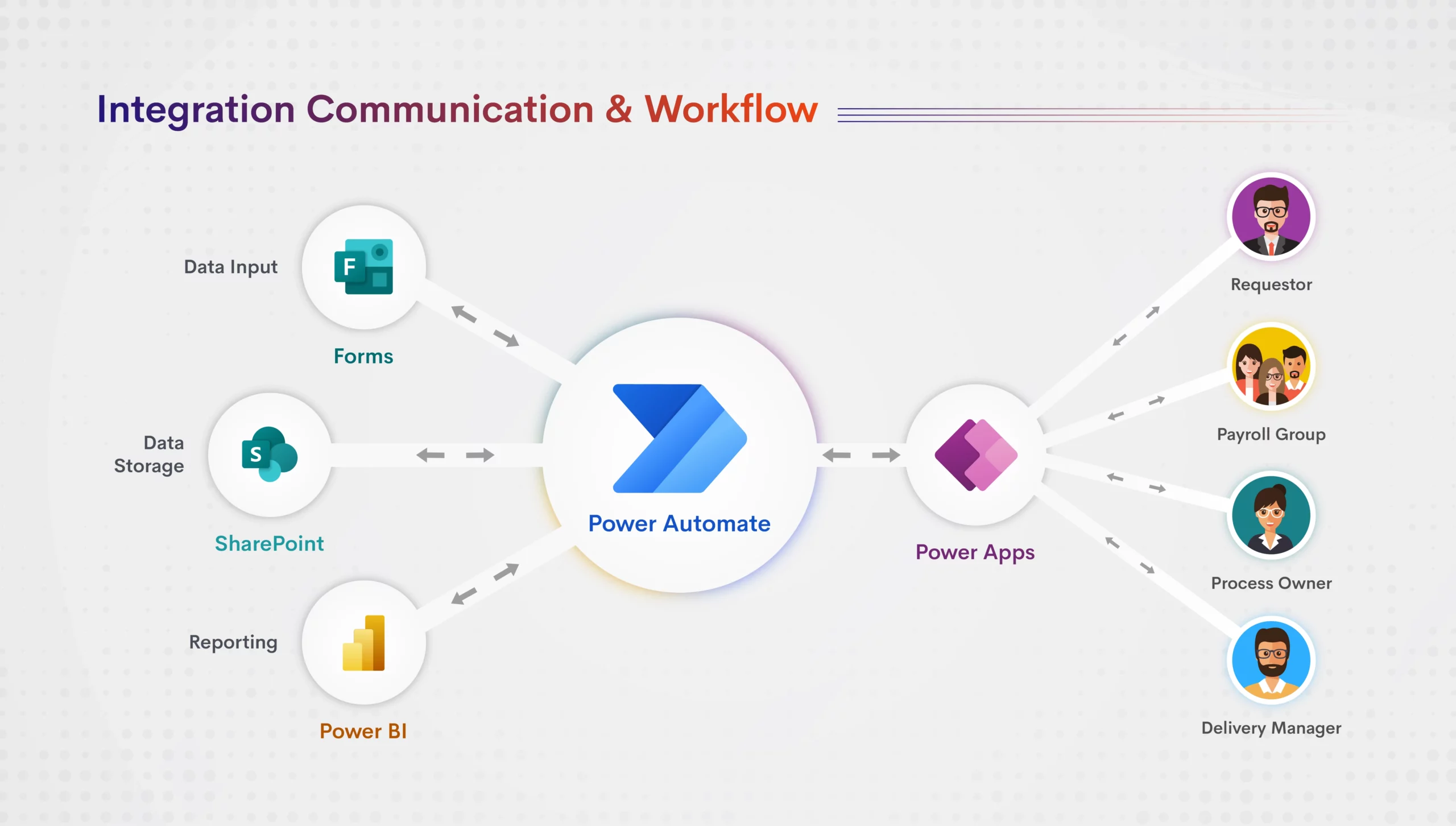
![How to Use Power Automate Workflows [Tutorial Guide for Beginners]](https://howzen.web.id/wp-content/uploads/2025/09/Save-time-with-Power-Automate.png "How to Use Power Automate Workflows [Tutorial Guide for Beginners]")
Real-world implementations of smart gardening systems demonstrate the potential for increased efficiency, reduced resource consumption, and enhanced crop yield. These examples showcase the practical application of sensor technology and automation in diverse agricultural settings, from small home gardens to large-scale commercial farms. Learning from successful installations can provide valuable insights for designing and implementing your own smart garden solutions.Successful smart garden installations often involve meticulous planning, careful sensor selection, and a deep understanding of the specific needs of the plants being cultivated.
These projects emphasize the importance of adaptability and iterative improvements, refining the system over time to optimize its performance and maximize results.
Large-Scale Hydroponic Farm Case Study
A prominent example of a large-scale hydroponic farm utilizes a sophisticated network of sensors to monitor plant health and environmental conditions in real-time. This system, implemented across multiple greenhouse bays, involves the integration of various sensors to track critical parameters such as nutrient levels, pH, temperature, humidity, and light intensity. This integrated approach allows for proactive adjustments to growing conditions, thereby minimizing potential yield losses and maximizing overall efficiency.
The farm utilizes a sophisticated data analysis platform to process sensor data. The platform aggregates data from various sensors, identifying patterns and anomalies that might indicate potential issues such as nutrient deficiencies or pest infestations. These insights enable timely interventions, such as adjusting nutrient solutions or deploying pest control measures, leading to improved crop quality and yield.
Sensor-Based Plant Health Monitoring
This system employs a variety of sensors to track crucial aspects of plant health. For instance, soil moisture sensors continuously monitor the moisture content of the growing medium, triggering automated irrigation systems to maintain optimal levels. Temperature sensors detect fluctuations that could harm plant development and trigger adjustments in environmental control systems. Light sensors ensure adequate light exposure, adjusting lighting schedules to promote optimal photosynthesis.
Furthermore, sensors monitor the health of individual plants by analyzing factors such as leaf color and turgor. Changes in these visual indicators are often correlated with underlying problems, such as nutrient deficiencies or pest infestations. By identifying these early warning signs, the system allows for timely intervention, preventing significant damage to the plants and maximizing their productivity. Data from these sensors allows for the prediction of potential issues, enabling preventative measures, which minimizes crop loss and maximizes yields.
Resource Optimization Through Smart Gardening
Smart gardening systems can significantly optimize resource usage. By automating irrigation based on real-time soil moisture data, water consumption is drastically reduced. Automated lighting systems adjust based on sunlight availability, minimizing energy expenditure. Optimized nutrient delivery, controlled by sensors monitoring nutrient levels in the growing medium, further reduces the consumption of valuable resources. This approach contributes to both environmental sustainability and cost savings.
For example, one smart garden installation recorded a 30% reduction in water usage and a 15% decrease in energy consumption compared to traditional methods. These reductions contribute to a positive environmental impact and potentially lower operational costs for large-scale farms.
Concluding Remarks
In conclusion, automating your garden with smart sensors offers a wealth of benefits, from increased efficiency and reduced labor to improved plant health and resource optimization. By understanding the diverse range of sensors, installation procedures, and programming techniques Artikeld in this guide, you can transform your garden into a thriving, automated ecosystem. Embrace the possibilities of smart gardening and unlock a new level of productivity and enjoyment in your green space.