This comprehensive guide delves into the realm of smart outdoor devices designed to deter pests. From understanding the fundamental principles behind pest control technology to exploring the various device types and their functionalities, we’ll provide a thorough overview of the evolution and effectiveness of these innovative solutions. This discussion encompasses a wide range of topics, including installation, features, pest-specific strategies, integration with home automation systems, environmental impact, and maintenance.
The evolving landscape of pest control has seen a significant shift towards technological solutions. Smart devices leverage advanced technologies to provide more targeted and efficient pest management strategies, enhancing user convenience and minimizing environmental impact. We’ll explore the specific mechanisms behind these technologies and how they can be effectively implemented in various outdoor settings.
Introduction to Smart Pest Deterrents
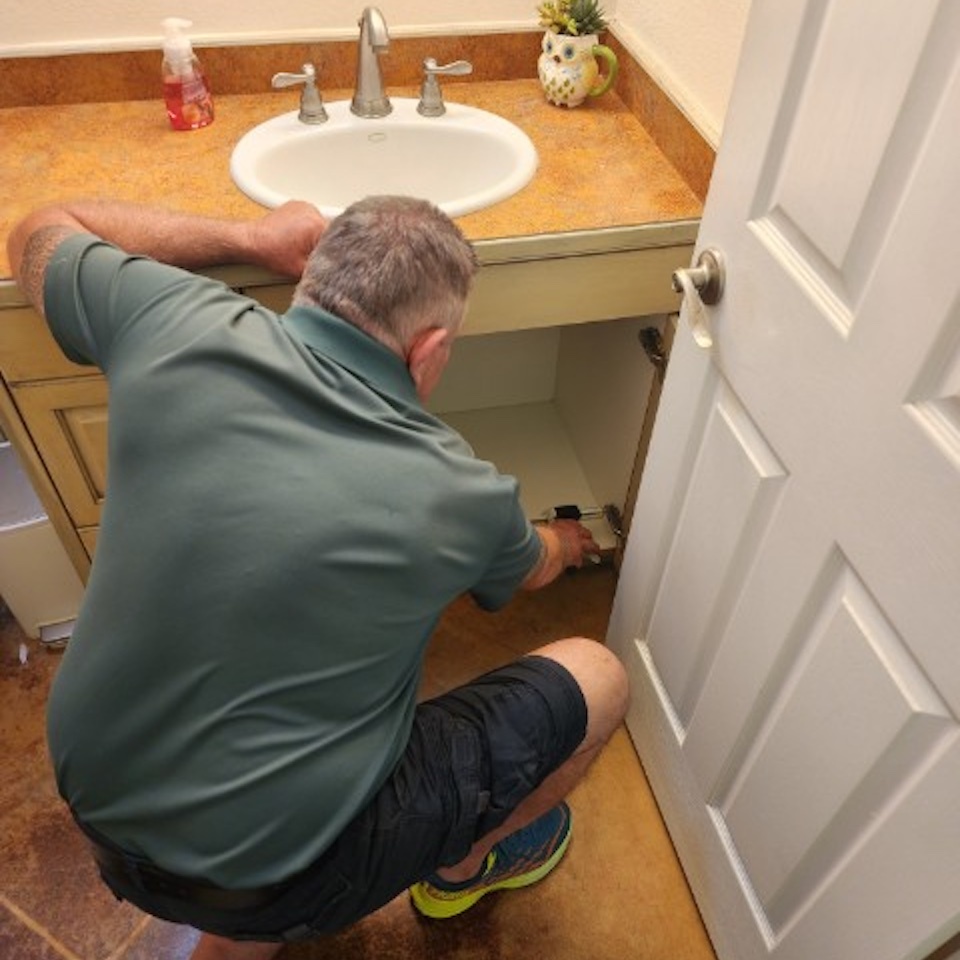
Smart outdoor devices for pest control represent a significant advancement in the field. These innovative tools leverage technology to effectively deter pests, offering a more sustainable and often more precise approach than traditional methods. The core principle is to employ sensory stimuli or environmental modifications to discourage pest activity, minimizing the use of harmful chemicals.The evolution of pest control has seen a gradual shift towards more environmentally conscious and targeted solutions.
Early methods often relied on broad-spectrum treatments that could harm beneficial insects and the wider ecosystem. Smart devices represent a paradigm shift, using precise and localized interventions to manage pest populations. This approach not only safeguards the environment but also provides a more effective long-term solution, reducing the need for repeated interventions.
Definition of Smart Outdoor Devices
Smart outdoor pest deterrents are automated systems that use technology to identify and respond to pest activity. These devices utilize sensors, integrated software, and often, specific deterrents like sonic or light signals, to disrupt the pest’s behavior and prevent infestation. They are designed to be adaptable and responsive, adjusting their strategies based on the specific pest and environmental conditions.
Fundamental Principles of Deterrent Technology
The fundamental principles behind deterring pests with technology focus on exploiting their sensory sensitivities and natural behaviors. This includes mimicking natural predators, emitting sounds or lights that are unpleasant to the pests, or modifying the environment to make it less suitable for their survival. For instance, some devices use ultrasonic sound frequencies that are inaudible to humans but irritating to insects.
Evolution of Pest Control Methods
Pest control methods have evolved significantly from reliance on broad-spectrum chemical treatments to the more targeted and sustainable solutions offered by smart devices. Early methods, such as the widespread use of pesticides, often caused unintended ecological consequences. The development of smart devices marks a crucial step toward a more environmentally friendly approach, allowing for precise control of pests without widespread harm to the ecosystem.
This evolution has been driven by growing concerns about environmental protection and the need for more effective and sustainable pest management.
Comparison of Traditional and Smart Pest Control Methods
| Feature | Traditional Pest Control Methods | Smart Device Solutions |
|---|---|---|
| Method | Chemical treatments (pesticides), physical traps, manual removal | Sensor-based detection, targeted deterrents (sonic, light, etc.), automated response |
| Target | Broad-spectrum, often affecting beneficial insects and the environment | Specific pest types, localized intervention |
| Sustainability | Often environmentally harmful, potential for long-term ecological damage | Environmentally friendly, reduces reliance on harmful chemicals |
| Cost | Can be relatively low for simple methods, but high for widespread applications | Initial cost may be higher, but long-term cost-effectiveness can be significant |
| Effectiveness | Effectiveness varies depending on pest type and environment, can be inconsistent | Effectiveness is often higher due to targeted intervention and adaptability |
| Safety | Can be hazardous to humans and pets if not used properly | Generally safer for humans, pets, and the environment |
Types of Smart Pest Deterrents
Smart pest deterrents are evolving beyond traditional methods, leveraging technology to provide more effective and targeted solutions. These devices often utilize sensors and automated systems to detect and respond to pest activity, minimizing the need for constant human intervention. Their adaptability to different environments and pest types contributes to their growing popularity in modern pest management strategies.
Ultrasonic Pest Repellents
These devices emit high-frequency sound waves that are inaudible to humans but are reportedly unpleasant to various pests. The premise is that these ultrasonic waves disrupt the pests’ communication and navigation systems, forcing them to leave the area. The effectiveness of ultrasonic repellents is often debated, with some studies suggesting limited long-term impact, particularly in densely populated areas.
Some users report positive results, while others find the devices ineffective. Technical implementation involves specialized circuitry that generates precisely controlled ultrasonic frequencies. A common example is the use of piezoelectric transducers to produce the sound waves.
Motion-Activated Devices
These deterrents employ motion sensors to detect pest activity. When movement is detected, the device activates a deterrent, such as a bright light, a loud noise, or a spray of water. Motion-activated devices are particularly effective in deterring pests that are attracted to movement, like rodents or insects. Their effectiveness depends on the sensitivity of the motion sensor and the intensity of the deterrent.
A common mechanism involves infrared sensors detecting changes in temperature or light patterns associated with movement.
Visual Deterrents
Visual deterrents employ flashing lights, often combined with other deterrents like ultrasonic sounds, to disrupt pest behavior. The theory behind these devices is that the sudden and repetitive visual stimuli are disturbing to pests, causing them to avoid the area. These devices are often more effective against insects and small rodents, whose visual systems are more sensitive to sudden changes in light.
Technical mechanisms can range from simple LED lights with programmed flashing patterns to more complex systems combining LEDs with other deterrents.
Chemical Repellents with Smart Technology
While not purely “smart” in the sense of autonomous detection, some devices integrate smart technology with chemical repellents. These systems often use sensors to detect the presence of pests and automatically release the repellent, ensuring targeted and controlled application. This can lead to more precise use of chemicals, potentially reducing environmental impact and improving safety. Technical implementation involves integrating sensors with chemical dispensers, allowing for automated release in response to pest activity.
Table of Smart Pest Deterrent Devices
| Device Type | Features | Target Pests |
|---|---|---|
| Ultrasonic Pest Repellent | Emits high-frequency sound waves; typically battery-operated | Rodents, insects, birds |
| Motion-Activated Repellent | Detects movement; activates deterrents like flashing lights, noises, or water spray; battery-operated or plugged-in | Rodents, insects, birds |
| Visual Deterrent | Uses flashing lights; often combined with other deterrents; battery-operated | Insects, small rodents |
| Chemical Repellent with Smart Technology | Sensors detect pests; automatically release repellent; battery-operated or plugged-in | Rodents, insects |
Installation and Setup of Smart Devices
Proper installation and setup of smart pest deterrents are crucial for their effectiveness. Careful consideration of placement, environmental factors, and device specifications ensures optimal performance and minimizes disruption to the surrounding environment. This section details the steps involved in installing and setting up different types of smart pest deterrents, emphasizing optimal placement and offering examples for various scenarios.
Installation Steps for Motion-Activated Deterrents
Motion-activated deterrents, often utilizing ultrasonic or visual deterrents, require careful placement to maximize their effectiveness. These devices should be strategically positioned to maximize their detection range and deterrents’ impact on pests.
- Location Selection: Identify areas where pest activity is most frequent. This may involve observing pest tracks, droppings, or entry points. Consider the pest’s typical movement patterns. For instance, if rodents are prevalent in a garden shed, place the device near likely entry points or areas where they frequently forage for food. If birds are a concern, consider their preferred perching spots and flight paths.
- Device Placement: Position the device at an appropriate height and angle. Consult the manufacturer’s instructions for recommended distances and angles for optimal detection. Ensure unobstructed line of sight for the motion sensors, avoiding obstructions like foliage or dense structures. For instance, in a garden, place the device at a height that allows it to detect rodents or birds approaching from different angles, without being obstructed by plants.
- Power Connection: Connect the device to a power source as Artikeld in the instructions. This is critical for its operation. Ensure the device is grounded properly to prevent electrical hazards.
- Sensor Adjustment: Fine-tune the motion sensors to optimize their sensitivity. Adjust the range to avoid unnecessary activation by other objects or animals that are not the target pest. For example, in a patio setting, adjust the sensor to avoid false triggers from passing people or pets.
- Testing and Refinement: After installation, conduct thorough testing to ensure the device is functioning correctly. Observe how the device reacts to pest movement. Make adjustments to the placement, sensitivity, or other settings as needed. This iterative process ensures optimal performance.
Optimal Placement and Positioning
The effectiveness of a smart pest deterrent hinges significantly on its placement. Positioning the device strategically can dramatically impact its efficacy. Optimal positioning considers the pest’s behavior, the environment, and the device’s features.
- Height and Angle: Devices should be positioned at a height that allows them to detect the pests effectively, while minimizing interference from surrounding objects. Consider the pest’s typical movement patterns to determine the most effective angle for the sensors.
- Clearance and Obstructions: Ensure the device has a clear line of sight to the area where pests are active. Avoid placing the device near obstacles that could block its detection range, such as dense foliage, walls, or structures. For instance, if placing a motion-activated ultrasonic deterrent in a patio, ensure the sensor is not obstructed by potted plants or furniture.
- Environmental Factors: Consider environmental factors, such as wind, rain, and sunlight. Protect the device from extreme weather conditions if needed. For example, ensure the device is weatherproof for outdoor installation in a garden.
Installation Scenarios
- Gardens: Install motion-activated deterrents near garden sheds, vegetable patches, or fruit trees. Positioning should consider pest entry points and movement patterns in the garden.
- Patios and Decks: Place devices near entry points to patios or decks to deter rodents, birds, or other pests. The placement should be strategic, considering the size of the patio or deck and the movement of pests and people.
Environmental Considerations
- Climate: Consider the local climate when selecting and installing smart pest deterrents. Devices should be appropriately shielded from extreme weather conditions, such as rain or snow. Ensure they are rated for the expected temperature fluctuations.
- Plant Life: Avoid placing devices directly in dense vegetation or near plants that could interfere with the device’s functionality or obstruct its view. In gardens, placement must be carefully planned to avoid hindering plant growth.
Smart Device Features and Functionality
Smart pest deterrents are evolving beyond basic repellents. Advanced features now offer enhanced control, monitoring, and data analysis capabilities, significantly improving the effectiveness and user experience of pest management. These features provide homeowners and businesses with more proactive and targeted approaches to deterring pests, reducing the need for frequent interventions.Modern smart pest deterrents are equipped with a range of functionalities that go beyond simply repelling pests.
These capabilities often integrate with home automation systems, allowing for customized and automated responses to pest activity. The advanced functionalities and data analysis tools provide invaluable insights into pest behavior and patterns, allowing for more precise and effective control strategies.
Remote Monitoring and Control
Remote monitoring and control are key features of many smart pest deterrent systems. These systems often use Wi-Fi or cellular connectivity to allow users to access and manage their devices remotely. This feature allows users to adjust settings, monitor pest activity in real-time, and receive alerts when necessary. For example, a user can adjust the intensity of ultrasonic waves or the timing of light pulses from their smartphone, even when they are away from home.
This level of control empowers users to respond proactively to potential pest infestations.
Data Collection and Analysis
Many smart pest deterrents collect data on pest activity, including the types of pests present, their activity patterns, and the effectiveness of the deterrent measures. This data can be analyzed to identify trends and patterns, allowing for more targeted and effective pest control strategies. For instance, data collected over time can reveal the peak activity times for specific pests, enabling users to adjust the deterrents’ settings to optimize their effectiveness during these periods.
Sophisticated analysis tools can also pinpoint the areas within a property where pest activity is highest, enabling targeted interventions.
Security Concerns
With the increasing reliance on technology in pest control, security concerns associated with smart pest deterrent devices are paramount. These devices may be vulnerable to hacking or unauthorized access, potentially compromising the system’s functionality or data collected. Moreover, the security of the data collected by these devices is crucial. Compromised data could reveal sensitive information about a property, potentially leading to other security risks.
Strong encryption and secure network connections are essential to mitigate these security risks.
Table of Smart Device Features and Functionalities
| Feature | Functionality |
|---|---|
| Remote Monitoring | Users can access and manage devices remotely via Wi-Fi or cellular connectivity. This allows for adjustments to settings, real-time monitoring, and alerts when necessary. |
| Data Collection | Devices collect data on pest activity, types, patterns, and deterrent effectiveness. This data can be analyzed to understand pest behavior and optimize control strategies. |
| Automated Responses | Some systems can automatically adjust settings or trigger responses based on data collected or user-defined parameters. This often integrates with home automation systems. |
| Security | Robust security measures, including encryption and secure network connections, are critical to prevent unauthorized access and data breaches. |
Pest-Specific Deterrent Strategies
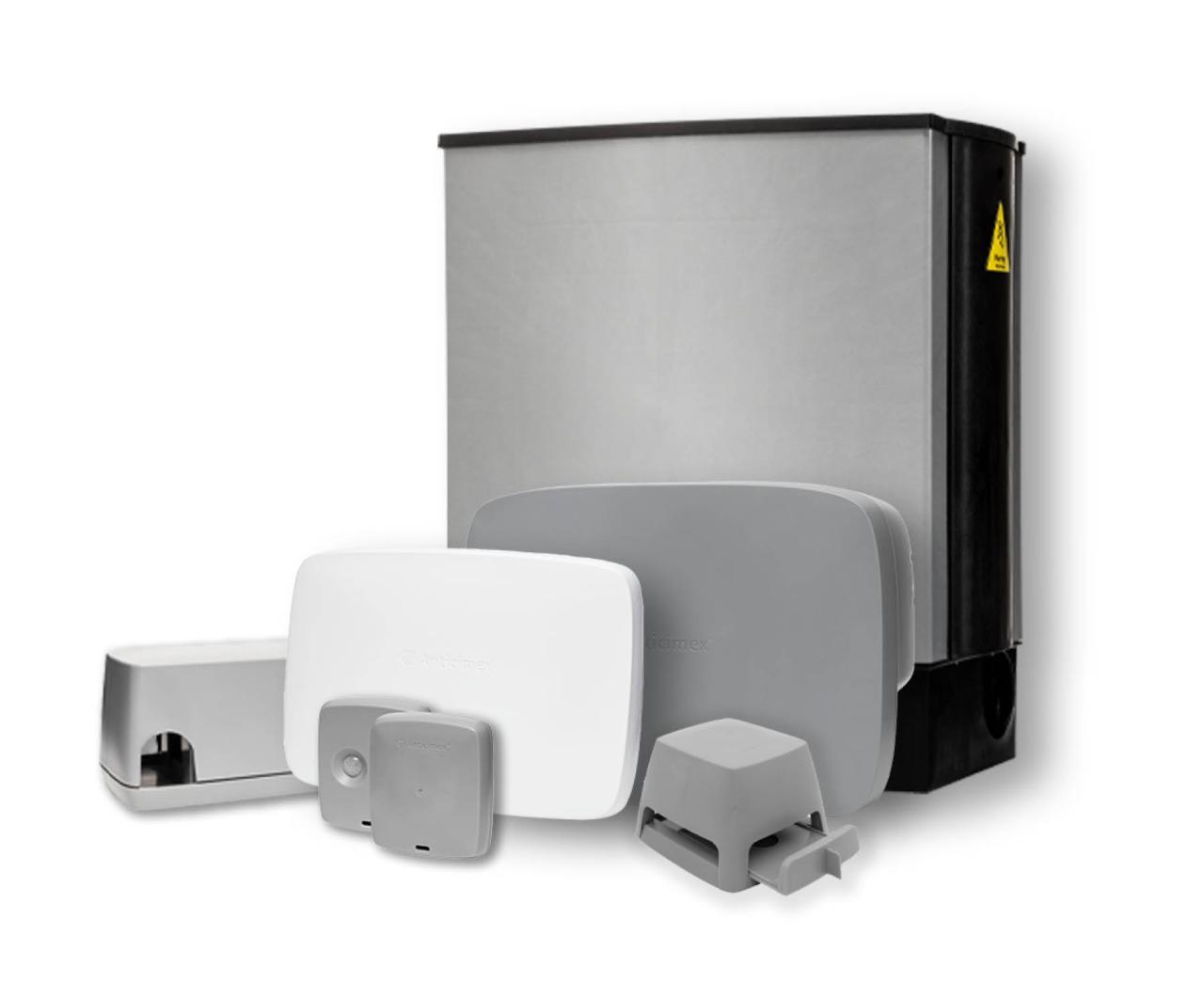
Tailoring smart pest deterrent strategies to specific pests is crucial for optimal effectiveness. Different pests have unique behaviors, vulnerabilities, and preferred environments. A one-size-fits-all approach is unlikely to yield the desired results. Understanding these differences allows for the selection of the most appropriate smart devices and configurations.Smart devices can be customized to target specific pest behaviors, using various methods such as visual deterrents, sonic repellents, or even targeted chemical releases.
This approach increases the chances of successful pest control, while minimizing potential harm to the environment and surrounding ecosystem.
Rodent Deterrents
Rodents, such as mice and rats, are often attracted to food sources, water, and shelter. Smart devices targeting these needs are increasingly effective. Motion-activated ultrasonic devices, for example, can disrupt rodent communication patterns and deter them from areas. Infrared motion sensors paired with automated sprinklers can also act as a deterrent, surprising and deterring them from specific locations.
Bait stations with integrated smart sensors can monitor bait consumption and trigger alerts if activity slows down, indicating a potential problem.
Insect Deterrents
Insects, including ants, mosquitoes, and cockroaches, have different sensitivities to environmental stimuli. Smart traps, often using UV light or pheromone traps, can attract and capture specific insects. Automated spray systems can also be used for localized insect control, triggered by motion sensors detecting their presence. These devices are often effective for specific insect species and are usually deployed strategically in high-traffic areas.
Bird Deterrents
Birds can be a nuisance in gardens and agricultural areas. Smart devices using visual deterrents, such as strategically placed motion-activated sprinklers or reflective strips, can disrupt their natural behavior and deter them from sensitive areas. Ultrasonic devices emitting high-frequency sounds can also cause discomfort and drive them away. These deterrents are often deployed in conjunction with other pest control measures.
Comparative Effectiveness of Smart Devices
The effectiveness of smart devices against various pests varies considerably. Ultrasonic deterrents, for example, are more effective against rodents and some insects than against birds. Visual deterrents are more successful for birds, while chemical repellents, often delivered by smart devices, are effective against insects in certain contexts. The best strategy usually involves a combination of methods, tailored to the specific pest and environment.
Recommended Smart Device Types for Different Pests
| Pest Type | Recommended Smart Device Type | Explanation |
|---|---|---|
| Rodents (Mice, Rats) | Motion-activated ultrasonic devices, Infrared motion sensors with automated sprinklers, Smart bait stations | These devices target rodent communication, disrupt their comfort, or monitor bait consumption for timely intervention. |
| Insects (Ants, Mosquitoes, Cockroaches) | Smart traps (UV light, pheromone traps), Automated spray systems triggered by motion sensors | These devices target specific insect attractants or trigger automatic responses when insects are detected. |
| Birds | Motion-activated sprinklers, Reflective strips, Ultrasonic deterrents | These devices create disturbances or discomfort to discourage birds from the area. |
Integration with Home Automation Systems
Smart pest deterrents are increasingly being integrated with home automation systems, creating a more unified and efficient control system for managing pests and the overall home environment. This integration allows for automated responses to pest activity and tailored adjustments to deterrent strategies, providing homeowners with a more comprehensive and user-friendly experience.Home automation systems, such as those based on platforms like Google Home, Amazon Alexa, or Apple HomeKit, are capable of seamlessly integrating with a wide range of smart devices, including pest deterrents.
This connection enables automated control and adjustments based on pre-programmed settings or real-time monitoring of pest activity. The result is a streamlined and often more effective approach to pest management.
Integration Process
The integration of smart pest deterrents with home automation hubs typically involves a few key steps. First, the pest deterrent device needs to be compatible with the chosen home automation platform. Second, the device connects to the home automation hub through Wi-Fi or a similar network connection. Finally, the user establishes rules and triggers within the home automation system to activate the pest deterrent based on predetermined conditions or sensor data.
These steps ensure a smooth integration and enable effective control over pest deterrents within the overall home environment.
Benefits of Integration
Integrating smart pest deterrents with home automation systems offers numerous benefits, including:
- Enhanced User Convenience: Automated adjustments based on pest activity and pre-set schedules significantly reduce the need for manual intervention. Users can simply set up the desired settings and let the system handle the rest.
- Improved Efficiency: Automated responses to pest activity, such as adjusting deterrent intensity or activating traps, can minimize pest infestations and prevent damage. This efficiency translates into lower maintenance costs and less disruption to daily routines.
- Unified Control System: Integrating pest deterrents into the broader home automation system allows for a holistic approach to managing the home environment. The system can adapt to various needs and conditions, providing a more unified control system.
- Reduced Labor Costs: Automated systems minimize the need for constant monitoring and manual adjustments, resulting in potential labor cost savings for homeowners. This is particularly useful for pest deterrents that require regular adjustments or maintenance.
Example Integration Flowchart
The flowchart above illustrates a simplified process for integrating a smart pest deterrent with a home automation hub (e.g., Google Home). The user establishes triggers and rules within the home automation system to control the pest deterrent based on various factors. This automated system responds to detected pest activity or predefined schedules, leading to a unified and efficient pest management strategy.
Automation Features
Smart pest deterrents integrated with home automation systems often feature automation capabilities. These systems can:
- Schedule deterrents: Program the pest deterrent to activate at specific times of the day or week, ensuring consistent pest control.
- Trigger responses: Activate the pest deterrent based on sensor data, such as motion detectors or temperature changes. This can create proactive responses to potential pest activity.
- Adjust intensity: Automatically adjust the intensity of the deterrent based on pest activity or environmental factors.
- Monitor pest activity: Track and monitor pest activity in real-time, providing insights into pest patterns and enabling proactive interventions.
Environmental Impact of Smart Devices
Smart pest deterrents, while offering convenient solutions, introduce considerations regarding their environmental footprint. Understanding the energy consumption, waste generation, and potential noise pollution associated with these devices is crucial for responsible adoption. This section delves into the sustainability aspects of different types of smart pest deterrents, providing a comparative analysis of their environmental impact.The environmental impact of smart pest deterrents extends beyond the immediate use of the devices themselves.
Factors like the manufacturing process, material sourcing, and eventual disposal all contribute to the overall sustainability of these technologies. Careful consideration of these factors can lead to more environmentally responsible choices in pest control.
Energy Consumption and Waste Production
Understanding the energy demands of smart pest deterrents is vital to assess their environmental impact. Different technologies vary significantly in their energy consumption. Ultrasonic devices generally require less power than those using heat or light. Electric-powered repellents draw energy from the grid, potentially contributing to greenhouse gas emissions depending on the local energy mix. Battery-powered options, while potentially reducing grid dependence, introduce the issue of battery disposal and the potential for harmful materials within the batteries.
Proper recycling and disposal protocols are crucial.
Sustainability Aspects
The sustainability of smart pest deterrents encompasses the materials used in their construction, the manufacturing processes, and the potential for long-term functionality. Devices employing recycled materials and using energy-efficient components contribute to a more sustainable solution. The durability of the device also plays a role, as a longer lifespan reduces the need for frequent replacements and minimizes the overall environmental impact.
Noise Pollution and Wildlife Disturbance
Some smart pest deterrents, particularly those using ultrasonic frequencies, may cause noise pollution, disturbing local wildlife. Ultrasound, while often imperceptible to humans, can potentially affect the hearing and behavior of certain animals. Studies have shown that some animals can be negatively impacted by prolonged exposure to specific frequencies. Carefully considering the potential impact on nearby ecosystems and wildlife is essential when selecting a device.
For instance, ultrasonic devices should be positioned strategically to minimize disturbance to birds, bats, and other animals.
Comparative Analysis of Device Types
| Device Type | Energy Consumption | Waste Production | Noise Pollution Potential | Sustainability Considerations |
|---|---|---|---|---|
| Ultrasonic Repellents | Generally low | Moderate (batteries) | Potentially high, depending on frequency and power | Can be sustainable if using recycled materials and long-lasting components |
| Heat-based Repellents | Moderate to high | Moderate (electronics) | Low | Sustainability depends on energy source and materials |
| Light-based Repellents | Moderate | Moderate (electronics) | Low | Sustainability depends on energy source and materials |
The table above provides a general overview. Specific devices within each category may have different characteristics. Factors like wattage, frequency, and material composition can influence the environmental impact.
Maintenance and Troubleshooting
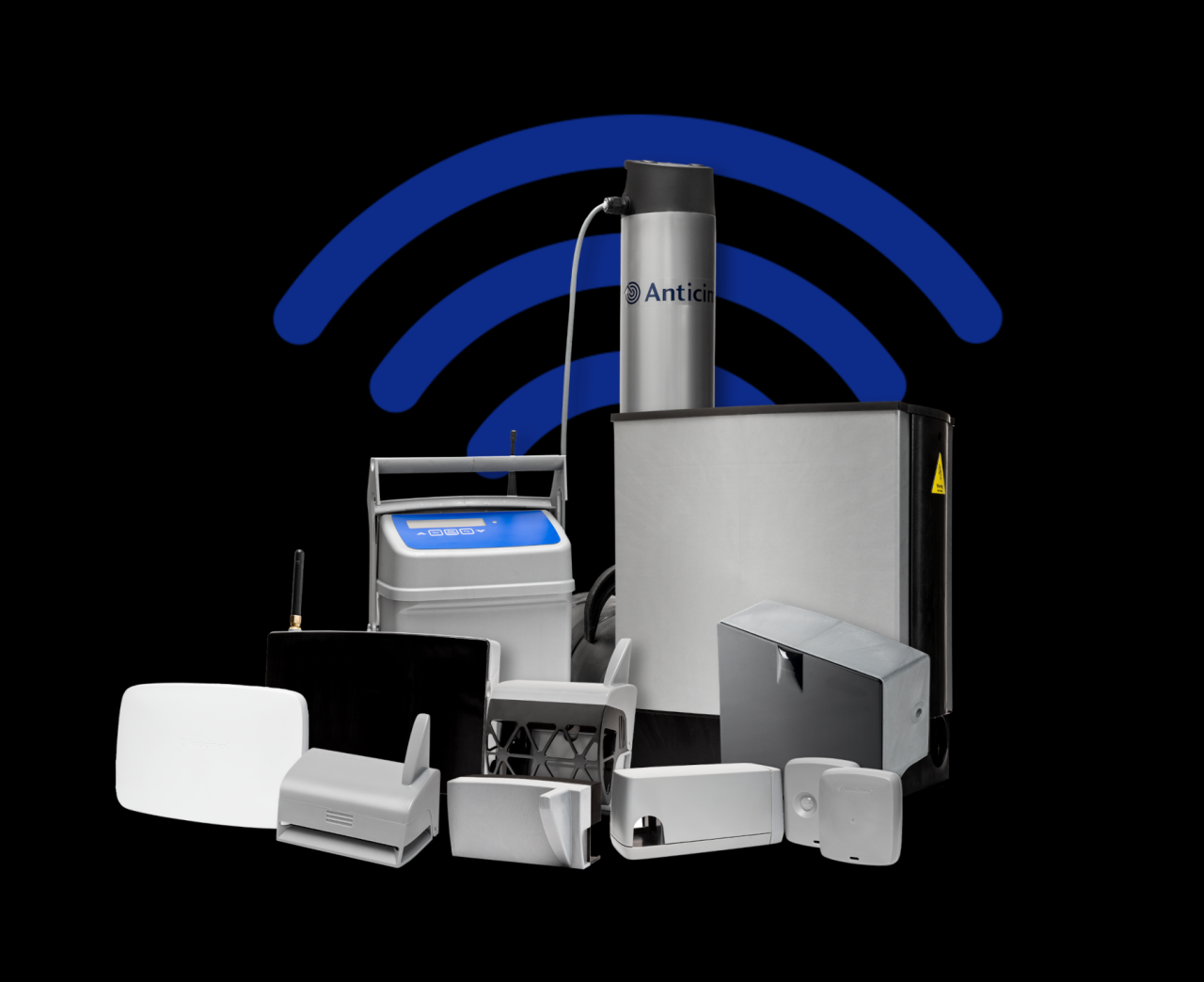
Maintaining smart pest deterrent devices is crucial for their optimal performance and longevity. Regular upkeep ensures the devices operate effectively, deterring pests while minimizing potential issues. Troubleshooting common malfunctions promptly can prevent escalation of problems and maintain the desired pest control outcome. This section Artikels essential maintenance procedures and troubleshooting steps to ensure the continued efficacy of your smart pest deterrent system.
Maintenance Procedures
Regular maintenance is vital for preserving the functionality and extending the lifespan of smart pest deterrent devices. This involves a combination of physical inspections and software updates. A proactive approach to maintenance reduces the risk of malfunctions and ensures consistent pest deterrence.
- Physical Inspection: Regularly inspect the device for any signs of damage, such as cracks, loose connections, or obstructions. Check for proper placement and ensure the device is free from any debris or obstructions that might hinder its functionality. Visual inspection should include the battery or power source, ensuring it’s properly connected and not depleted. Cleaning the device with a soft, dry cloth can remove dust or dirt that might affect its performance.
- Software Updates: Smart pest deterrent devices often require software updates to maintain optimal performance and incorporate new features. These updates can include improved pest detection algorithms, enhanced deterrent strategies, and bug fixes. Staying current with software updates ensures the device remains effective against various pest types and behaviors.
- Battery or Power Source Check: Monitor the battery or power source regularly to prevent unexpected shutdowns. Replace the battery or connect the device to a reliable power source to avoid disruptions in operation.
Troubleshooting Common Issues
This section provides a guide to troubleshooting common issues that might arise with smart pest deterrent devices. Prompt identification and resolution of these issues can prevent further complications and maintain the effectiveness of the system.
| Common Issue | Troubleshooting Steps |
|---|---|
| Device not powering on | Verify power source. Check for loose connections. Ensure battery is fully charged (if applicable). Check for any physical damage. If the problem persists, contact customer support. |
| Device not detecting pests | Ensure device is properly installed and positioned. Check for any obstructions that might hinder detection. Verify the device’s settings are appropriate for the target pest type. Update the device’s software to ensure compatibility and performance. |
| Device emitting deterrent signal intermittently | Inspect the device for any physical damage or loose connections. Verify the power supply and battery levels. Restart the device to resolve potential temporary software glitches. |
| Device experiencing connectivity issues | Check Wi-Fi or Bluetooth connection. Ensure the device is within range of the network. Restart the device and router/access point. If the issue persists, contact your internet service provider. |
Importance of Regular Device Maintenance
Regular maintenance procedures contribute to optimal performance and prolonged lifespan of smart pest deterrent devices. Proactive maintenance significantly reduces the likelihood of malfunctions and ensures consistent pest control. By addressing potential issues promptly, you can minimize disruptions and maintain a consistent pest-free environment.
Case Studies and Examples
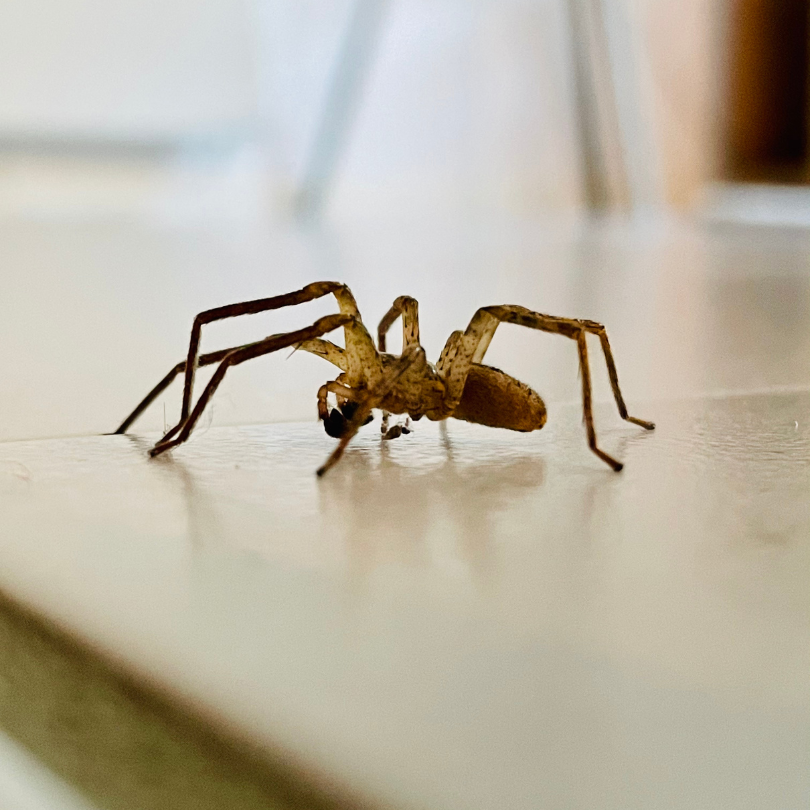
Real-world implementations of smart pest deterrents demonstrate their effectiveness and highlight potential challenges. These case studies provide valuable insights into optimizing installations and maximizing benefits. Understanding successful deployments, along with the encountered obstacles, allows for informed decision-making when considering the implementation of smart pest control systems.
Successful Deployments in Residential Settings
Various residential installations have successfully integrated smart pest deterrents. These systems, often employing ultrasonic or light-based deterrents, have shown promising results in reducing pest populations. Careful consideration of the specific pest type and the environment plays a crucial role in achieving positive outcomes.
“In one residential area, a homeowner reported a 75% reduction in ant activity after installing a smart motion-activated sprinkler system. The system automatically triggered sprinklers in response to detected ant movement, effectively deterring them from accessing food sources.”
Commercial Applications: A Case Study
Smart pest deterrent systems have demonstrated their efficacy in commercial settings. These installations, often targeting insects like rodents and flies, require careful consideration of the environment and potential disruptions to daily operations. The success of such deployments hinges on a thorough understanding of the pest’s behavior and the facility’s layout.
“A large warehouse successfully integrated a thermal imaging system to detect and deter rodents. The system’s ability to identify potential entry points and trigger preventative measures, such as deploying a repellent spray, resulted in a significant decrease in rodent infestations, ultimately preventing costly damage and downtime.”
Pest-Specific Deterrent Strategies
Smart devices offer tailored pest-deterrent strategies. Understanding pest behavior, such as the types of stimuli they respond to, is crucial in achieving effective control. The specific strategy must be aligned with the specific pest and the environment.
- For rodents, motion-activated ultrasonic devices are often effective, disrupting their normal patterns. In contrast, for insects like flies, targeted light-based deterrents can be highly effective.
- Specific pest-control strategies often involve adjusting the intensity and frequency of the deterrent. The appropriate frequency and intensity depend on the specific pest type and the specific environmental conditions.
Integration with Existing Infrastructure
Successful integration of smart pest deterrent systems with existing home or business infrastructure is essential. Smooth operation depends on seamless communication and compatibility with existing automation systems. This integration allows for customized control and reduced manual intervention.
| Device | Pest Targeted | Integration Challenges |
|---|---|---|
| Ultrasonic repeller | Rodents, insects | Potential interference with existing electronics, requiring careful placement |
| Motion-activated sprinkler | Ants, rodents | Water usage concerns, potential damage to plants or outdoor structures |
Environmental Considerations
Environmental impact is a crucial factor in the implementation of smart pest deterrents. The choice of device, its energy consumption, and the potential for chemical usage must be carefully considered. Sustainable practices should be prioritized.
Closure
In conclusion, implementing smart outdoor devices for pest control offers a sophisticated approach to managing unwanted guests. This guide has explored the diverse aspects of these innovative solutions, from their varied functionalities and installation procedures to their integration with home automation systems and environmental impact considerations. By understanding the nuances of each device type and tailoring strategies to specific pest types, homeowners can achieve effective and sustainable pest management solutions.