Unlock the full potential of your smart grill with this comprehensive guide. From understanding the various types and features to mastering precise temperature control, we’ll equip you with the knowledge to throw unforgettable barbecues. This guide covers everything from initial setup and ingredient preparation to advanced techniques and troubleshooting, ensuring your grilling experience is not only delicious but also stress-free.
Learn how to leverage the smart features of your grill, including temperature control, precise timing, and built-in sensors, to achieve perfect results every time. We’ll explore a range of cooking methods and provide helpful tips to ensure your food is cooked to perfection, whether you’re grilling steaks, vegetables, or seafood.
Introduction to Smart Grills
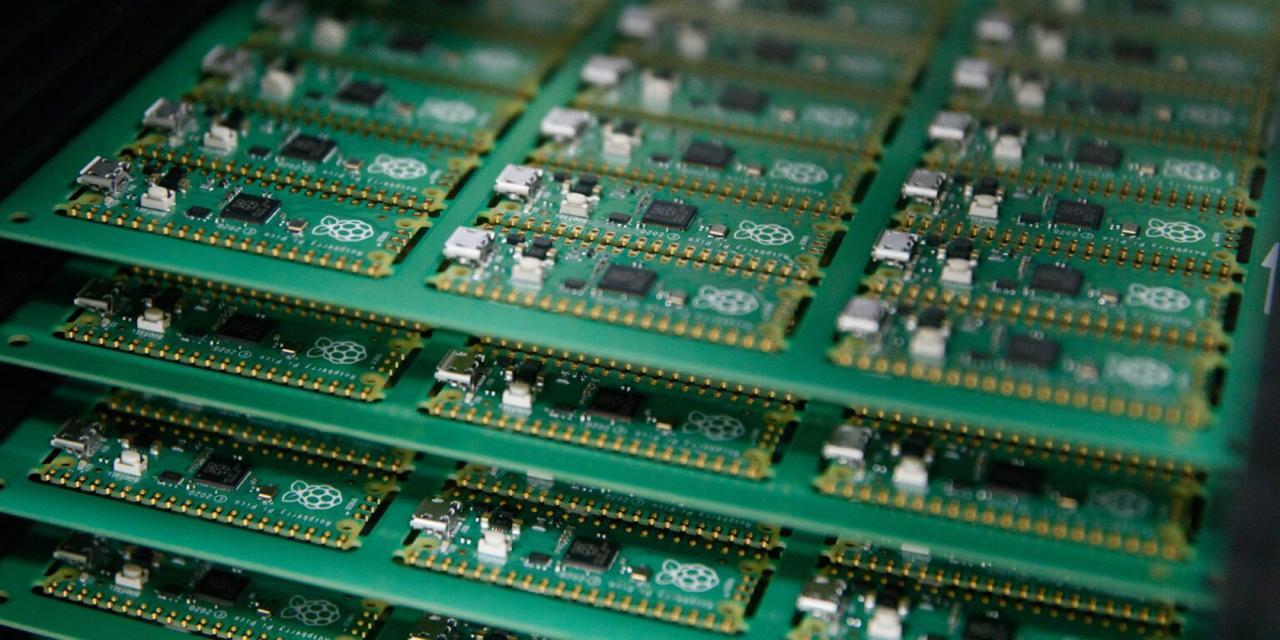
Smart grills are rapidly evolving beyond basic cooking appliances, integrating technology to enhance the barbecuing experience. These intelligent devices offer a range of features designed to optimize cooking processes, providing greater control and precision for home chefs. This evolution is driven by consumer demand for convenient, efficient, and enjoyable outdoor cooking solutions.Smart grills leverage various technologies, including built-in thermometers, wireless connectivity, and automated control systems.
These features allow users to monitor cooking temperatures, adjust settings remotely, and even receive notifications when food is ready. This technological integration not only improves the cooking process but also adds a layer of convenience and safety to the experience.
Types of Smart Grills
Smart grills come in diverse forms, catering to different needs and preferences. Key features vary significantly across different models. Understanding these distinctions can help consumers select the best grill for their specific requirements.
- Network-Connected Grills: These models are equipped with Wi-Fi or Bluetooth connectivity. This allows users to monitor and control the grill remotely from their smartphones or tablets. Users can adjust settings, preheat the grill, and receive alerts about the progress of their food. Many models also offer recipe suggestions or cooking guidance through dedicated apps.
- Grills with Built-in Thermometers: Integrated temperature sensors provide real-time feedback on the cooking process. This ensures consistent results by maintaining precise temperatures, enabling users to cook to their desired doneness. The accuracy of these sensors and their ability to prevent overcooking or undercooking are crucial aspects of the grill’s performance.
- Grills with Automated Controls: These models automate various functions, such as preheating, temperature adjustments, and even the timing of cooking processes. This automation streamlines the barbecuing experience, freeing up users to focus on other aspects of the gathering. The automation features significantly reduce the need for constant monitoring, enhancing the enjoyment of the event.
Benefits of Using Smart Grills
The benefits of incorporating smart grills into your barbecuing routine are substantial. These benefits go beyond mere convenience and extend to improved cooking outcomes and safety measures.
- Improved Cooking Results: Precise temperature control, automated functions, and remote monitoring lead to more consistent and desirable cooking results. This is especially valuable for achieving perfectly cooked meats, vegetables, and other food items.
- Enhanced Safety: Many smart grills feature safety features such as overheat protection and automated shut-off mechanisms. These safeguards help prevent accidents and ensure the safety of the user and the surrounding environment.
- Increased Convenience: Smart grills offer significant convenience through remote control and automation, minimizing user intervention during the cooking process. This feature is particularly helpful for large gatherings or when the user needs to tend to other tasks.
Comparison of Smart Grill Models
The following table provides a comparative overview of different smart grill models, highlighting key features, price ranges, and customer reviews.
| Model | Key Features | Price Range (USD) | Customer Reviews |
|---|---|---|---|
| SmartGrill Pro | Wi-Fi connectivity, precise temperature control, automated shut-off | $500-$700 | Generally positive, praising the ease of use and consistent results. Some minor complaints regarding app responsiveness. |
| GrillBot 3000 | Built-in thermometer, remote control, multiple cooking modes | $350-$500 | High customer satisfaction, highlighting the value for the price. Some users noted the need for more comprehensive app features. |
| Chef’s Choice Connect | Network connectivity, recipe suggestions, built-in cleaning system | $700-$900 | Positive reviews emphasizing the innovative features, but some users reported initial setup difficulties. |
Prepping for a Smart Grill BBQ

Proper preparation is key to achieving delicious and even results when using a smart grill. Understanding how to prepare your ingredients and the grill itself will maximize your enjoyment of this modern grilling experience. This involves more than just throwing ingredients on the grill; it’s about optimizing the grilling process for optimal flavor and texture.
Ingredient Preparation for Smart Grilling
Effective ingredient preparation is crucial for success with smart grills. The precise temperature control and other features of these grills allow for more nuanced cooking, demanding a thoughtful approach to ingredient preparation. This includes not only the type of marinade but also the thickness and cut of the meat, as well as the preparation of vegetables.
Marinating Methods for Smart Grills
Marinades are essential for infusing flavor and tenderizing meat, especially for smart grills. They should be applied with sufficient time to allow the flavors to penetrate. For best results, use a marinade that suits the type of meat and desired flavor profile. For example, a simple marinade for chicken might include soy sauce, ginger, garlic, and a touch of honey, while a marinade for steak could use a blend of olive oil, balsamic vinegar, and herbs.
- Meat Marinades: Marinating meat for at least 30 minutes, preferably several hours, allows the flavors to permeate the meat, resulting in a more flavorful and tender product. The marinade should be applied evenly, ensuring that all sides of the meat are coated. The type of marinade depends on the cut and desired flavor profile.
- Vegetable Marinades: Vegetables, too, can benefit from marinades. A simple mixture of olive oil, herbs, and spices can add depth of flavor and prevent vegetables from becoming dry during grilling. The marinating time for vegetables is typically shorter than for meat, ranging from 15 minutes to an hour.
- Other Food Marinades: Marinades can be adapted for various other foods, such as tofu or fish. A marinade for tofu might involve soy sauce, cornstarch, and spices, while a marinade for fish could use lemon juice, herbs, and a touch of olive oil.
Smart Grill Preparation
Proper preparation of the smart grill itself is critical to achieving consistent and delicious results. This involves cleaning, preheating, and setting the correct cooking parameters.
- Cleaning: Thoroughly clean the grill grates and any other surfaces before each use. This prevents residue buildup, which can affect the flavor and cooking quality of your food. Using a grill brush and appropriate cleaning agents will ensure that the grill is clean and ready for use.
- Preheating: Preheating the smart grill is important for consistent temperature control and even cooking. Allow the grill to preheat to the desired temperature before adding food. The preheating time will vary depending on the model of the grill and the desired cooking temperature.
- Temperature Setting: Select the appropriate cooking temperature based on the food being grilled. Consult the grill’s manual for specific recommendations for different types of food.
Cleaning and Maintenance
Regular cleaning and maintenance are crucial for ensuring the long-term performance and longevity of your smart grill. This includes periodic deep cleaning to remove built-up debris.
- Regular Cleaning: Regular cleaning of the grill grates and other surfaces will prevent the buildup of food particles, grease, and debris. This can be done after each use, using a grill brush or appropriate cleaning solutions.
- Deep Cleaning: Deep cleaning is recommended periodically, such as every few months or as needed. This involves a more thorough cleaning of the grill’s components to remove accumulated grease and food particles, ensuring optimal performance and extending the life of the smart grill.
- Storage: Proper storage of the grill is crucial for maintaining its condition. Follow the manufacturer’s instructions for storing the grill, including covering it when not in use. This prevents damage and rusting.
Grilling Recipes for Smart Grills
The following table presents a variety of grilling recipes suitable for smart grills, along with their estimated preparation and grilling times.
| Recipe | Ingredients | Preparation Time (mins) | Grilling Time (mins) |
|---|---|---|---|
| Grilled Salmon with Lemon-Herb Butter | Salmon fillets, lemon, herbs, butter | 10 | 8-10 |
| Grilled Chicken Skewers with BBQ Sauce | Chicken pieces, vegetables, BBQ sauce | 15 | 12-15 |
| Grilled Steak with Garlic Butter | Steak, garlic, butter | 5 | 6-8 |
| Grilled Vegetables with Balsamic Glaze | Various vegetables, balsamic glaze | 10 | 10-15 |
Controlling the Smart Grill

Mastering your smart grill’s intuitive interface allows for precise control over cooking temperatures and methods, ensuring consistent results every time. The app or dedicated interface typically features a digital display for setting and monitoring temperatures. This level of control is a significant improvement over traditional grills, offering a more sophisticated and predictable cooking experience.Precise temperature control is key to achieving desired cooking outcomes.
The interface typically allows you to set the grill’s temperature to a specific degree, ensuring consistent heat throughout the cooking process. This feature is particularly useful for grilling techniques requiring specific temperatures, such as searing or smoking.
Temperature Control and Settings
The smart grill’s temperature control is generally straightforward. Users can input desired temperatures directly into the app or interface. A digital display provides real-time feedback on the grill’s current temperature, enabling adjustments as needed. Many models feature pre-programmed settings for common cooking methods, simplifying the process further.
Cooking Methods
Smart grills excel at a variety of cooking techniques. Searing, grilling, and smoking are all achievable with the proper temperature control and the grill’s built-in features. The digital interface often includes dedicated modes for each technique. For instance, the searing mode may automatically adjust the temperature to a higher setting for rapid browning, while the smoking mode can maintain a lower temperature for a longer period, ideal for achieving tender, smoky flavors.
Monitoring Food Internal Temperature
Monitoring the internal temperature of food is crucial for achieving optimal doneness and safety. Smart grills often integrate a thermometer function, allowing you to insert a probe directly into the food. The app or interface displays the internal temperature in real-time, providing a clear indication of the food’s readiness. This feature ensures consistent results and prevents undercooked or overcooked food.
Optimal Cooking Times
Consistent cooking times are essential for achieving desired results. The app or interface may provide estimated cooking times based on food type and thickness. However, these are just estimates, and the actual cooking time may vary depending on factors such as the food’s initial temperature and the specific model of the smart grill. It’s vital to use the probe thermometer to confirm the internal temperature of the food.
Cooking Time Table
| Food Type | Thickness (inches) | Estimated Cooking Time (minutes) |
|---|---|---|
| Steaks (Beef) | 1 | 4-6 |
| Steaks (Beef) | 1.5 | 6-8 |
| Chicken Breast | 0.75 | 8-10 |
| Chicken Breast | 1 | 10-12 |
| Salmon Filets | 0.5 | 4-6 |
| Salmon Filets | 0.75 | 6-8 |
Note: These are approximate times and may vary based on the specific smart grill model and the desired level of doneness.
Achieving Perfect Results with Smart Grills

Smart grills offer a promising approach to barbecuing, automating various aspects of the cooking process. Understanding their capabilities and limitations, alongside practical tips, can significantly enhance the quality of your outdoor cooking experience. This section delves into comparing smart grill performance to traditional grills, highlighting advantages and disadvantages for different types of barbecue, and providing troubleshooting guidance.Cooking results on smart grills often differ from traditional grills, primarily due to the precise temperature control and automated functions.
Smart grills can maintain consistent temperatures, leading to more even cooking and reduced chances of over or undercooking. However, the lack of direct interaction with the cooking process might require a learning curve to achieve optimal results.
Comparison of Cooking Results
Traditional grills rely on visual and tactile cues for temperature management, often leading to inconsistencies in cooking. Smart grills, equipped with sensors and algorithms, maintain precise temperature control, resulting in more predictable and even cooking, especially for foods requiring consistent heat. This precision is particularly useful for achieving perfectly seared steaks or uniformly cooked vegetables.
Advantages and Disadvantages of Smart Grills for Specific Barbecue Types
Smart grills offer significant advantages for various barbecuing methods. For example, they excel at maintaining consistent temperatures for longer cooks like roasts or slow-smoked meats. Their precise temperature control also allows for optimal grilling of delicate foods such as fish or vegetables. However, some complex techniques, such as creating specific smoke rings on meats, might be more challenging to replicate on a smart grill due to the lack of direct control over the smoke generation process.
Tips and Tricks for Achieving Perfect Barbecue Experiences
Careful preparation is crucial for achieving perfect results on any grill. Ensure your smart grill is properly preheated to the desired temperature before adding food. Using the grill’s built-in timers and temperature settings can significantly streamline the process. Experimenting with the various cooking modes provided by your smart grill can help discover the best settings for your preferred dishes.
Don’t be afraid to adjust cooking times based on the thickness and type of food. For instance, thicker cuts of meat may require longer cooking times, even with precise temperature control.
Troubleshooting Common Issues
Smart grills, like any complex device, can encounter issues. Understanding common problems and their solutions is crucial for a smooth cooking experience. One frequent issue is inconsistent temperature readings, which could be attributed to inaccurate sensor readings, dirty sensors, or improper calibration.
Table of Common Smart Grill Problems and Solutions
| Problem | Possible Solution |
|---|---|
| Inconsistent Temperature Readings | Clean the sensors thoroughly. Ensure the grill is properly leveled. Check for obstructions around the sensor. Recalibrate the grill’s temperature control if available. |
| Grill Not Heating Up | Verify that the power cord is securely plugged in. Check for any tripped circuit breakers or fuses. Ensure that the grill is properly installed and leveled. |
| Food Sticking to the Grill Grates | Pre-heat the grill grates to the appropriate temperature. Ensure the food is not placed on the grill grates too early. Use cooking spray or oil to prevent sticking. |
| Grill Display Shows Error Codes | Consult the grill’s user manual for specific error codes and their corresponding solutions. Contact customer support if the issue persists. |
Advanced Smart Grill Techniques

Smart grills offer a plethora of advanced features beyond basic grilling. Mastering these techniques allows for greater precision and control, leading to consistently delicious results. Leveraging the built-in sensors and controls, combined with the right application of the provided features, empowers you to achieve a variety of grilling styles with ease.Understanding and implementing these advanced techniques enhances your grilling experience, making your smart grill more than just a cooking appliance – it becomes an extension of your culinary expertise.
Utilizing Smart Grill Sensors and Controls
Smart grills are equipped with advanced sensors that monitor temperature, moisture, and other critical parameters. This real-time feedback enables precise control over the cooking process, preventing overcooking or undercooking. By understanding how to interpret these sensor readings, you can tailor your cooking approach for specific dishes. The display and app will typically provide you with the current temperature, estimated cooking time, and other relevant information.
This information, when combined with the features of your specific grill, enables the user to anticipate and make adjustments as needed, ensuring optimal results.
Achieving Different Grilling Styles
Smart grills facilitate a range of grilling styles, from the classic direct grilling to the more nuanced indirect and low-and-slow methods.
- Direct Grilling: This method involves placing food directly over the heat source. Smart grills allow precise control over the heat zone, enabling you to achieve the desired sear and crispiness. For example, steak or burgers benefit from direct heat for proper char and flavor development.
- Indirect Grilling: This method involves cooking food away from the direct heat source, often utilizing the indirect heat zones or using a combination of indirect and direct heat zones. This approach is ideal for foods that require even cooking, like roasts or vegetables. Smart grills often offer the ability to adjust the temperature and fan settings for consistent indirect heat distribution.
- Low and Slow Cooking: This technique involves maintaining a low temperature for extended periods, ideal for meats like pulled pork or brisket. Smart grills can maintain a consistent low temperature and provide alerts to ensure the food is cooked thoroughly without drying out. The precision temperature control is critical for achieving the desired tender texture and rich flavor associated with this method.
Using the Smart Grill App for Remote Monitoring and Control
Many smart grills integrate with smartphone apps. These apps offer remote monitoring and control, allowing you to adjust settings, monitor cooking progress, and receive alerts, all from the convenience of your phone.
- Remote Monitoring: The app allows you to monitor the grill’s temperature, cooking time, and other relevant data, even when you’re not present. This is particularly useful for tasks like preheating or keeping food warm.
- Remote Control: The app often enables you to adjust cooking parameters, such as temperature and cooking time, from a distance. This feature is especially helpful for complex grilling methods or when you need to make quick adjustments while away from the grill.
Preparing a BBQ using a Smart Grill
Preparing a delicious barbecue using a smart grill is straightforward and efficient. Let’s prepare a Grilled Salmon with Asparagus using a smart grill.
- Preparation: Preheat the smart grill to the recommended temperature for salmon (typically around 400°F). Prepare the salmon fillets with your preferred seasoning and the asparagus spears, ensuring they are ready for grilling. Verify that your chosen grill temperature and settings are appropriate for the food and cooking style you have selected.
- Placement: Place the salmon fillets and asparagus on the grill grate, ensuring proper spacing to allow for even cooking. Refer to the grill’s app for recommended cooking times based on your chosen temperature settings.
- Monitoring: Use the app to monitor the cooking process and adjust temperature settings if necessary. Observe the grill’s sensor readings and adjust accordingly for desired doneness.
- Completion: Once the salmon is cooked to your desired doneness (internal temperature of 145°F), remove it from the grill and serve immediately. Allow the asparagus to finish cooking on the grill. Confirm that the internal temperature of the asparagus is adequate before removing it.
Safety and Maintenance of Smart Grills
Proper safety and maintenance are crucial for enjoying delicious barbecues while minimizing risks and ensuring the longevity of your smart grill. Understanding the specific precautions and procedures for your model will contribute to a safe and enjoyable grilling experience. This section will Artikel essential safety measures, maintenance schedules, and storage guidelines for optimal performance and safety.
Safety Precautions When Using a Smart Grill
Smart grills, with their advanced features and digital controls, require a mindful approach to safety. Always follow the manufacturer’s instructions for safe operation and usage. This includes verifying the grill is positioned on a stable, level surface and is a safe distance from flammable materials, such as wood decks or overhanging branches. Ensure proper ventilation is maintained, particularly in enclosed spaces.
Safe Operation and Maintenance Procedure
Adhering to a consistent maintenance schedule is vital for preventing potential hazards and maximizing the lifespan of your smart grill. A comprehensive maintenance procedure is essential to prevent unexpected issues. Regular inspections are necessary to ensure the grill is in proper working order. This includes checking the gas supply lines, the electrical connections, and the structural integrity of the grill.
Inspect the burners, ensuring they are clean and properly aligned.
Proper Storage of the Smart Grill
Storing your smart grill properly is critical to its longevity and safety. After each use, ensure the grill is completely cooled down before storing. Allowing the grill to cool completely prevents damage to the internal components and reduces the risk of burns. Store the grill in a dry, well-ventilated area, away from direct sunlight and extreme temperatures.
Cover the grill with a protective cover to safeguard it from dust, moisture, and debris.
Importance of Regular Maintenance for Optimal Performance and Longevity
Regular maintenance tasks are essential for maintaining optimal performance and extending the lifespan of your smart grill. Routine cleaning and inspections, as Artikeld in the user manual, are key to maintaining safety and ensuring efficient operation. This includes cleaning the cooking grates, the burners, and the interior of the grill. This prevents build-up of food debris and grease, which can potentially lead to fire hazards and decreased performance.
Important Safety Reminders When Using a Smart Grill
To guarantee a safe grilling experience, keep these safety reminders in mind:
- Always supervise the grill, especially when using high heat settings or with children nearby.
- Never leave the grill unattended, especially when using gas.
- Ensure the grill is properly grounded and all electrical connections are secure.
- Keep flammable materials, such as paper, wood, and clothing, away from the grill.
- Use caution when handling hot surfaces and tools.
- Store propane tanks in a cool, well-ventilated area, away from direct sunlight and heat sources.
- Follow manufacturer’s instructions for safe handling of propane and other fuels.
- Immediately report any unusual sounds or smells emanating from the grill.
- Ensure proper ventilation when using the grill indoors or in confined spaces.
Recipes and Ideas for Smart Grill Cooking
Smart grills offer a convenient and efficient way to prepare delicious meals. Their precise temperature control and automated functions allow for consistent results, even for novice cooks. This section delves into a variety of recipes designed for smart grills, highlighting the nutritional advantages and versatility of this cooking method.Smart grills provide a controlled cooking environment, allowing for better preservation of nutrients compared to traditional grilling methods.
The consistent heat and precise temperature settings prevent overcooking, which can lead to the loss of vitamins and minerals. Furthermore, the ability to monitor and adjust cooking times and temperatures precisely ensures that the food reaches its optimal tenderness and flavor.
Seafood Grilling on Smart Grills
Smart grills excel at preparing diverse seafood. The controlled heat and consistent cooking time ensure that the seafood is cooked evenly and retains its delicate flavor and texture. Maintaining the right internal temperature is critical for preventing overcooking, a common concern with seafood. Smart grills, with their precise temperature regulation, address this effectively. The ability to grill different seafood varieties, from delicate fish fillets to succulent shrimp, is simplified with the precision offered by these appliances.
- Grilled Salmon with Lemon-Herb Butter: Marinate salmon fillets in a mixture of lemon juice, herbs (dill, parsley), and melted butter. Place on the preheated smart grill and cook to an internal temperature of 145°F (63°C). Serve with a side of roasted asparagus and quinoa.
- Shrimp Skewers with Mango Salsa: Thread shrimp onto skewers with chunks of mango, red onion, and bell pepper. Grill until the shrimp turns pink and opaque, and the vegetables are tender. A light drizzle of lime juice and a sprinkle of cilantro adds a refreshing touch. This is a great appetizer or light meal.
Poultry Grilling on Smart Grills
Smart grills allow for even cooking of poultry, reducing the risk of under or overcooking. The precise temperature control ensures the internal temperature reaches the safe minimum, eliminating the need for constant monitoring. Using smart grills for poultry allows for consistent preparation of various cuts, from chicken breasts to whole chickens, ensuring optimal results.
- Grilled Chicken Breast with Balsamic Glaze: Season chicken breasts with salt, pepper, and herbs. Grill until the internal temperature reaches 165°F (74°C). Baste with balsamic glaze during the last few minutes of cooking for a sweet and tangy flavor.
- Grilled Chicken Kebabs with Mediterranean Spices: Marinate bite-sized pieces of chicken in a mixture of olive oil, lemon juice, oregano, thyme, and garlic. Thread onto skewers with cherry tomatoes, zucchini, and red onion. Grill until the chicken is cooked through and the vegetables are tender.
Vegetable Grilling on Smart Grills
The ability of smart grills to maintain precise temperatures makes them ideal for grilling vegetables. The controlled heat prevents burning and ensures that vegetables retain their natural sweetness and nutrients. The cooking times vary depending on the thickness and type of vegetable.
- Grilled Corn on the Cob with Chili-Lime Butter: Brush corn on the cob with chili-lime butter. Grill until the kernels are tender and slightly charred. Serve immediately.
- Grilled Asparagus with Parmesan: Toss asparagus with olive oil, salt, and pepper. Grill until tender-crisp and slightly charred. Sprinkle with grated Parmesan cheese before serving.
Recipe Table
| Recipe | Estimated Cooking Time (minutes) |
|---|---|
| Grilled Salmon with Lemon-Herb Butter | 5-7 |
| Shrimp Skewers with Mango Salsa | 4-6 |
| Grilled Chicken Breast with Balsamic Glaze | 8-10 |
| Grilled Chicken Kebabs with Mediterranean Spices | 10-12 |
| Grilled Corn on the Cob with Chili-Lime Butter | 6-8 |
| Grilled Asparagus with Parmesan | 4-5 |
Note: Cooking times may vary depending on the specific smart grill model and the thickness of the food. Always use a meat thermometer to ensure food is cooked to a safe internal temperature.
Outcome Summary
In conclusion, this guide has provided a comprehensive overview of smart grill technology, equipping you with the knowledge and skills to master the art of grilling with precision and ease. From preparing your ingredients to achieving perfect results, we’ve covered every aspect of the process. By understanding the nuances of smart grill operation and following our expert advice, you can confidently embark on your next grilling adventure, assured of a delicious and satisfying experience.