Transform your outdoor watering routine with a smart sprinkler system. This comprehensive guide walks you through the process, from initial planning to ongoing maintenance. Learn how to choose the right system, install it effectively, and program it for optimal performance, ensuring your lawn receives the precise amount of water it needs, at the perfect time. Save water, time, and effort by taking control of your landscape irrigation.
Discover the advantages of automated irrigation, from reduced water waste to enhanced convenience. Explore the various components, their functions, and the steps to seamlessly integrate a smart sprinkler system into your home. This guide provides a clear and concise approach, enabling you to achieve a beautiful and thriving landscape.
Introduction to Smart Sprinkler Systems
Smart sprinkler systems are a significant advancement in landscape irrigation, offering numerous advantages over traditional, manually-operated systems. These systems leverage technology to optimize water usage, enhance scheduling, and provide greater control over irrigation. By automating the watering process, smart systems can save water, reduce energy consumption, and potentially lower your overall water bill.Traditional sprinkler systems rely on fixed schedules, often failing to account for varying weather conditions and soil moisture levels.
Smart systems address these limitations by incorporating sensors and advanced algorithms, ensuring precise and efficient watering. This results in healthier lawns and gardens, while minimizing water waste.
Key Components of a Smart Sprinkler System
Smart sprinkler systems typically consist of several key components that work together to provide automated and efficient irrigation. Understanding these components is essential for selecting the right system for your needs. These include:
- Smart Controller: The central hub of the system, managing the timing and operation of the sprinklers.
- Sprinkler Valves: These valves regulate water flow to individual zones or sections of the yard.
- Sensors (Soil Moisture or Weather): These sensors monitor soil moisture or weather conditions to determine when watering is needed. This automation can improve water conservation significantly.
- Wireless Communication Modules: These modules enable communication between the controller and the various components, ensuring seamless operation. These modules use radio waves, and in some cases, cellular connectivity, to transmit data.
- Rain Sensors: These sensors detect rainfall and prevent the system from watering when it’s already raining.
- Timers (Optional): Some smart systems also incorporate timers for additional scheduling control.
Types of Smart Sprinkler Controllers
Different types of smart sprinkler controllers cater to varying needs and budgets. Understanding the available options is crucial for making an informed decision.
- Wi-Fi-based Controllers: These controllers connect to your home Wi-Fi network for remote access and control through smartphone apps. This enables users to adjust watering schedules and monitor system performance from anywhere.
- Cellular-based Controllers: These controllers connect to a cellular network for reliable operation, even in areas with limited or unreliable Wi-Fi coverage.
- Zoned Controllers: These controllers allow for independent watering of different zones within your landscape, enabling precise watering based on specific plant needs.
- Combination Controllers: Some controllers offer a combination of features like Wi-Fi connectivity, weather-based scheduling, and sensor integration, catering to more demanding applications.
Smart Sprinkler Controller Brands Comparison
The following table provides a comparison of popular smart sprinkler controller brands, highlighting their features and pricing.
| Brand | Features | Price |
|---|---|---|
| SmartSprinklerPro | Wi-Fi connectivity, weather-based scheduling, soil moisture sensors, multiple zone control | $150 – $250 |
| HydroSmart | Cellular connectivity, remote access, rain sensors, advanced scheduling algorithms | $200 – $350 |
| AquaLink | Wi-Fi connectivity, user-friendly interface, multiple programming options, timer functions | $100 – $200 |
| EcoFlow | Combination of Wi-Fi and cellular connectivity, wide range of sensors, compatibility with various sprinkler systems | $250 – $400 |
Planning Your Smart Sprinkler System
Planning a smart sprinkler system requires careful consideration of your property’s unique characteristics. A well-designed system ensures efficient water usage, optimized watering schedules, and a healthy landscape. This section details the key factors to consider, different layout options, and a structured approach to creating a comprehensive sprinkler zone map.Effective irrigation is crucial for maintaining a thriving lawn and landscape.
A customized smart system, tailored to your specific property, can optimize water delivery, reduce waste, and save you money on your water bill.
Factors to Consider in System Design
A successful smart sprinkler system begins with a thorough understanding of your property. Critical factors include property size, landscape features, and water usage patterns. Analyzing these aspects allows for the creation of a tailored system that meets the unique needs of your lawn and garden. For example, a large, sloped yard with multiple plant types will necessitate a more intricate design than a small, flat area with only grass.
Different Sprinkler Zone Layouts
Various zone layouts can be implemented depending on the property’s specific needs and features. A common approach involves dividing the landscape into distinct zones based on plant type and water requirements. This allows for precise control over watering schedules and ensures optimal hydration for each area. For instance, trees and shrubs may require more frequent or deeper watering than grass lawns.
Another layout approach might involve zoning based on the soil type and water absorption rates within different parts of the property.
Creating a Sprinkler Zone Map
A detailed sprinkler zone map is essential for a well-functioning smart system. This map visually represents the layout of your property and identifies the placement of sprinkler heads within each zone. A step-by-step procedure to create such a map includes:
- Property Survey: Thoroughly examine your property, noting the location of trees, shrubs, flowerbeds, and other landscape features. Take measurements and document the layout.
- Zone Identification: Determine the different zones based on plant type and water needs. Consider factors such as soil type and sun exposure.
- Sprinkler Head Placement: Plan the placement of sprinkler heads within each zone, ensuring adequate coverage and avoiding overlapping.
- Map Creation: Create a scaled diagram of your property, marking the boundaries of each zone and the location of each sprinkler head. Label each zone clearly. This can be done digitally or using graph paper and measurements.
- Review and Refinement: Review the map to ensure comprehensive coverage and proper spacing of sprinkler heads. Refine the map as needed to address any gaps or overlaps.
Sprinkler Head Types: Pros and Cons
The selection of sprinkler heads significantly impacts the effectiveness of your system. Different types offer various benefits and drawbacks, making informed choices essential.
| Sprinkler Head Type | Pros | Cons |
|---|---|---|
| Oscillating | Affordable, covers wide areas, simple to install. | Can create uneven watering patterns, may not be suitable for precise watering, prone to wind interference. |
| Rotating | Provides good coverage and relatively uniform water distribution. | Can be more expensive than oscillating heads, potentially higher water usage. |
| Spray | Precise watering, good for small areas or specific plant types. | Limited coverage, often more expensive, may require more heads for adequate coverage. |
| Drip | Highly efficient water usage, excellent for specific plant watering. | More complex installation, less effective for large areas, may require more maintenance. |
Installation of Smart Sprinkler Components
Installing a smart sprinkler system involves several key steps. Careful planning and execution are crucial for a successful and efficient system. Proper installation ensures the system functions reliably and efficiently, providing optimal water conservation and landscape health.
Necessary Tools and Materials
A comprehensive list of tools and materials is essential for a smooth installation process. This includes various types of pipe cutters, wrenches, drills, and measuring tools. Additionally, you’ll need PVC pipe, fittings, sprinkler heads, valves, and the specific components for your chosen smart controller. Specific requirements vary based on the chosen smart controller and the particular layout of the sprinkler system.
Connecting the Controller to the Water Supply
Before connecting the smart controller, ensure the water supply is turned off at the main valve. This crucial safety measure prevents water damage. Connect the controller to the water supply using appropriate fittings and pipes, following the manufacturer’s instructions meticulously. Properly sealing connections is essential to avoid leaks and ensure the system’s longevity.
Installing Sprinkler Heads and Laying Sprinkler Lines
This step involves careful planning and precise execution. Plan the sprinkler head placement based on your landscape design and desired coverage. Use PVC pipe and fittings to create the sprinkler lines, ensuring proper support and alignment for the sprinkler heads. Consider the type of sprinkler heads needed for different areas, such as those with trees, shrubs, or flowerbeds.
The goal is to provide uniform water distribution across the entire landscape.
Connecting Sensors to the System
Connecting rain and soil moisture sensors is a critical aspect of optimizing water usage. Rain sensors automatically shut off the system when rain is detected, preventing wasted water. Soil moisture sensors measure the moisture level in the soil, activating the system only when necessary. Install sensors according to the manufacturer’s instructions, ensuring proper placement for optimal functionality.
These sensors are essential for optimizing water usage.
Connecting the Smart Controller to the Internet and Mobile App
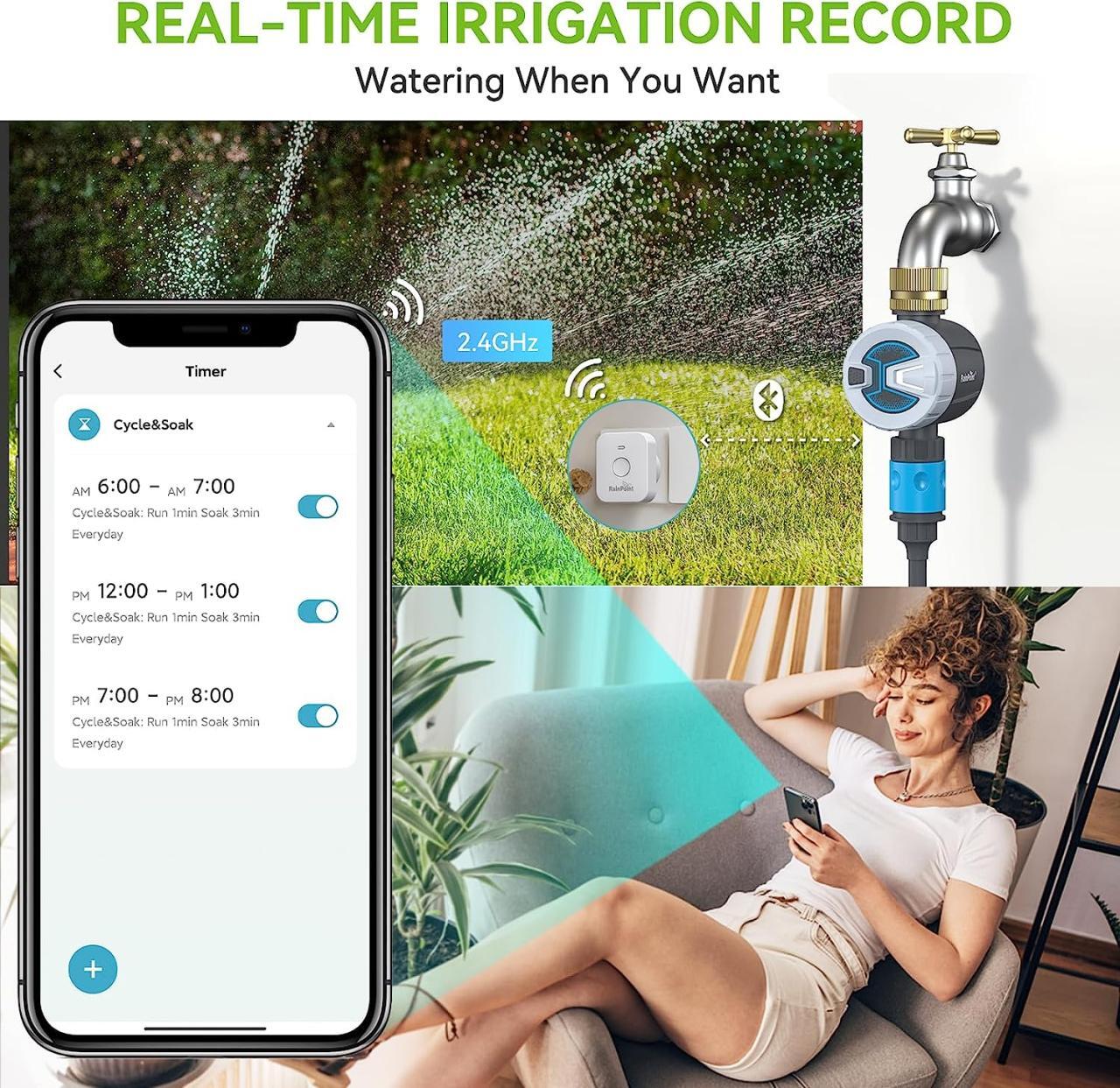
The final step involves connecting the smart controller to your home Wi-Fi network. Ensure the controller is compatible with your internet connection. Once connected, download and install the corresponding mobile app. Follow the app’s instructions for pairing the controller with your account. This allows you to monitor and control the system remotely.
Sprinkler Head Placement Strategies
| Landscape Feature | Sprinkler Head Placement Strategy | Diagram |
|---|---|---|
| Trees | Install sprinkler heads at the drip line (the outer edge of the tree’s root system) to avoid overwatering the trunk and roots. Consider using oscillating sprinkler heads for even coverage. | (Imagine a diagram showing sprinkler heads around the perimeter of a tree.) |
| Shrubs | Place sprinkler heads around the base of shrubs, aiming for even coverage and avoiding water runoff. Consider using rotary sprinkler heads for targeted watering. | (Imagine a diagram showing sprinkler heads around the base of several shrubs.) |
| Flowerbeds | Use a combination of spray or rotor sprinkler heads, positioning them to provide even watering across the flowerbed. Ensure proper spacing to prevent water runoff and overwatering. | (Imagine a diagram showing sprinkler heads evenly spaced across a flowerbed.) |
Configuring the Smart Sprinkler System
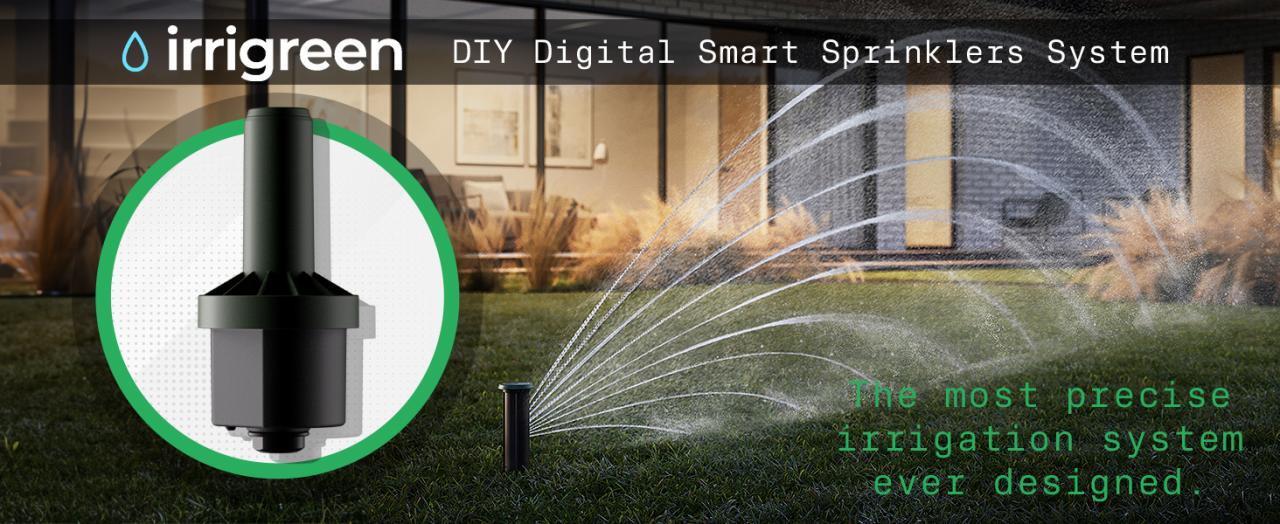
Setting up a precise watering schedule is crucial for optimizing water usage and ensuring healthy plant growth. A well-configured smart sprinkler system allows for automated adjustments based on real-time data, promoting water efficiency and reducing waste. This section details the process of establishing your system’s watering schedule, incorporating environmental factors, and utilizing sensors to maintain optimal plant health.
Establishing the Sprinkler Schedule
A comprehensive watering schedule is essential for efficient water management. This involves defining the frequency and duration of watering cycles for each zone, considering the specific needs of different plants and the local climate. Carefully consider the specific needs of each plant type. A thorough understanding of plant water requirements is vital.
- Defining Watering Zones: Divide your landscape into distinct zones based on plant type and water needs. Different plant types have varying water requirements. For example, newly planted shrubs require more frequent watering than established ones. This ensures each plant receives the appropriate amount of water.
- Setting Watering Cycles: Configure the duration and frequency of watering for each zone. This is crucial for efficient water usage. Consider factors such as plant type, soil type, and climate conditions. Consult local gardening guides for recommended watering schedules.
- Scheduling Watering Events: Program the system to activate watering cycles at specific times. Consider factors like peak sun exposure and potential rainfall to adjust scheduling. Watering during cooler parts of the day minimizes water loss due to evaporation.
Adjusting Watering Times and Frequencies
Optimizing watering times and frequencies is vital for water conservation and plant health. Adapting to weather conditions and plant needs ensures optimal water usage and prevents overwatering or underwatering.
- Weather Monitoring: Incorporate real-time weather data into the system’s scheduling. The system should automatically adjust watering schedules based on predicted rainfall. Using weather forecasts, the system can anticipate rainfall and prevent unnecessary watering.
- Plant-Specific Adjustments: Modify watering schedules based on the specific needs of each plant type. Different plants have different water requirements. Consider factors like plant size, age, and soil type when adjusting schedules. For example, mature trees might need less frequent, longer watering sessions compared to seedlings.
- Soil Moisture Monitoring: Use soil moisture sensors to measure soil moisture levels. The system should automatically adjust watering schedules based on soil moisture readings. This ensures that plants receive water only when necessary.
Configuring Sensors
Sensors are essential for a smart sprinkler system’s responsiveness and efficiency. They allow the system to adapt to real-time conditions, promoting optimal plant health and water conservation.
- Rain Sensors: Configure the rain sensor to detect rainfall. The system should automatically halt watering cycles when rain is detected. This prevents overwatering and conserves water. Proper installation of the sensor is crucial for reliable operation.
- Soil Moisture Sensors: Install soil moisture sensors in different zones. The system should monitor soil moisture levels and adjust watering schedules accordingly. This ensures that plants receive water only when necessary. Ensure that sensors are placed at appropriate depths for accurate readings.
Setting Up Alerts
Implementing alerts is crucial for maintaining a healthy and functioning system. Alerts for low water pressure or system malfunctions allow for prompt action, preventing damage and ensuring efficient operation.
- Low Water Pressure Alerts: Configure the system to alert you if water pressure drops below a certain threshold. This alerts you to potential issues with your water supply.
- Malfunction Alerts: Set up alerts for system malfunctions such as leaks or sensor failures. This helps you identify and resolve issues promptly, preventing further damage and ensuring the continued proper functioning of your system.
Watering Schedules for Various Plant Types
The following table provides a comparison of watering schedules for different plant types. These schedules are general guidelines and may need adjustments based on specific conditions.
| Plant Type | Watering Frequency (days) | Watering Duration (minutes) |
|---|---|---|
| Lawns | 3-4 days | 15-20 minutes |
| Shrubs | 4-7 days | 10-15 minutes |
| Trees | 7-10 days | 20-30 minutes |
| Flowers | 2-3 days | 5-10 minutes |
Monitoring and Maintaining Your System

Maintaining a smart sprinkler system ensures optimal performance and extends its lifespan. Regular monitoring and proactive maintenance are crucial for efficient water usage, preventing damage, and maximizing the system’s effectiveness. This section provides a comprehensive guide to monitoring and maintaining your smart sprinkler system.
Monitoring System Performance
The mobile application provides a wealth of information for monitoring your system’s performance. Real-time data displays current watering schedules, operational status, and any potential issues. Users can easily access historical data to analyze watering patterns and identify areas needing adjustment. This allows for proactive management of water usage and system efficiency.
Importance of Regular Maintenance
Regular maintenance is essential for preventing issues and ensuring long-term system health. Proactive maintenance helps maintain the optimal functioning of the system’s components. This includes checking for leaks, inspecting sensors, and ensuring proper drainage.
Common Issues and Troubleshooting
This section details some common issues and provides troubleshooting steps.
- Clogged nozzles: Clogged nozzles can restrict water flow, leading to uneven watering. Inspect nozzles regularly and clean them if necessary.
- Faulty sensors: Malfunctioning sensors can trigger incorrect watering schedules. Check sensor readings against visual inspection of the area to be watered.
- Power outages: Power outages can disrupt watering schedules. Ensure the system has a backup power source, such as a battery backup or generator.
- Leaks: Leaks can lead to wasted water and potential damage. Inspect the system regularly for any signs of leaks.
Testing Sprinkler System Functionality
A systematic approach to testing ensures the system is functioning as intended. A thorough test verifies the system’s ability to operate correctly.
- Verify schedule settings: Ensure that the scheduled watering times align with your desired watering needs.
- Observe sprinkler head operation: Inspect each sprinkler head to ensure it rotates correctly and water is distributed evenly.
- Check water pressure: Measure water pressure at different points in the system to ensure consistent flow.
- Inspect coverage: Assess the watering area to ensure that all designated zones are receiving water.
Identifying and Resolving Problems
Troubleshooting common problems like leaks or faulty sensors is crucial for maintaining system reliability.
- Leaks: If a leak is detected, immediately shut off the water supply to the affected area. Locate the source of the leak and repair it promptly. A small leak can waste significant amounts of water over time. Examples include damaged pipes, faulty connections, or cracked sprinkler heads. Professional assistance might be required for complex leaks.
- Faulty sensors: If a sensor is malfunctioning, replace it with a new one. Incorrect sensor readings can cause the system to water excessively or insufficiently. Refer to the manufacturer’s instructions for proper sensor replacement procedures.
Smart Sprinkler System Integration with Other Smart Home Devices
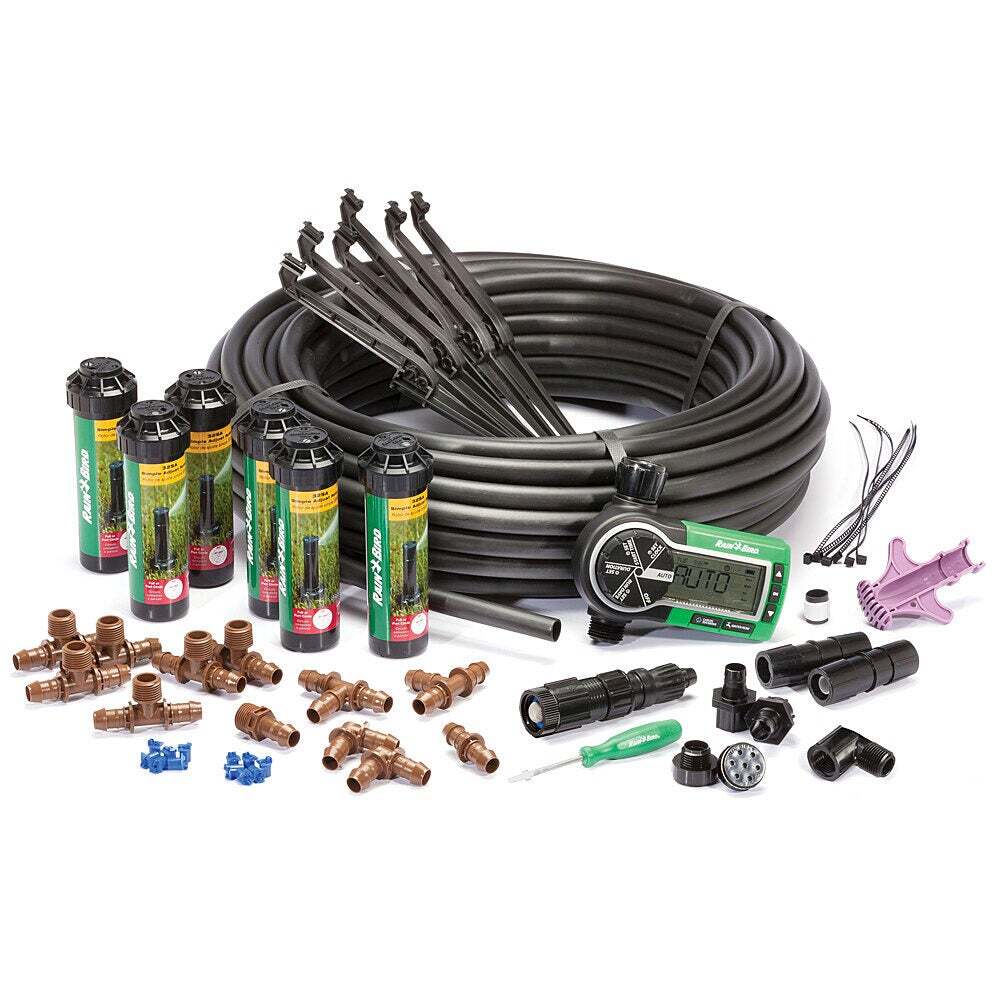
Integrating a smart sprinkler system into your broader smart home ecosystem offers significant advantages. It allows for seamless control and automation, enhancing convenience and efficiency. This integration can be customized to align with your specific needs and preferences, from adjusting watering schedules based on weather conditions to coordinating with other smart home devices.
Connecting with Smart Thermostats and Lights
Smart sprinkler systems can be integrated with smart thermostats and lighting systems for a cohesive smart home experience. This allows for synchronized operations. For example, if your smart thermostat detects a drop in temperature, the sprinkler system can be paused to conserve water. Conversely, smart lights can be programmed to change color when the sprinkler system activates, creating a visually appealing and responsive smart home environment.
Weather Service Integration for Automated Adjustments
Weather conditions significantly influence watering needs. Integrating your smart sprinkler system with a weather service allows for automated adjustments to watering schedules. Real-time weather data enables the system to anticipate and react to changing conditions. If the weather forecast predicts rain, the system can automatically suspend watering. Conversely, if a drought is predicted, the system can increase watering frequency.
This approach maximizes water conservation and optimizes landscape health. A common example of this integration is a system that automatically suspends watering when rainfall is predicted and adjusts the watering time according to the forecast for the coming days.
Scheduling Automation Linked to Other Home Automation Systems
Automated sprinkler scheduling can be further enhanced by linking the system to other home automation platforms. This allows for coordinated operation with smart devices such as smart locks, smart security systems, or smart appliances. For instance, the sprinkler system can be scheduled to activate during periods of low energy consumption or when the home is unoccupied, ensuring efficient and cost-effective operation.
The system can also be programmed to respond to other events, like a smart lock opening to signal a home’s occupancy and potentially alter watering schedules accordingly.
Smart Sprinkler Controller Compatibility Table
This table demonstrates the compatibility of different smart sprinkler controllers with various smart home platforms. This information is crucial for selecting a sprinkler system that seamlessly integrates into your existing smart home setup. Note that compatibility may change, so always verify directly with the manufacturer or retailer.
| Smart Sprinkler Controller | Smart Home Platform Compatibility |
|---|---|
| Controller A | Home Assistant, Amazon Alexa, Google Home |
| Controller B | Apple HomeKit, Samsung SmartThings, IFTTT |
| Controller C | Home Assistant, Amazon Alexa, IFTTT |
| Controller D | Apple HomeKit, Google Home, SmartThings |
| Controller E | Home Assistant, Amazon Alexa, Google Home |
Illustrative Examples of Smart Sprinkler Systems
Smart sprinkler systems are rapidly evolving, offering homeowners advanced control and efficiency in their landscaping. These systems leverage technology to optimize water usage, reduce waste, and ensure consistent watering schedules, even in challenging environments. This section will explore several types of smart sprinkler systems, their features, and real-world applications.
Overview of Different Smart Sprinkler Systems
Different smart sprinkler systems cater to various needs and budgets. The choice depends on factors like desired automation level, landscape size, and the level of integration with other smart home devices. These systems typically utilize sensors, controllers, and software applications to manage irrigation schedules and water usage.
The Basic Smart Sprinkler System
This system typically comprises a programmable controller connected to sprinkler heads. A basic smart system usually incorporates weather sensors, adjusting watering schedules based on rainfall forecasts. The controller communicates with the sprinkler heads via wires or wireless signals. A mobile app allows for remote monitoring and adjustments to the watering schedule. The advantage lies in its affordability and ease of installation.
However, it might lack the sophisticated features of more advanced systems. This approach is suitable for smaller landscapes with relatively predictable weather patterns.
The Advanced Smart Sprinkler System with Soil Moisture Sensors
This upgraded system enhances the basic approach by incorporating soil moisture sensors. These sensors measure the moisture level in the soil, preventing overwatering. By integrating with the controller, the system can adjust watering times based on real-time soil moisture data. The system provides greater precision and efficiency in watering, leading to reduced water waste and healthier plants.
However, the cost is generally higher due to the additional sensors and software needed. This approach is beneficial for larger or more complex landscapes requiring precise watering schedules.
The Smart Sprinkler System with Leak Detection
These systems integrate leak detection sensors into the network. These sensors continuously monitor water flow and pressure, alerting the user to potential leaks in the irrigation system. The leak detection system provides proactive leak detection and notification. This proactive approach minimizes water loss and potential property damage. A drawback is the increased complexity and cost compared to simpler systems.
This is ideal for properties with large or intricate irrigation systems, where leak detection is crucial for minimizing water waste and maintaining property integrity.
The Smart Sprinkler System Integrated with a Smart Home Hub
This system integrates seamlessly with a smart home hub, such as Google Home or Amazon Alexa. The user can control the sprinkler system through voice commands or other smart home devices. The advantage lies in the enhanced convenience and control, allowing for hands-free operation and automation. This integration, however, may require more technical expertise during setup and may involve additional costs for the smart home hub.
This approach is beneficial for homeowners who want to integrate their sprinkler system into a comprehensive smart home ecosystem.
Comparative Analysis of Smart Sprinkler Systems
| System Type | Features | Advantages | Disadvantages | Suitable Landscapes |
|---|---|---|---|---|
| Basic | Programmable controller, weather sensors | Affordable, easy installation | Limited automation, less precise watering | Small, predictable landscapes |
| Advanced (Soil Moisture) | Soil moisture sensors, real-time adjustments | Precise watering, reduced water waste | Higher cost, more complex installation | Larger, diverse landscapes |
| Leak Detection | Leak detection sensors, alerts | Proactive leak detection, reduced water loss | Higher cost, more complex setup | Properties with large irrigation systems |
| Smart Home Hub Integrated | Voice control, smart home integration | Enhanced convenience, hands-free operation | Additional cost, potentially more complex setup | Homes with existing smart home infrastructure |
Choosing the Right Smart Sprinkler System for Your Needs
Selecting the appropriate smart sprinkler system hinges on a careful evaluation of your specific landscape requirements and budget. Understanding the available options, their respective strengths and weaknesses, and the key factors influencing your choice is crucial for ensuring optimal system performance and long-term satisfaction. A well-chosen system will not only efficiently water your lawn but also contribute to environmental sustainability by reducing water waste.
Factors to Consider When Selecting a Smart Sprinkler System
Several factors play a critical role in the selection process. These include the size and layout of your property, the types of plants you cultivate, and your budget constraints. Furthermore, the level of integration with other smart home devices and the reliability of the manufacturer’s support are important considerations. A thorough assessment of these aspects will empower you to make an informed decision.
Comparison of Different Smart Sprinkler Systems
Different smart sprinkler systems offer varying features, functionalities, and price points. Consider the capabilities of each system to determine which best aligns with your specific requirements. Factors such as system control (manual, app-based, or automated), scheduling options, weather monitoring capabilities, and integration with other smart home devices should be carefully evaluated.
Ease of Use and System Control
The ease of use and system control are key aspects to evaluate. Some systems provide intuitive interfaces, enabling users to effortlessly manage watering schedules. Others offer more complex configurations, potentially requiring technical expertise. An easy-to-use system minimizes the learning curve and maximizes user satisfaction.
Pricing and Budget Constraints
Smart sprinkler systems vary considerably in price, depending on the features, functionalities, and brand. Consider your budget limitations before making a purchase. A cost-effective system that addresses your needs is preferable to an overly expensive one that might not provide substantial additional value.
Landscape Suitability
The suitability of a smart sprinkler system for your landscape depends on various factors, including the size, shape, and types of plants in your yard. Different systems might be better suited to specific landscape characteristics. Analyzing your property’s features is crucial in this assessment.
Questions to Ask Yourself Before Purchasing
Consider these questions before committing to a purchase:
- What is the size and layout of my property?
- What types of plants are present in my landscape?
- What is my budget for the smart sprinkler system?
- What level of system control and automation do I desire?
- How important is the integration with other smart home devices?
- What is the reputation and support of the manufacturer?
Illustrative Table of Smart Sprinkler System Suitability
This table provides a general guideline for the suitability of different smart sprinkler systems for various landscape conditions.
| Smart Sprinkler System | Small, Simple Landscape | Medium-Sized Landscape with Variety of Plants | Large, Complex Landscape |
|---|---|---|---|
| System A | Suitable | Suitable | Less Suitable |
| System B | Suitable | Very Suitable | Suitable |
| System C | Suitable | Suitable | Very Suitable |
Last Point
In conclusion, setting up a smart sprinkler system is a rewarding investment that benefits both your landscape and your lifestyle. This guide has covered the essential steps, from choosing the right system to configuring its various features. By following these instructions and tailoring the setup to your specific needs, you can enjoy a well-maintained lawn and reduced water consumption.
Ultimately, a smart sprinkler system enhances your control over your irrigation, promoting water efficiency and a thriving outdoor environment.