Transforming your home into a smart haven requires careful planning. This comprehensive guide, “How to Plan Your Smart Home Room by Room,” provides a roadmap to navigate the exciting world of smart home technology. From living rooms to bathrooms, we’ll explore the optimal integration of smart devices, considering factors like budget, lifestyle, and future needs. We’ll cover essential elements for each room, providing detailed insights into smart lighting, appliances, and security systems, and offer valuable tips for seamless integration and optimal use.
This guide delves into the specific needs and opportunities for each room, offering a tailored approach to smart home implementation. We’ll look at various smart home platforms, appliances, and gadgets, weighing their advantages and disadvantages in the context of different room functions. Furthermore, we will examine crucial considerations like budget allocation, return on investment, and the integration of diverse smart home devices into a cohesive system.
Introduction to Smart Home Room Planning

A room-by-room approach to smart home design offers significant advantages over a haphazard, all-at-once strategy. This methodical approach allows for a more tailored and cost-effective implementation, ensuring that each room’s functionality and technology needs are precisely addressed. This structured planning process minimizes wasted resources and maximizes the return on investment.Careful consideration of factors like budget, lifestyle preferences, and future potential needs is crucial for successful smart home integration.
Understanding the specific requirements of each room allows for the selection of appropriate technologies and devices, ensuring that the smart home evolves alongside the homeowner’s needs and preferences. Furthermore, anticipating future needs helps prevent costly upgrades and replacements down the line.
Key Elements of a Well-Designed Smart Home Room
A well-designed smart home room incorporates several key elements. These elements are chosen based on the room’s intended function and the homeowner’s lifestyle. For instance, a smart living room might include a sophisticated audio-visual system, integrated lighting controls, and smart thermostats.
Steps Involved in Designing a Smart Home Room
A methodical approach to designing a smart home room is crucial for success. The steps involved typically include:
- Needs Assessment: Begin by thoroughly evaluating the room’s current and anticipated functions. Consider how technology can enhance the room’s functionality and user experience.
- Budgeting and Prioritization: Establish a realistic budget for the room’s smart home features. Prioritize the features that offer the most significant benefits and return on investment, taking into account both immediate and future needs.
- Technology Selection: Choose smart home devices and systems that meet the room’s needs and budget constraints. Consider factors like compatibility, reliability, and ease of use.
- Installation and Integration: Ensure the chosen technologies are installed correctly and integrated seamlessly with the existing home infrastructure.
- Testing and Refinement: Thoroughly test all smart home features to ensure they function as expected and meet the user’s needs. Adjustments or refinements may be required based on initial testing.
Smart Home Room Types and Typical Needs
This table Artikels different types of smart home rooms and their typical needs.
| Room Type | Typical Needs |
|---|---|
| Living Room | Smart lighting, integrated audio-visual systems (TV, soundbars, speakers), smart thermostats, automated blinds, security systems. Focus on creating a comfortable and interactive space. |
| Kitchen | Smart appliances (refrigerators, ovens, dishwashers), smart lighting, automated coffee makers, smart kitchen faucets, and voice-activated controls. Prioritize efficiency and convenience. |
| Bedroom | Smart lighting, smart thermostats, voice-activated controls for blinds, alarm systems, and smart wake-up/sleep routines. Focus on comfort, security, and personalized settings. |
| Bathroom | Smart lighting, smart faucets, automated toilet functions, and voice-activated controls. Prioritize convenience and hygiene features. |
| Home Office | Smart lighting, ergonomic smart chairs, voice-activated speakers, and smart displays. Focus on productivity and workspace optimization. |
Planning the Living Room
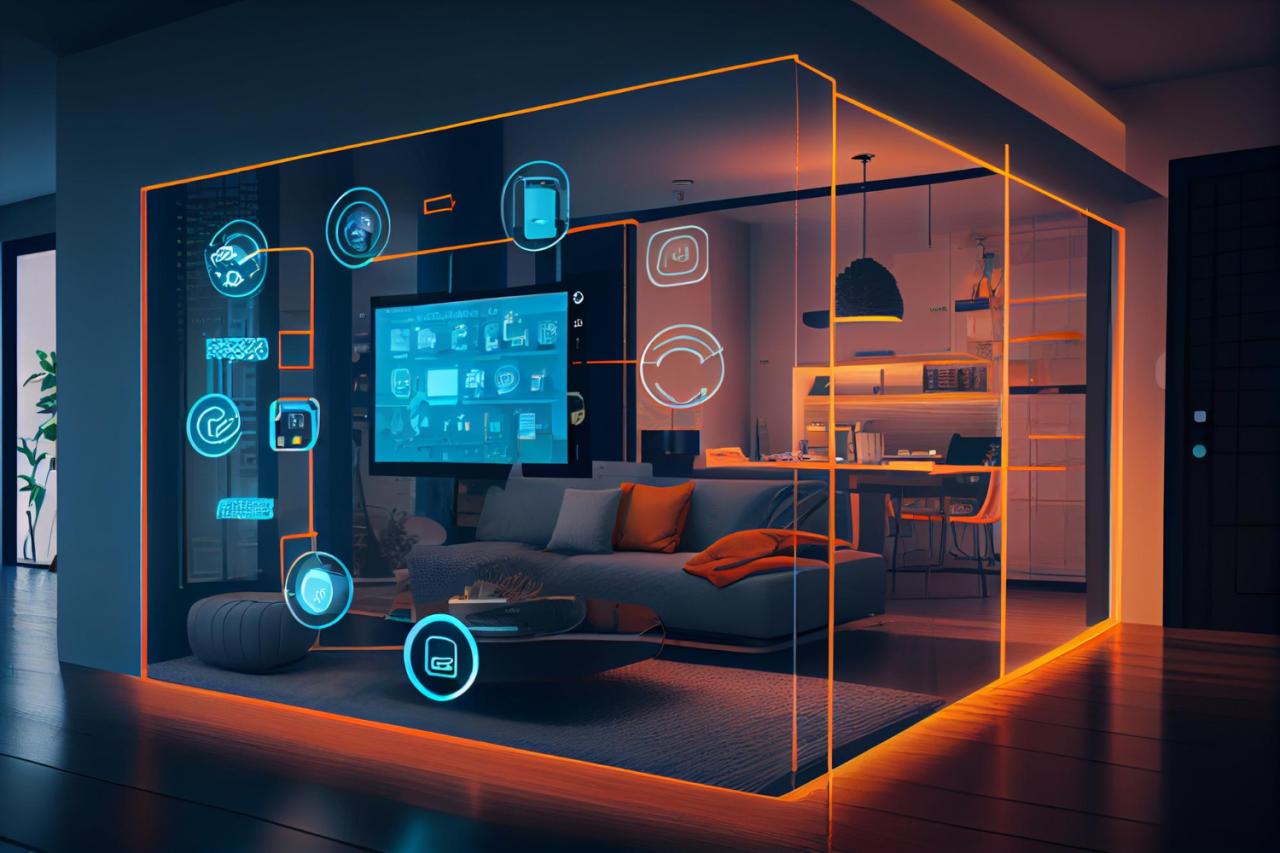
The living room, often the heart of the home, deserves careful consideration when implementing smart home technology. Strategic planning ensures seamless integration and maximizes the benefits of smart devices while maintaining a comfortable and aesthetically pleasing environment. This section explores the key aspects of smart living room design, from selecting the right technology to creating a cohesive and safe system.Smart home technology offers a wide range of options for enhancing the living room experience.
From automating lighting and audio to integrating entertainment systems, these options can streamline daily tasks and create a more personalized and enjoyable space. Careful planning and consideration of the various components are essential to ensure that the technology seamlessly blends with the existing décor and functionality of the room.
Smart Technology Options for Living Rooms
Smart technology in living rooms encompasses a broad spectrum of options, ranging from lighting and audio to entertainment and security systems. These devices can be integrated to create a sophisticated and automated environment. Key areas of focus include smart lighting, audio, and entertainment systems.
Smart Lighting
Smart lighting systems offer significant advantages for living rooms. They allow for customized ambiance and energy efficiency. Dimmable lights, color-changing options, and automated schedules can create a range of moods and settings, from relaxing evenings to lively parties.
- Energy Efficiency: Smart lighting systems can be programmed to automatically adjust brightness and turn off lights when not needed, resulting in significant energy savings.
- Customization: Color-changing lights enable users to create unique atmospheres. From warm, inviting tones to vibrant hues, these lights can be adjusted to suit any occasion.
- Integration with other smart devices: Many smart lighting systems can be controlled through voice assistants or other smart home platforms, enhancing convenience and control.
Smart Audio
Smart audio systems enhance the entertainment experience in living rooms. Streaming services, voice control, and multi-room audio capabilities provide versatility and flexibility.
- Streaming Services: Integrating smart speakers or soundbars with streaming services such as Spotify or Apple Music provides seamless access to music libraries.
- Voice Control: Voice assistants can control volume, change tracks, and adjust settings, enhancing user convenience.
- Multi-Room Audio: These systems allow for synchronized audio playback across multiple speakers in different rooms, expanding the scope of sound and entertainment.
Smart Entertainment Systems
Smart entertainment systems seamlessly integrate with smart lighting and audio. This allows for a more cohesive and controlled environment.
- Streaming Devices: Smart TVs and streaming devices can be controlled remotely or through voice commands.
- Home Theater Systems: These systems can be programmed to automatically adjust audio and visual settings for optimal viewing experiences.
- Gaming Consoles: Smart integration can streamline gaming experiences, connecting consoles to other smart devices for improved control and access.
Smart Home Platforms for Living Room Control
Different smart home platforms offer various features and functionalities. Choosing the right platform depends on individual needs and existing devices.
Comparison of Smart Home Platforms
Different smart home platforms offer varying levels of control and compatibility.
- Amazon Alexa: Strong voice control and integration with a wide range of devices.
- Google Assistant: Strong voice control and integration with a wide range of devices, often complementary to existing Google services.
- Apple HomeKit: Focuses on seamless integration with Apple products, providing a cohesive ecosystem.
Pros and Cons of Smart Home Devices
Smart home devices offer advantages in terms of convenience and automation, but also have potential drawbacks.
- Pros: Convenience, energy efficiency, security features, and customization capabilities.
- Cons: Potential privacy concerns, cost, and complexity of installation.
Creating a Mood Board for a Smart Living Room
A mood board helps visualize the desired aesthetic and functionality of the smart living room.
- Gather Inspiration: Collect images, color palettes, and textures that represent the desired ambiance.
- Select Smart Devices: Include images of the smart devices that will be incorporated.
- Arrange Elements: Visually arrange the elements on the board to create a cohesive design.
Safety Considerations
Implementing smart home technology requires careful consideration of safety.
- Security: Ensure that devices are secured and protected from unauthorized access.
- Electrical Safety: Adhere to electrical safety guidelines when installing and using smart devices.
- Compatibility: Verify compatibility between different smart devices and systems to avoid conflicts.
Smart Lighting Options
The following table Artikels various smart lighting options and their features.
| Smart Lighting Option | Features |
|---|---|
| Philips Hue | Color-changing, adjustable brightness, voice control, scheduling, and integration with other smart home platforms. |
| LIFX | Color-changing, wide range of bulbs, voice control, and energy-efficient options. |
| Smart Bulbs from other brands | Varying degrees of features, including dimming, color temperature adjustment, and voice control, often at different price points. |
Planning the Kitchen
Transforming your kitchen into a smart haven involves thoughtful consideration of various features and technologies. A well-planned smart kitchen enhances efficiency, convenience, and overall enjoyment of this crucial space. From streamlined appliance integration to automated tasks, the potential for a smarter kitchen is vast.Smart kitchens are no longer a futuristic concept; they are rapidly becoming a reality for many homeowners.
Smart technology, seamlessly integrated into the kitchen design, can dramatically improve daily routines and make meal preparation and cleanup more enjoyable. Careful planning ensures that these features work harmoniously, maximizing the benefits of a smart kitchen.
Key Smart Features in a Kitchen
Smart features extend beyond just appliances, encompassing the entire kitchen ecosystem. Key features include automated lighting, integrated sensors for inventory tracking, and even voice-activated control systems for complete control over various functions. These features not only enhance convenience but also improve safety and energy efficiency.
Smart Appliances and Kitchen Design Integration
Smart appliances are at the heart of a smart kitchen. They offer unparalleled control and efficiency, transforming how meals are prepared and managed. Integrating these appliances seamlessly into the kitchen’s design is crucial for maximizing functionality and aesthetics. Consider appliance placement to facilitate workflow and minimize movement during cooking or cleaning.
Examples of Smart Kitchen Gadgets and Functionalities
Numerous smart gadgets enhance kitchen tasks. Smart refrigerators with inventory tracking and recipe suggestions streamline meal planning. Smart ovens provide precise temperature control and cooking times, ensuring perfect results every time. Smart dishwashers offer customized cycles and energy-saving options. Connected coffee makers enable pre-programmed brewing schedules, eliminating the need for manual intervention.
Automating Kitchen Tasks Using Smart Technology
Automation is a cornerstone of smart kitchens. Tasks like preheating ovens, adjusting lighting based on the time of day, and controlling appliance settings remotely can be fully automated. This frees up valuable time and allows for more focused attention on other activities. Smart technology can also provide alerts when specific conditions are met, such as low stock levels in the refrigerator or when the dishwasher is full.
Smart Kitchen Controls and Benefits
Voice-activated controls, touchscreens, and smartphone apps are some of the key smart kitchen control options. These allow for easy management of various appliances and functions. Voice controls provide hands-free operation, while touchscreens offer visual access to multiple settings and options. Smart apps enable remote control and monitoring, allowing for adjustments and management from anywhere. The convenience and efficiency gains are significant.
Comparison of Smart Kitchen Platforms
Different smart home platforms offer various integration capabilities. Consider factors like compatibility with other smart home devices and the breadth of supported appliances. Understanding the strengths and weaknesses of each platform is crucial for optimal kitchen design. Some platforms offer more comprehensive integration with other smart home devices, while others may be more focused on specific kitchen appliances.
Comparison of Smart Appliance Brands and Features
| Brand | Key Features | Appliance Types | Platform Compatibility |
|---|---|---|---|
| Samsung | Smart features, intuitive interface, large selection of appliances | Refrigerators, ovens, dishwashers, washing machines | Amazon Alexa, Google Assistant |
| LG | Advanced AI capabilities, integrated smart displays | Refrigerators, ovens, dishwashers | Amazon Alexa, Google Assistant |
| Whirlpool | Wide range of smart appliances, user-friendly design | Refrigerators, ovens, dishwashers | Amazon Alexa, Google Assistant |
| Bosch | High-end features, precision controls, durable construction | Ovens, dishwashers, cooktops | Amazon Alexa, Google Assistant |
Planning the Bedroom
Transforming your bedroom into a smart haven involves carefully considering lighting, temperature control, security, and automation. Smart technology can enhance comfort, personalize the space, and even improve sleep quality. This section details the strategic integration of smart home devices within the bedroom environment.Smart technology offers the potential to create a truly personalized and relaxing bedroom experience. By strategically incorporating smart lighting, temperature control, and security systems, combined with the capabilities of smart assistants and automation, bedrooms can become more than just a place to sleep; they can become a sanctuary.
Smart Lighting for Enhanced Sleep and Mood
Smart lighting systems in bedrooms allow for customized lighting scenarios, optimizing the environment for various activities. Dimmable LED lights can be programmed to gradually dim the lights before bedtime, promoting a more relaxing atmosphere and encouraging sleep. Additionally, different color temperatures can be adjusted throughout the day to mimic natural light patterns, potentially boosting energy levels in the morning and creating a calming ambience in the evening.
Furthermore, smart lighting can be integrated with smart assistants, enabling voice control for adjusting brightness and color temperatures, adding a layer of convenience.
Temperature Control for Optimal Comfort
Smart thermostats offer precise temperature control, enabling personalized settings for optimal comfort and potentially energy efficiency. These systems can be programmed to adjust temperatures based on schedules, occupancy sensors, or even weather conditions. For example, the system can automatically lower the temperature when the occupants leave the room and return it to the desired setting upon their return.
This not only creates a more comfortable experience but can also contribute to cost savings.
Smart Security Systems for Peace of Mind
Integrating smart security systems in the bedroom enhances both safety and peace of mind. Motion sensors can detect any unauthorized activity and instantly alert occupants. Smart locks can be controlled remotely, allowing for secure entry and exit even when not physically present. These systems can be integrated with smart assistants for voice-activated access control.
Smart Assistants and Automation for Convenience
Smart assistants, like Amazon Alexa or Google Assistant, are powerful tools for automating various bedroom functions. These assistants can control lighting, temperature, and security systems through voice commands. For example, you can set the lights to dim and the temperature to drop as you say “goodnight.” This level of automation creates a more streamlined and user-friendly experience.
Privacy and Security in Smart Bedroom Design
Privacy is paramount in any bedroom, and smart home design must prioritize safeguarding personal information. Choosing devices with robust security features is essential. This includes encryption protocols and secure cloud storage for data. Furthermore, clear privacy settings and user controls are crucial to prevent unauthorized access or data breaches.
Smart Devices Enhancing Sleep Quality and Comfort
Smart home devices can significantly enhance sleep quality and comfort. For example, smart humidifiers can regulate humidity levels, promoting a healthier sleep environment. Smart fans can provide personalized airflow, helping maintain a comfortable temperature. Additionally, smart pillows and mattresses can track sleep patterns and provide insights to improve sleep quality.
Creating a Relaxing and Personalized Smart Bedroom Experience
A personalized smart bedroom experience requires careful consideration of individual preferences. This includes choosing devices that align with your needs and lifestyle. Customization options within smart devices allow for tailoring the experience to match individual preferences. For example, integrating music systems with smart lighting and temperature controls can create a personalized atmosphere for relaxation.
Smart Home Devices for Temperature Regulation in Bedrooms
| Device Type | Description | Example ||—|—|—|| Smart Thermostat | Allows for precise temperature control, programmable schedules, and integration with other smart devices. | Nest Learning Thermostat || Smart Radiator Valves | Control the temperature of radiators, often used in combination with a smart thermostat for precise temperature control. | Hive Active Heating || Smart Fan | Creates airflow to help maintain a comfortable temperature and circulate air.
| Dyson Pure Cool Link || Smart Humidifier | Adjusts humidity levels to optimize sleep comfort. | Levoit Smart Humidifier |
Planning the Bathroom
Transforming your bathroom into a smart haven can enhance both convenience and efficiency. Smart technologies seamlessly integrate with existing infrastructure, offering a sophisticated and user-friendly experience. By strategically implementing smart devices, you can personalize your bathroom routine and create a space tailored to your specific needs.
Benefits of Smart Technology in Bathrooms
Smart bathroom technologies provide numerous advantages. These include increased comfort, enhanced safety, and improved water conservation. The ability to automate routine tasks and control various aspects of the space from a central point elevates the user experience and simplifies daily life. The incorporation of smart devices also allows for better management of water consumption, contributing to a more sustainable lifestyle.
Smart Lighting and Water-Saving Features
Smart lighting systems in bathrooms offer significant advantages. Adjustable brightness and color temperature settings allow users to personalize the ambiance to suit their preferences. These systems can be programmed to automatically adjust based on time of day or presence, enhancing energy efficiency. Furthermore, integrated water-saving features, such as smart faucets and toilets, can reduce water usage significantly.
By employing these technologies, individuals can contribute to environmental sustainability while simultaneously lowering their water bills.
Smart Mirrors and Automated Faucets
Smart mirrors, equipped with touchscreens and connectivity options, offer a range of functionalities. These mirrors can display the time, weather forecasts, or even stream entertainment content. They can also incorporate health and wellness features, such as fitness tracking or medication reminders. Automated faucets, controlled by sensors or touchless activation, contribute to improved hygiene and water conservation. Their automatic shutoff feature minimizes water waste and reduces the risk of accidental water use.
Smart Bathroom Automation
Smart bathroom automation simplifies and streamlines various tasks. By integrating different smart devices, users can automate functions like turning on lights, adjusting temperature, or activating other features based on their presence or schedule. This level of automation can significantly improve convenience and enhance the overall bathroom experience. The seamless integration of devices enhances the user experience, allowing for personalized settings and automated responses.
Examples of Smart Home Devices for Bathroom Convenience
Numerous smart home devices enhance bathroom convenience. These include smart showerheads that provide adjustable water pressure and temperature, smart toilets with advanced flushing systems, and smart bathrobes that provide heating and comfort. These technologies streamline bathroom routines, ensuring a personalized and enjoyable experience. The array of available devices caters to diverse needs and preferences, enabling users to tailor their bathroom to specific requirements.
Comparison of Smart Toilet Features
| Feature | Description | Benefits |
|---|---|---|
| Smart Flushing | Automated flushing based on sensor detection or user input. | Reduces water usage, improves hygiene, and provides user convenience. |
| Self-Cleaning | Automatic cleaning of the toilet bowl. | Maintains hygiene and cleanliness, reducing the need for manual cleaning. |
| Night Light/Ambient Lighting | Integrated lighting for night use or to enhance ambiance. | Increases safety and enhances the aesthetic appeal of the bathroom. |
| Seat Heating | Provides heated seats for user comfort. | Enhances user experience, especially during colder months. |
| Voice Control | Allows control of the toilet functions using voice commands. | Improves accessibility and convenience, allowing hands-free operation. |
Planning the Office
A well-designed smart home office enhances productivity and streamlines workflow. Integrating smart technology allows for greater control over the environment, fostering a more focused and efficient work space. This section delves into the essential smart features for a modern home office, from lighting and temperature control to communication and security.
Essential Smart Features for an Office
Smart features in a home office encompass more than just convenience; they are integral to productivity and organization. Automated systems, for example, can optimize lighting, temperature, and even adjust the environment based on user preferences. This automation translates to increased efficiency and a more comfortable work experience.
Smart Lighting and Temperature Control
Smart lighting and temperature control are crucial for optimizing a home office environment. Dimmable LED lights with adjustable color temperatures can be set to match the task or time of day, reducing eye strain and promoting focus. Integrated smart thermostats allow for precise temperature control, preventing energy waste and optimizing comfort. These smart systems are easily integrated with other smart home devices, creating a seamless and intuitive experience.
Smart Devices for Productivity and Organization
Numerous smart devices facilitate a more organized and productive work environment. Smart calendars and scheduling apps can be integrated with other devices to manage appointments, deadlines, and tasks. Smart speakers enable hands-free communication and access to information. Smart displays can serve as a central hub for notifications, reminders, and task management. Such integration streamlines workflow, promoting efficiency and reducing the risk of missed deadlines.
Integration for Better Communication and Collaboration
Smart devices facilitate seamless communication and collaboration. Video conferencing tools integrated with smart displays can create a virtual meeting space that feels just as professional as a traditional office. Smart speakers enable hands-free communication, while instant messaging apps can be integrated with smart home devices for real-time updates and notifications. This integration creates a more collaborative and efficient work environment.
Security and Privacy in a Smart Home Office
Security and privacy are paramount in a smart home office. Robust security protocols and strong passwords are essential to protect sensitive data and prevent unauthorized access. Smart security cameras and motion sensors can provide an extra layer of protection, alerting users to any potential intrusions. Users should also be mindful of data privacy concerns and ensure that any smart device they use adheres to strict privacy policies.
This awareness is crucial for maintaining a secure and confidential work environment.
Smart Home Devices for Remote Work
| Device Category | Device Example | Benefit for Remote Work |
|---|---|---|
| Communication | Smart speaker with video conferencing capabilities | Facilitates seamless video calls and meetings, enabling clear communication with colleagues and clients. |
| Productivity | Smart calendar and scheduling app integrated with smart display | Provides a central hub for managing appointments, deadlines, and tasks, ensuring a well-organized and efficient workflow. |
| Organization | Smart filing cabinet/storage | Streamlines document organization, facilitating quick retrieval of files and information. |
| Lighting/Temperature | Smart thermostat and adjustable LED lights | Creates a comfortable and focused environment, optimizing work conditions and potentially reducing stress and fatigue. |
| Security | Smart security cameras with motion sensors | Provides enhanced security and alerts users to any potential intrusions or suspicious activities. |
Smart Home Integration and Control
A well-integrated smart home system seamlessly controls various devices, optimizing energy use and enhancing convenience. This section details methods for integrating devices from different manufacturers, the importance of a central control system, and practical ways to maintain and troubleshoot your smart home.Smart home systems offer the potential to automate tasks, improve energy efficiency, and enhance security. A key aspect of realizing these benefits is a comprehensive understanding of how to integrate and control these systems effectively.
Methods for Integrating Smart Devices
Integrating smart devices from diverse manufacturers requires careful consideration of compatibility and interoperability. Manufacturers often provide APIs (Application Programming Interfaces) to allow seamless integration. These APIs allow different smart home systems to communicate with each other, providing a more comprehensive control experience. Third-party integration platforms are also available to bridge the gap between various smart home ecosystems.
Importance of a Central Control System
A central control system is crucial for managing and monitoring all smart devices in a home. It provides a unified interface for controlling lighting, temperature, security, and other functions. Without a central system, managing multiple apps for different devices can be cumbersome and inefficient. Centralized control enhances the user experience by streamlining operations.
Options for Controlling Smart Home Devices
Smart home devices can be controlled through various interfaces, including mobile apps, voice assistants, and smart hubs. Mobile apps provide granular control over individual devices and allow users to create custom routines. Voice assistants like Amazon Alexa and Google Assistant enable hands-free control of smart devices through voice commands. Smart hubs, such as SmartThings or Wink, act as a central command center for managing various devices from a single platform.
Best Practices for Maintaining and Troubleshooting Smart Home Systems
Maintaining a smart home system involves regular updates to software and firmware for optimal performance and security. Troubleshooting issues typically involves checking device connectivity, verifying network settings, and ensuring sufficient power. Comprehensive documentation from manufacturers can be extremely helpful when diagnosing problems. Maintaining a log of recent changes and troubleshooting steps can also aid in the identification of problems.
Optimizing Energy Efficiency in a Smart Home
Smart home systems can significantly improve energy efficiency by automating responses to environmental conditions. For instance, smart thermostats can adjust temperatures based on occupancy and external weather, reducing energy consumption. Smart lighting systems can automatically dim or turn off lights when not needed. Smart plugs can monitor and control the power consumption of individual appliances. Smart home automation allows homeowners to create schedules and routines that optimize energy usage.
Examples of Smart Home Control Systems
The following table provides a concise overview of different smart home control systems.
| Control System | Key Features | Example Devices |
|---|---|---|
| Amazon Alexa | Voice-activated control, integration with various devices | Echo Dot, Echo Show |
| Google Assistant | Voice-activated control, integration with various devices | Google Nest Hub, Google Home Mini |
| Apple HomeKit | Centralized control system, integration with Apple devices | HomePod, Apple TV |
| SmartThings | Centralized hub, integration with various devices, extensive customization | SmartThings Hub |
| Samsung SmartThings | Comprehensive control platform, device integration, advanced automation | Samsung SmartThings Hub |
Budget and Planning Considerations
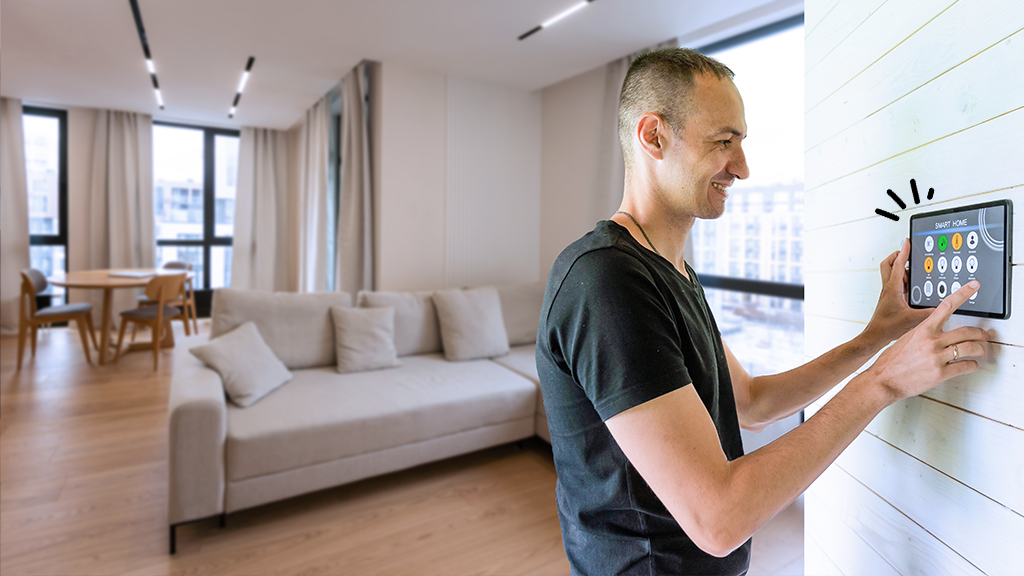
Smart home installations can significantly enhance the comfort and convenience of your living space, but careful budgeting and planning are crucial to avoid unforeseen expenses and ensure a positive return on investment. This section provides a comprehensive guide to estimating costs, evaluating ROI, and prioritizing upgrades based on your budget and needs. Understanding the diverse range of smart home solutions and their associated pricing is also essential for making informed decisions.Effective smart home planning involves more than just selecting attractive devices; it demands a thoughtful approach to balancing desired features with realistic financial expectations.
This includes understanding the varying costs of different solutions and prioritizing upgrades based on their value and impact on your lifestyle.
Estimating Smart Home Installation Costs
Accurate cost estimation is vital for effective budgeting. Factors like the complexity of the installation, the specific devices chosen, and the labor costs associated with professional installation significantly impact the total expenditure. Detailed research and comparisons between different vendors are recommended. A breakdown of these factors can aid in precise budgeting.
Return on Investment (ROI) of Smart Home Upgrades
The return on investment (ROI) of smart home upgrades varies based on several factors, including the specific upgrades implemented, the energy efficiency gains, and the perceived convenience. A key aspect of ROI analysis is the ability to quantify cost savings in areas like energy consumption or the reduction of manual tasks. Consider the long-term benefits alongside the initial investment to assess the overall ROI.
For example, smart thermostats can save money on energy bills, while smart lighting systems can reduce electricity consumption. The ROI is typically calculated over time.
Prioritizing Smart Home Upgrades Based on Budget and Needs
Prioritize smart home upgrades based on your budget and the features that best suit your lifestyle and needs. This involves assessing the immediate value and long-term impact of each upgrade. Start with the features that offer the highest return on investment or the most significant impact on your daily life. For instance, a smart thermostat might be a higher priority than a smart doorbell if energy savings are a primary concern.
Choosing the Right Smart Home Devices for Your Budget
Careful selection of smart home devices is crucial for aligning features with budget constraints. Compare different device options, features, and functionalities to find the most suitable solutions for your specific needs. Consider purchasing a combination of devices that meet basic needs while providing opportunities for future expansion. A tiered approach, starting with essential features and adding more sophisticated components as the budget allows, is often a smart strategy.
Comparing the Cost of Various Smart Home Solutions
Different smart home solutions vary significantly in price. Consider the cost of hardware, software subscriptions, and installation services when evaluating various options. Compare different brands, models, and functionalities to find the best value for your money. Evaluate the long-term cost of ownership, including maintenance and potential future upgrades.
Sample Budget for Smart Home Installations
The following table Artikels a sample budget for different smart home installations, illustrating the variability in costs. These figures are approximate and can vary based on the specific devices, installation complexity, and geographic location.
| Smart Home Feature | Estimated Budget (USD) | Description |
|---|---|---|
| Smart Lighting (5 rooms) | $500 – $1500 | Includes smart bulbs, switches, and control system. |
| Smart Thermostat | $150 – $300 | Includes device and installation. |
| Smart Security System (basic) | $300 – $800 | Includes cameras, sensors, and control panel. |
| Smart Doorbell | $100 – $300 | Includes camera and notification system. |
| Smart Speaker/Assistant | $50 – $250 | Includes device and associated app access. |
| Smart Appliances (Refrigerator, Oven) | $500 – $2000+ | Includes integration and installation for appliances. |
| Professional Installation | $500 – $2000+ | Covers labor costs and configuration. |
Last Point
In conclusion, “How to Plan Your Smart Home Room by Room” offers a structured approach to achieving your smart home aspirations. By carefully considering each room’s unique needs and leveraging the appropriate smart technology, you can create a personalized and efficient living space. This guide emphasizes the importance of careful planning, thoughtful budgeting, and the seamless integration of various smart devices, ultimately helping you create a truly intelligent and personalized home environment.